

Last Updated on June 24, 2026 by Joy Editors
Wedding Hair and Makeup: Your Complete Guide to Looking Your Best
Wedding hair and makeup should help you feel like the most polished version of yourself, not like someone else. The essentials are simple: book experienced artists early, schedule a trial, choose a style that suits your venue and comfort level, build enough time into the morning, and prepare a small touch-up kit for photos, hugs, happy tears, and dancing.
Begin researching beauty pros 9 to 12 months before the wedding, schedule trials 2 to 4 months out, and finalize the day-of timeline about a month before.
This guide covers wedding hair and makeup costs, booking timelines, artist questions, style ideas, day-of tips, and a live Getting Ready Timeline Calculator. Use it as your planning hub, then keep your final beauty schedule somewhere easy to share, such as your wedding website or wedding party group chat.
What to Know About Wedding Hair and Makeup
The best wedding hair and makeup plan balances your personal style, your event setting, and how the look will photograph. A beach ceremony may need humidity planning, while a black-tie ballroom wedding may call for a more structured finish.
Start by deciding how you want to feel in your photos. Some people want a soft, romantic look with loose waves and natural makeup. Others want full glam with sculpted eyes, long-wear foundation, and a dramatic updo. Neither is more bridal than the other. The right choice is the one that feels comfortable, lasts through the day, and fits your outfit, venue, and celebration style.
Decide who is receiving professional services early. You may book only yourself, cover services for your wedding party, or let attendants opt in and pay for their own appointments. Your guest list and wedding party count can affect the getting-ready room, artist count, and schedule.
Quick rule: if more than four people need hair or makeup, ask whether your lead artist can bring an assistant. Two artists can often keep the morning relaxed, while one artist may need a very early start.
How Much Does Wedding Hair and Makeup Cost?
Wedding hair and makeup pricing varies by region, artist experience, travel, wedding date, and whether you choose traditional makeup or airbrush. Major metro areas and peak-season Saturdays usually cost more.
| Service | Typical cost | What affects the price |
|---|---|---|
| Bride’s hair | $150 to $600 | Style complexity, extensions, veil placement, artist experience, travel, and touch-up coverage. |
| Bride’s makeup | $100 to $400 | Traditional versus airbrush, lashes, skin prep, products used, and artist experience. |
| Bridal party hair or makeup | $75 to $200 per person | Number of people, service type, assistant fees, and location. |
| Trials | $100 to $250 each | Separate hair and makeup trials, additional looks, travel to the trial, and weekend availability. |
Remember to budget for travel fees, parking, early start fees, extra artists, false lashes, clip-in extension placement, tattoo coverage, and gratuity. If you are unsure how much to tip, review a current wedding vendor tipping guide before finalizing envelopes or digital payments.
If attendants are paying for themselves, communicate the exact service cost, payment deadline, and cancellation rules before final counts are due.
Wedding Hair and Makeup Timeline: When to Book, Trials, and Day-Of Schedule
Popular artists can book a year in advance, especially for peak-season Saturdays. If beauty is a priority, begin searching soon after you book your venue.
9 to 12 months before the wedding
Research artists, review portfolios, compare pricing, and confirm availability. For destination weddings, ask your planner, venue, photographer, and local wedding groups for recommendations.
4 to 6 months before the wedding
Book your trial around a dress fitting, engagement session, shower, or date night. Bring inspiration photos and photos of yourself when you felt beautiful.
1 to 2 months before the wedding
Finalize the service list, artist count, getting-ready address, and photography start time. This is also a good time to collect final details through your online RSVP, since transportation and room assignments may depend on confirmed numbers.
Wedding week
Prep your hair according to your stylist’s instructions. Avoid new facials, peels, hair color, brow shapes, and self-tanner formulas close to the wedding. Confirm arrival times, parking, payment, and prep instructions.
How to Find and Hire a Wedding Hair and Makeup Artist
Start with portfolios, but do not stop there. A beautiful Instagram grid shows style, while reviews and contracts show professionalism. Search venue vendor lists, photographer referrals, planner recommendations, local wedding groups, beauty directories, and tagged real weddings. Look for artists who show work on people with similar hair texture, skin tone, and preferred level of glam.
When you inquire, share your date, getting-ready location, ceremony time, number of services, and whether you need touch-ups after photos. Artists can give more accurate quotes when they know the full scope. If you are still building your vendor team, this wedding vendor guide can help you compare contracts, communication, and booking steps across categories.
Questions to ask before booking
- Are you available on my wedding date, and can you travel to my getting-ready location?
- How many services can you complete by my photography start time?
- Will you bring an assistant if the schedule requires one?
- What is included in the bride’s hair and makeup price?
- Do you offer trials, touch-ups, or a second look for the reception?
- Which products do you use for sensitive skin, textured hair, humidity, or long-wear needs?
- What are your deposit, cancellation, and rescheduling policies?
What the contract should include
Your contract should list the date, arrival time, location, services, prices, assistant fees, travel fees, trial cost, deposit amount, final payment date, cancellation terms, and what happens if the artist becomes unavailable. It should also clarify whether gratuity is included, whether you are allowed to adjust the service count, and when final headcounts are due.
Red flags to watch for
Be cautious if an artist will not provide a contract, avoids clear pricing, cannot explain timing, ignores your hair or skin needs, or pressures you to book before answering basic questions. Slow communication can also be a warning sign.
Wedding Hair Ideas and Trends
Wedding hair trends favor polished texture, personal accessories, and styles that look elegant from every angle. Choose based on your dress neckline, veil, hair texture, weather, and comfort.
Updos
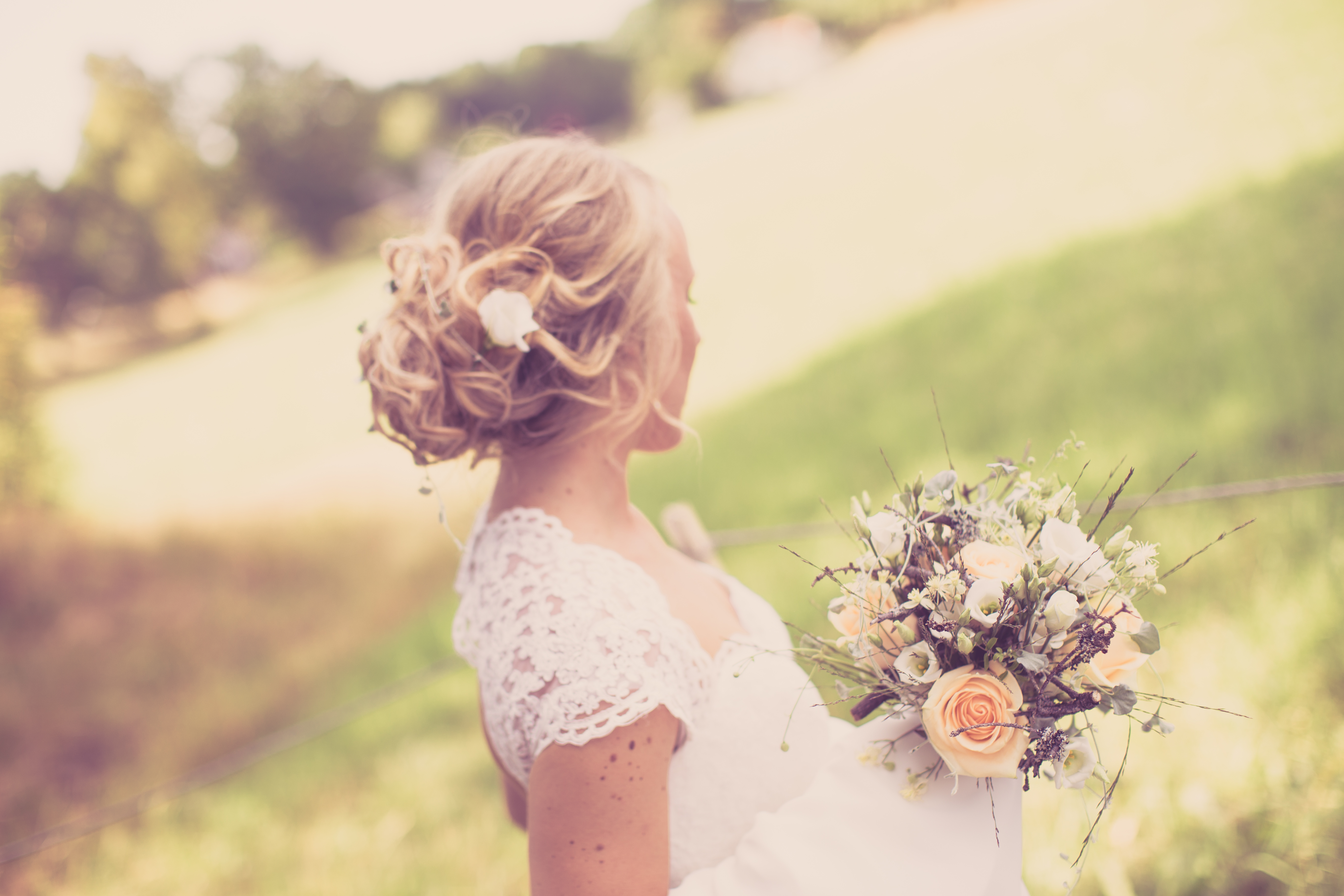
Low buns, twisted chignons, sculpted knots, and soft French twists are timeless. Updos stay secure in wind or heat and show off dress details. Add softness around the face for a romantic finish.
Half-up styles
Half-up wedding hair gives structure at the crown while keeping length visible. It works well with veils, floral pins, pearls, and waves, especially if you want hair down with more security.
Loose waves
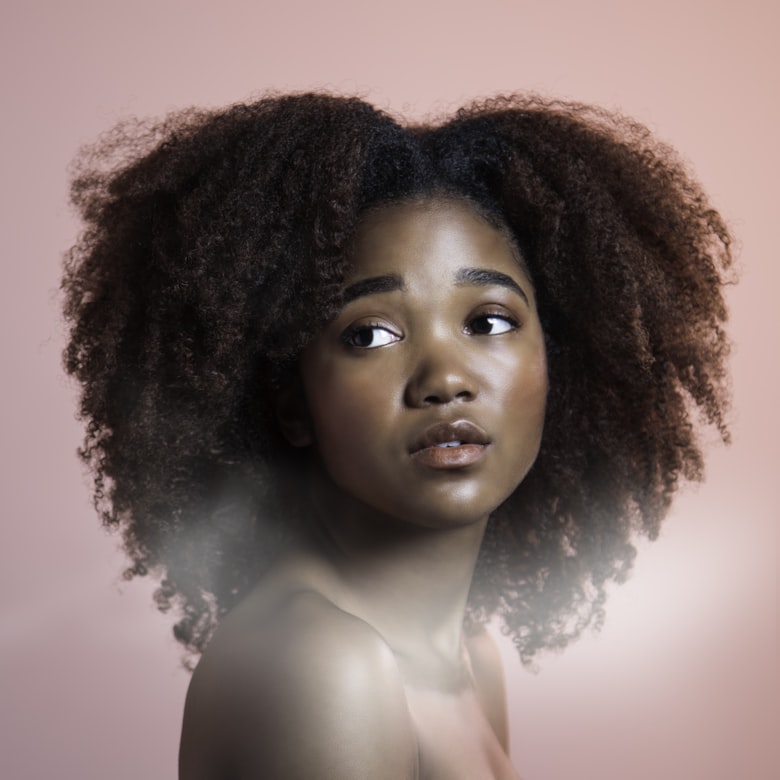
Hollywood waves, brushed-out curls, and lived-in waves photograph beautifully. Hair may need extensions, volumizing products, pin curls, or a stronger set, so ask how the look will hold for hours.

Braids and textured details
Braids add dimension to updos, crowns, ponytails, and half-up styles. They work especially well for outdoor, garden, beach, and bohemian weddings.
Accessories
Veils, combs, bows, pearls, fresh flowers, crystal pins, and headbands can change the mood of a hairstyle. Bring every accessory to your trial so your stylist can test placement.
Wedding Makeup Styles
Wedding makeup should look beautiful in person and in photos. That usually means slightly more definition than everyday makeup, even for a natural look. Cameras can soften features, so your artist may add more blush, lash definition, or powder than you expect.
Natural and soft glam
Natural bridal makeup focuses on fresh skin, soft eyes, defined lashes, groomed brows, and a lip color close to your own tone. Soft glam adds more polish with glowing skin, neutral shadows, subtle contour, and a balanced lip. This is one of the most requested wedding looks because it feels elevated without feeling heavy.
Full glam
Full glam often includes fuller coverage, stronger contour, dramatic lashes, defined liner, shimmer, and a more sculpted finish. It works especially well for formal venues, evening ceremonies, cultural celebrations, and anyone who already loves makeup. If you rarely wear makeup, test full glam at your trial before committing.
Editorial or fashion-forward makeup
Editorial makeup might include a bold lip, graphic liner, glossy lids, monochromatic color, or a clean minimal face with one strong feature. This can be stunning when it reflects your personal style. Keep the rest of the styling intentional so the look feels cohesive.
DIY wedding makeup tips
DIY can work if you practice and choose long-wear products. Photograph your look in natural light, indoor light, and flash. Wear it for a full day to test shine, transfer, dryness, creasing, and lip touch-ups.
Day-Of Getting Ready Tips
A smooth getting-ready morning starts with the room. Choose a space with natural light, outlets, chairs, mirrors, a tool table, and room for your photographer. Keep bags, food, and extra clothes in one area.
Ask everyone receiving services to arrive on time with the correct prep. Hair should usually be clean and dry unless your stylist says otherwise. Skin should be clean and moisturized. Button-down shirts, robes, or wide-neck tops help protect finished looks.
The order of operations matters. The bride should usually be last or close to last for final polish, which keeps makeup fresh and gives the stylist time to secure the veil. Schedule mothers, complex styles, and anyone needed early for photos with intention.
Prepare a touch-up kit with blotting papers, pressed powder, lip color, lash glue, cotton swabs, tissues, bobby pins, mini hairspray, a comb, fashion tape, safety pins, stain remover, and pain reliever.
For photo-friendly makeup, be careful with SPF flashback, especially with mineral SPF and certain powders. Sunscreen is important for outdoor events, but test your full face with flash photography before the wedding day.
Free planning tool
Getting Ready Timeline Calculator
Enter your ceremony time, beauty service count, and travel details to create a personalized wedding morning timeline. Hair and makeup run in parallel, and the bride is scheduled last for both services.
Your getting-ready timeline
This schedule works backward from your ceremony time. If your photographer needs more detail photos, flat lays, robe photos, or family portraits, add extra buffer.
Tip: share this draft with your hair artist, makeup artist, photographer, planner, and transportation contact before you finalize the morning schedule.
How to Use the Getting Ready Timeline Calculator
The calculator estimates when beauty services should begin based on your ceremony time. It assumes one hair artist and one makeup artist working at the same time. The bride is placed last for both services so the finished look is fresh for portraits.
If your timeline feels too early, add an assistant artist, reduce the service count, move photos later, or get ready closer to the venue. Do not remove buffer entirely. Wedding mornings need room for steaming outfits, eating, restroom breaks, vendor arrivals, and emotional moments.
Wedding Hair and Makeup FAQ
When should I book wedding hair and makeup?
Book wedding hair and makeup 9 to 12 months before the wedding if you are getting married during a popular season or in a major metro area. For smaller weddings or flexible dates, 6 to 9 months may be enough, but earlier booking gives you better artist availability.
Should I do a hair and makeup trial?
Yes, a trial is strongly recommended. It lets you test the look, timing, products, veil placement, accessories, and comfort level before the wedding day. Bring inspiration photos, accessory options, and honest feedback so your artist can adjust the look.
Who pays for bridesmaid hair and makeup?
There is no single rule. If you require a specific professional look, it is considerate to pay. If services are optional, attendants can usually pay for themselves. Communicate the cost, deadline, and expectations clearly before anyone commits.
Should hair or makeup come first?
Either can come first, and the best order depends on your artist team and hairstyle. Many timelines rotate people through hair and makeup at the same time. The bride is often scheduled near the end so final polish happens close to photos.
How can I make wedding makeup last all day?
Start with skin prep, use long-wear products, apply thin layers, choose waterproof mascara, set strategically with powder, and finish with setting spray. Keep blotting papers and lip color nearby for touch-ups. Avoid testing new skincare or base products on the wedding day.
Can I do my own wedding hair and makeup?
Yes, DIY wedding hair and makeup can work if you practice, test the look in photos, and choose styles you can repeat under time pressure. Keep the look realistic, invest in reliable products, and create a written step-by-step routine for the morning.
Final Thoughts
Wedding hair and makeup is not about covering yourself up. It is about choosing a look that feels true to you, holds up through a long day, and lets you focus on the people around you. With the right artist, a clear contract, a realistic timeline, and a few smart day-of preparations, your beauty plan can feel calm instead of complicated.
Start with your desired look, confirm your budget, book trusted professionals, and build a timeline that gives everyone breathing room. Then let the morning be what it should be: a meaningful, joyful start to the celebration.
