

Last Updated on July 7, 2026 by Joy Editors
A beautiful wedding does not require a massive budget. With the average wedding in 2026 costing $34,200, many couples are looking for practical ways to reduce spending without making their day feel cheap. These 30 ideas target the categories where couples overspend the most: venue, food, decor, attire, and stationery.
Venue and Date Savings
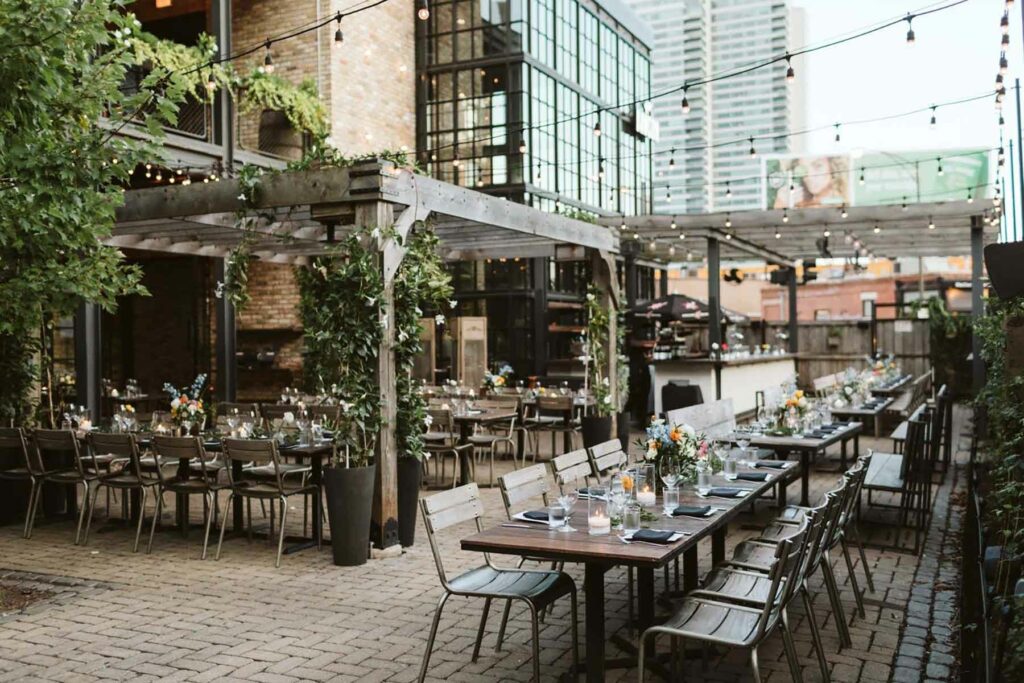
The venue is the single largest wedding expense, averaging 18 to 22 percent of the total budget. These strategies can cut that number significantly.
- Choose a non-traditional venue. Public parks, community centers, libraries, and restaurant private dining rooms cost a fraction of dedicated event spaces. Many allow outside catering, which adds flexibility.
- Book an off-peak date. Friday evenings and Sunday brunches cost 20 to 40 percent less than Saturday nights at most venues. January, February, and November are the least expensive months.
- Consider a backyard wedding. A family home or a friend’s property eliminates the rental fee entirely. Budget for tent, table, and chair rentals instead, which typically run $1,500 to $3,000 for 100 guests.
- Use a venue with in-house catering. Bundled packages (venue plus food plus basic decor) often cost less than booking each vendor separately.
- Shorten the reception. A four-hour reception costs less than a six-hour one. An afternoon cocktail-style wedding (2:00 to 5:00 PM) avoids a full dinner service entirely.
Food and Drink on a Budget
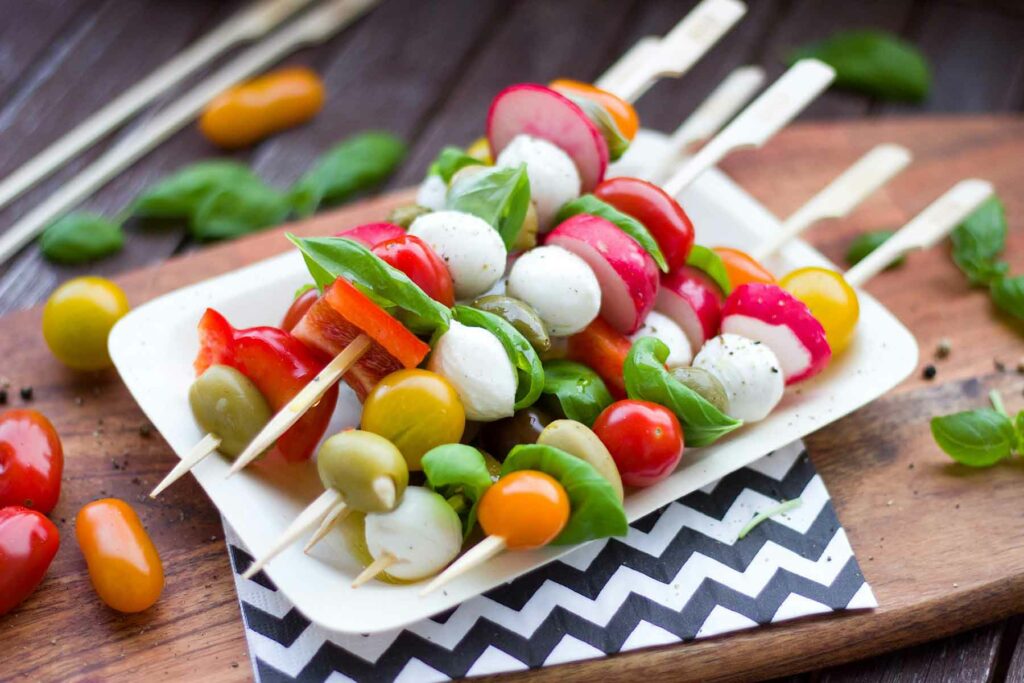
Catering runs 20 to 25 percent of the average wedding budget. These ideas keep guests well-fed while trimming the bill.
- Serve brunch instead of dinner. Brunch menus (eggs, pastries, fruit, coffee) cost 30 to 50 percent less per head than sit-down dinner service.
- Go buffet or family-style. Both options require fewer servers than plated meals, reducing labor costs by 15 to 25 percent.
- Hire a food truck. Gourmet food trucks typically charge $15 to $30 per person, compared to $75 to $150 for full-service catering.
- Limit the bar options. Beer, wine, and a signature cocktail cost far less than a full open bar. Batch the signature cocktail in advance to reduce bartender time.
- Skip the elaborate wedding cake. A small display cake for cutting paired with a dessert table (cupcakes, cookies, donuts) can save $300 to $500 over a custom tiered cake.
- Ask a talented friend or family member to make a dish. Homemade appetizers or a family recipe served as a side dish add personal meaning and reduce catering volume.
Decor and Flowers for Less
Flowers and decor account for 8 to 10 percent of the average budget, but creative choices can cut that significantly.
- Use seasonal, locally grown flowers. In-season blooms cost 30 to 50 percent less than imported or out-of-season varieties. Dahlias in fall, peonies in spring, and sunflowers in summer are all affordable and striking.
- Repurpose ceremony flowers at the reception. Move aisle arrangements to reception tables. Bridesmaid bouquets become centerpieces. This can halve your total floral order.
- Substitute greenery for flowers. Eucalyptus, ferns, and olive branches create lush arrangements at a fraction of the cost of rose-heavy designs.
- Use candles as centerpieces. Pillar candles, votives, and tapers create a warm atmosphere for $3 to $10 per table versus $50 to $150 for floral centerpieces.
- Rent decor instead of buying. Arches, lanterns, table runners, and chair covers are available from rental companies at 20 to 30 percent of the purchase price.
- Let the venue do the work. If your space has natural beauty (a garden, a historic room, waterfront views), you need less decor. Choose a venue that looks good on its own.
Invitations and Stationery Savings
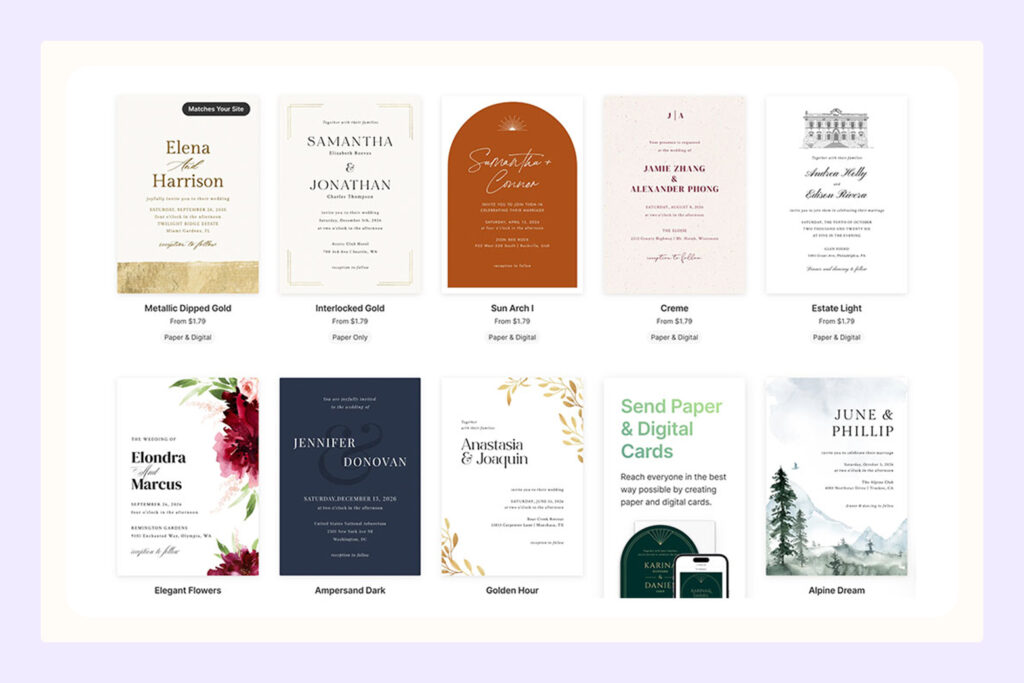
Stationery typically runs 2 to 3 percent of the budget, but couples often overshoot this line item with premium paper, custom calligraphy, and multiple inserts.
- Use digital invitations. Digital invites eliminate printing, postage, and envelope costs entirely. Modern designs look polished and allow guests to RSVP with a single tap.
- Send save-the-dates digitally. Save-the-dates are informational, not ceremonial. An email or text with a link to your wedding website gets the job done beautifully.
- Print at home or use an online template service. If you prefer physical invitations, services like Canva and Minted offer templates that print for $0.50 to $2.00 per card versus $5 to $10 for custom letterpress.
- Skip extras. Belly bands, wax seals, and ribbon wraps look lovely but add $1 to $3 per invitation. On 150 invitations, that is $150 to $450 in embellishments alone.
Attire and Beauty
- Shop sample sales and trunk shows. Bridal sample sales offer 40 to 70 percent off retail. Designer trunk shows occasionally include exclusive discounts for same-day purchases.
- Buy a non-bridal white dress. Department stores, BHLDN, and even prom dress lines carry white and ivory gowns for $100 to $500 that photograph beautifully.
- Borrow or rent accessories. Veils, jewelry, and hair accessories from a married friend or a rental service save $200 to $500.
- Do your own (or a friend’s) hair and makeup. If a professional look is not critical, YouTube tutorials and a trial run can deliver great results at zero cost.
Smart Spending on Everything Else
- Trim the guest list. Every guest costs $100 to $300 in food, drink, seating, and favors. Cutting 20 guests at the average cost saves $2,000 to $6,000.
- Use an online RSVP system. Free RSVP tools replace reply cards and postage, saving $1 to $2 per guest. They also reduce headcount uncertainty by making it easy for guests to respond quickly.
- Create a playlist instead of hiring a DJ. A curated Spotify playlist, a rented speaker system, and a friend as emcee can replace a $1,000 to $2,000 DJ for under $200.
- Limit the photographer’s hours. Book 4 to 6 hours of coverage instead of 8 to 10. Cover the ceremony, family portraits, and the first hour of the reception. Ask guests to share candid shots for the rest.
- Skip traditional favors. Most favors end up forgotten at the table. A handwritten thank-you note or a charitable donation in guests’ names is more meaningful and costs less than trinkets and candy.
Frequently Asked Questions
What is the cheapest way to have a wedding?
The lowest-cost approach combines a free or inexpensive venue (backyard, park, or courthouse), a small guest list (under 30), digital invitations, brunch or cocktail-style food service, and minimal decor. Couples using this formula regularly host weddings for $1,000 to $5,000.
How can I cut my wedding budget in half?
The three biggest levers are venue (switch to a non-traditional or off-peak option), guest count (each guest costs $100 to $300), and catering format (brunch or buffet instead of plated dinner). Adjusting all three can reduce a $30,000 budget to $15,000 or less.
Are digital wedding invitations tacky?
Not at all. In 2026, digital invitations are mainstream. They are faster to send, easier for guests to respond to, and can match any design aesthetic. Many couples use digital invitations alongside a wedding website for a cohesive guest experience.
Is it cheaper to have a destination wedding?
It can be. All-inclusive resort packages for 20 to 40 guests sometimes cost less than a 150-person local wedding. The tradeoff is that fewer guests can attend, which may or may not align with your vision.
What should I not cut from my wedding budget?
Photography is the most common regret when couples cut too aggressively. Photos are the only lasting record of the day, so allocating 10 to 12 percent of your budget to a skilled photographer is generally worthwhile even on tight budgets.
