

Last Updated on July 20, 2026 by Joy Editors
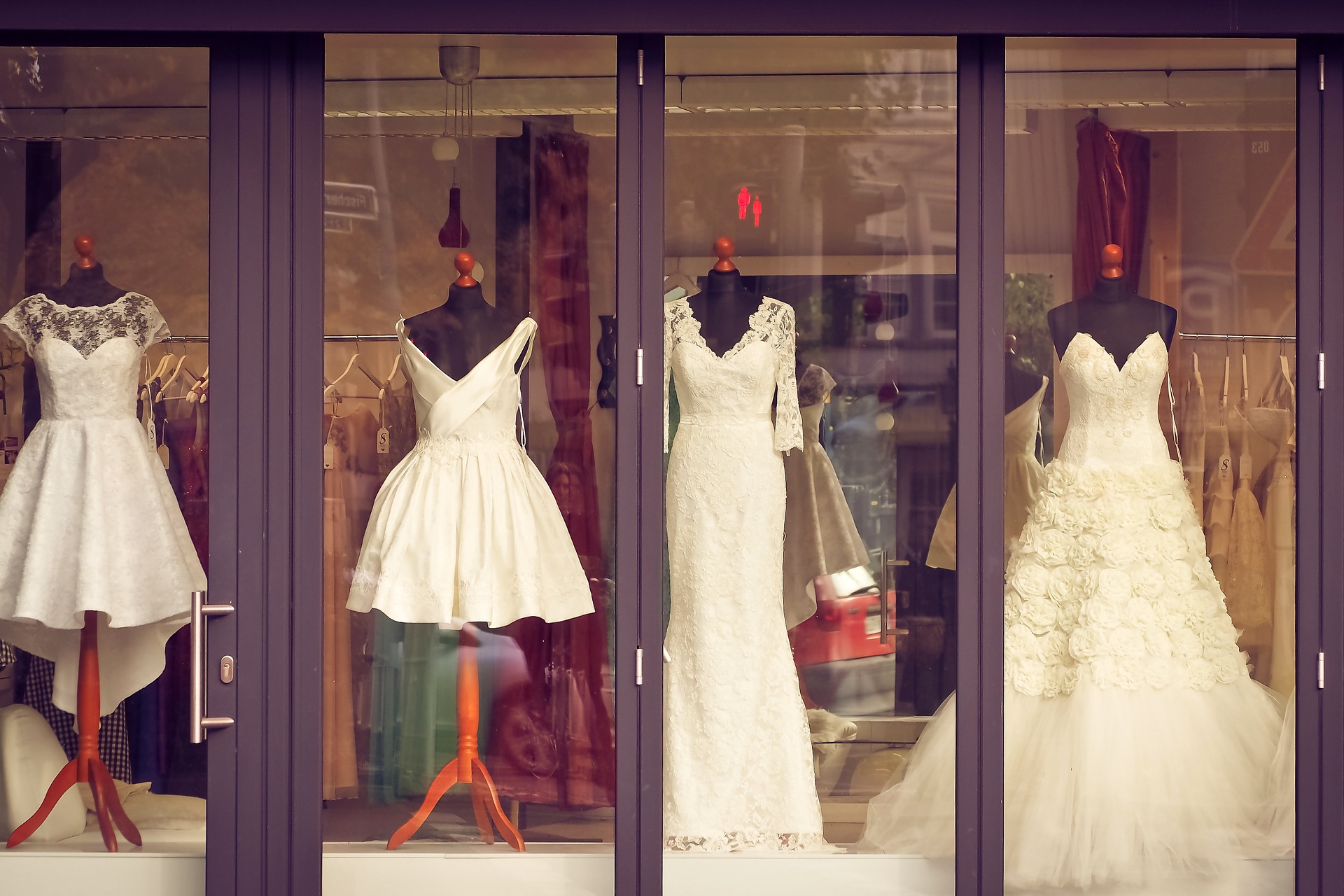
Wedding dress shopping is one of the most personal decisions of the planning process — and 2026 bridal fashion offers more variety than any recent season. From dark romantic gowns with chandelier crystal embellishment to clean minimalist sheaths and dramatic ballgowns, this year’s collections span every aesthetic.
Quick answer: The top wedding dress silhouettes for 2026 are A-line, ballgown, sheath/column, mermaid/trumpet, and fit-and-flare. The biggest 2026 trends are dark romantic gowns, minimalist clean lines, pearl and crystal embellishment, detachable elements (sleeves, capes, trains), and full lace coverage. Start with silhouette, then narrow by neckline and fabric.
The 5 Core Wedding Dress Silhouettes
Every wedding dress, regardless of trend or detail, falls into one of five silhouettes. Understanding these is the foundation of finding your dress.
A-Line
The most universally flattering silhouette. An A-line dress fits through the bodice and flares gradually from the waist, creating a shape that resembles the letter A. It works for almost every body type, every venue, and every formality level.
Best for: All body types. Particularly flattering for pear shapes and anyone who wants to emphasize the waist without dramatic skirt volume.
Ballgown
The most formal and dramatic silhouette. A ballgown has a fitted bodice and a full, voluminous skirt that typically extends to the floor with significant volume. This is the “princess” silhouette — it creates a striking entrance and photographs with impact. Ballgowns work best in large, formal venues (ballrooms, churches, grand estates) where the scale of the dress matches the space.
Best for: Formal venues, traditional ceremonies. Particularly flattering for petite brides (the volume creates height) and those who want a dramatic, statement look.
Sheath / Column
The most minimalist silhouette. A sheath dress follows the natural lines of the body from shoulder to hem with little or no flare. It is sleek, modern, and sophisticated — the choice for brides who want a clean, architectural look. Sheath dresses work especially well for beach weddings, city hall ceremonies, and intimate gatherings where a large skirt would feel out of place.
Best for: Minimalist brides, beach and outdoor weddings, intimate ceremonies. Flattering for tall, lean frames and anyone who wants to emphasize their natural shape.
Mermaid / Trumpet
The most body-conscious silhouette. A mermaid dress hugs the body through the bodice, hips, and thighs, then flares dramatically at or below the knee. A trumpet silhouette is similar but flares slightly higher (at mid-thigh rather than the knee). Both create a dramatic, glamorous look and require more movement adjustment than other styles.
Best for: Brides who want to showcase their figure. Flattering for hourglass shapes. Requires confidence and comfort with a fitted look.
Fit-and-Flare
A hybrid between A-line and mermaid. A fit-and-flare dress is fitted through the bodice and hips, then flares at the knee into a full skirt. It offers the drama of a mermaid silhouette with more ease of movement.
Best for: Brides who want a romantic, feminine silhouette with movement. Flattering for hourglass and pear shapes.
Top Wedding Dress Trends for 2026
2026 bridal collections from designers including Maggie Sottero, Vera Wang, and Monique Lhuillier share several defining trends:
Dark Romantic Gowns
The most distinctive 2026 trend. Dark romantic gowns feature deep, moody aesthetics — think ivory and champagne with dramatic embellishment, velvet accents, and candlelit shimmer. These are not dark-colored dresses (most are still white or ivory) but rather gowns designed to feel cinematic and atmospheric. Pearl-trimmed necklines, chandelier crystal embellishment, and intricate beading are hallmarks of this trend.
Minimalist Clean Lines
At the opposite end of the spectrum, minimalist gowns with architectural silhouettes and no embellishment are equally prominent in 2026 collections. Straight necklines, clean column silhouettes, and simple crepe or satin fabrics with no lace or beading appeal to brides who want a modern, editorial look. This trend pairs well with bold jewelry and dramatic veils.
Detachable Elements
One of the most practical 2026 trends: gowns with detachable sleeves, capes, overskirts, or trains that transform the look from ceremony to reception. A bride can wear a dramatic cathedral train and structured sleeves for the ceremony, then remove them to reveal a sleeker silhouette for dancing.
Full Lace Coverage
While lace has always been a bridal staple, 2026 sees a return to head-to-toe lace coverage — not as vintage nostalgia, but as a modern statement. Contemporary lace gowns pair full lace coverage with clean, modern necklines and silhouettes.
Pearl and Crystal Embellishment
Pearl detailing on necklines, straps, and bodice embellishments is a defining 2026 detail. Pearls add softness and an heirloom quality that feels timeless rather than trendy. Crystal embellishment — particularly chandelier-style crystal placement — is the choice for brides who want maximum impact in photographs.
Dress Toppers and Layering
Embroidered overlays, sheer jackets, detachable capes, and dramatic shoulder pieces that transform a gown from ceremony to reception are a major 2026 trend. Dress toppers allow brides to customize their look without committing to a singular style all day.
Wedding Dress Trends by Wedding Season 2026
The best dress style depends on when you are getting married. Seasonal trends and practical considerations shape which silhouettes and fabrics work best for each part of the year.
Spring (March – May)
Spring weddings favor romantic, light silhouettes. A-line and fit-and-flare dresses in chiffon or lightweight lace work with garden and outdoor venues. Floral appliqué and pastel embellishment are popular seasonal details. Detachable sleeves are practical for unpredictable spring weather — coverage for a breezy outdoor ceremony, removed for the reception.
Summer (June – August)
Heat and humidity matter more than aesthetics in summer dress selection. Lightweight fabrics (chiffon, organza, lightweight crepe) prevent overheating. Sheath and column silhouettes move air better than ballgowns. Strapless and V-neck styles keep things cool. If you are planning a beach or destination wedding, consider a shorter hemline or a dress with a detachable train — you get the ceremony drama without dragging fabric through sand.
Fall (September – November)
Fall is peak season for dark romantic gowns with rich textures. Heavier satins, velvet detailing, and longer sleeves work beautifully in cooler temperatures. Full lace coverage gowns feel seasonally appropriate. Champagne and ivory tones photograph exceptionally well alongside fall foliage.
Winter (December – February)
Winter weddings welcome the most dramatic silhouettes: ballgowns with full skirts, long cathedral trains, and structured fabrication. Heavy satin and duchess silk hold their shape in cooler venue temperatures. Dress toppers, fur stoles, and embroidered capes serve both style and warmth. Pearl and crystal embellishment catches candlelight at indoor evening receptions.
Wedding Dress Necklines: A Quick Reference
After silhouette, neckline is the most important style decision. Here are the most common options:
- Sweetheart — heart-shaped neckline that dips at the center. Romantic and universally flattering. Works with most silhouettes.
- V-neck — elongates the neck and draws the eye downward. Flattering for most body types, particularly for minimizing broad shoulders.
- Straight/square — clean, modern, and architectural. A 2026 trend staple. Works best with minimalist gowns.
- Off-the-shoulder — romantic and feminine. Flattering for most body types. Requires comfort with a dress that sits off the shoulders during movement.
- Illusion/sheer — a sheer fabric panel that creates the appearance of a lower or more dramatic neckline while providing coverage. Popular for religious ceremonies with modesty requirements.
How to Choose Your Wedding Dress Style
Use this framework to narrow your options before you start shopping:
Step 1: Consider Your Venue
Your venue sets the tone for your dress. A grand ballroom calls for a ballgown or dramatic A-line. A beach ceremony works best with a sheath, fit-and-flare, or lightweight A-line. A city hall or courthouse ceremony suits a minimalist sheath or tea-length dress. A garden or outdoor venue works with almost any silhouette but favors lighter fabrics (chiffon, organza) over heavy satin.
If you are planning a destination wedding, your venue dictates even more: humidity, terrain, and travel logistics all affect dress choice. Lightweight fabrics that resist wrinkling (crepe, chiffon) are essential for dresses that need to survive checked luggage, and a detachable train keeps your options open for both ceremony formality and reception practicality. Your Joy wedding website can share venue-specific details — including dress code guidance, weather expectations, and local customs — so guests arrive prepared.
Step 2: Think About Movement
How much do you want to move, dance, and be comfortable throughout a 10-hour day? Mermaid and trumpet silhouettes require the most adjustment in movement. Ballgowns are heavy and warm. A-line and fit-and-flare offer the best balance of drama and comfort. Sheaths are the most practical for movement but require confidence in a fitted look.
Step 3: Start with Silhouette, Not Details
When you walk into a bridal boutique, resist the urge to focus on lace patterns, embellishment, or necklines first. Start by trying one dress from each silhouette category. Your reaction to how a silhouette feels on your body is more reliable than what you think you want from a photo.
Step 4: Budget Realistically
Wedding dress prices range from under $500 (sample sales, off-the-rack) to $10,000 and above for designer gowns. The average spent on a wedding dress in the US is approximately $1,800. Budget an additional 15 to 20 percent for alterations — almost every dress requires some tailoring. Factor in accessories (veil, shoes, undergarments) when setting your total dress budget.
Step 5: Shop Early
Order your dress at least 6 to 9 months before the wedding. Most bridal gowns are made to order and take 4 to 6 months to arrive. Add 4 to 8 weeks for alterations. If you are shopping off-the-rack or at a sample sale, you have more flexibility, but popular styles sell out quickly.
Start Your Planning Timeline: Dress shopping is one of the earliest decisions on your wedding checklist. Your Joy wedding website keeps your planning organized in one place — track your wedding timeline, manage your guest list, collect RSVPs, and coordinate every detail from dress shopping appointments to the big day.
Wedding Dress Fabrics: What to Know
Fabric affects how a dress looks, feels, and photographs:
- Satin — structured, smooth, and lustrous. Holds its shape well. Photographs beautifully. Can feel warm in summer.
- Chiffon — lightweight, flowy, and romantic. Ideal for beach and outdoor weddings. Layered chiffon creates soft volume without weight.
- Lace — romantic and textured. Can be used as an overlay over other fabrics or as the primary fabric. Ranges from delicate Chantilly lace to bold Venetian lace.
- Crepe — matte, smooth, and modern. Drapes beautifully. A favorite for minimalist and contemporary gowns.
- Tulle — lightweight and voluminous. Used for ballgown skirts and veils. Creates dramatic volume without excessive weight.
- Organza — crisp and structured. Similar to tulle but stiffer. Used for structured skirts and dramatic silhouettes.
Share Your Wedding Dress Code
Once you have chosen your dress and established the formality of your wedding, communicate the dress code to your guests. Unclear dress code expectations are one of the most common sources of guest anxiety — and the easiest to solve.
Add dress code details directly to your Joy wedding website. Include the level of formality (black tie, cocktail, casual), any venue-specific guidance (outdoor terrain, temperature, no stilettos on grass), and cultural considerations. For destination weddings, this is especially critical — guests need to know what to pack before they travel.
If different events during your wedding weekend have different dress codes (formal ceremony, casual welcome party, beach brunch), add each event to your schedule and note the dress code for each. This helps guests pack appropriately without needing to email you for clarification.
Frequently Asked Questions
What is the most popular wedding dress style for 2026?
A-line remains the most popular silhouette for 2026 due to its universal flattery and versatility. Among trends, dark romantic gowns with pearl and crystal embellishment and minimalist clean-line sheaths are the two dominant aesthetics of the season.
How much should I budget for a wedding dress in 2026?
The average wedding dress costs approximately $1,800 in the US. Budget an additional 15 to 20 percent for alterations. Designer gowns range from $3,000 to $10,000 and above. Off-the-rack and sample sale options are available from $300 to $800 for brides on a tighter budget.
When should I start shopping for my wedding dress?
Start shopping 9 to 12 months before your wedding. Most made-to-order gowns take 4 to 6 months to arrive, and alterations require an additional 4 to 8 weeks. Shopping early gives you the widest selection and eliminates rush fees.
What wedding dress styles are trending for 2026?
The top 2026 wedding dress trends are dark romantic gowns with crystal and pearl embellishment, minimalist clean-line silhouettes, detachable elements (sleeves, capes, trains), full lace coverage with modern necklines, and dress toppers that transform a gown from ceremony to reception.
What is the difference between a mermaid and a trumpet wedding dress?
Both silhouettes are fitted through the body and flare at the bottom. A mermaid dress flares at or below the knee, creating a more dramatic, fish-tail effect. A trumpet dress flares slightly higher, at mid-thigh, creating a more gradual flare with a bit more ease of movement.
