

Last Updated on July 21, 2026 by Joy Editors
Quick answer: A micro wedding is an intentionally small event with 10 to 50 guests, a full ceremony and reception, and a higher per-guest budget than a traditional wedding. Average cost: $5,000 to $15,000, though couples often spend more per person on food, venue, and photography. Start planning 6 to 12 months out, focusing on venue, guest list, and the 3 to 5 details that matter most to you.
A micro wedding is not a scaled-down version of a big wedding. It is a different format entirely: fewer guests, more time with each person, higher quality on the details that matter, and significantly less logistical stress. Couples choosing micro weddings are not settling: they are making a deliberate decision about how they want to spend their wedding day.
This guide covers everything from defining your guest list and choosing the right venue to managing family expectations and spending your budget where it counts.
What Is a Micro Wedding?
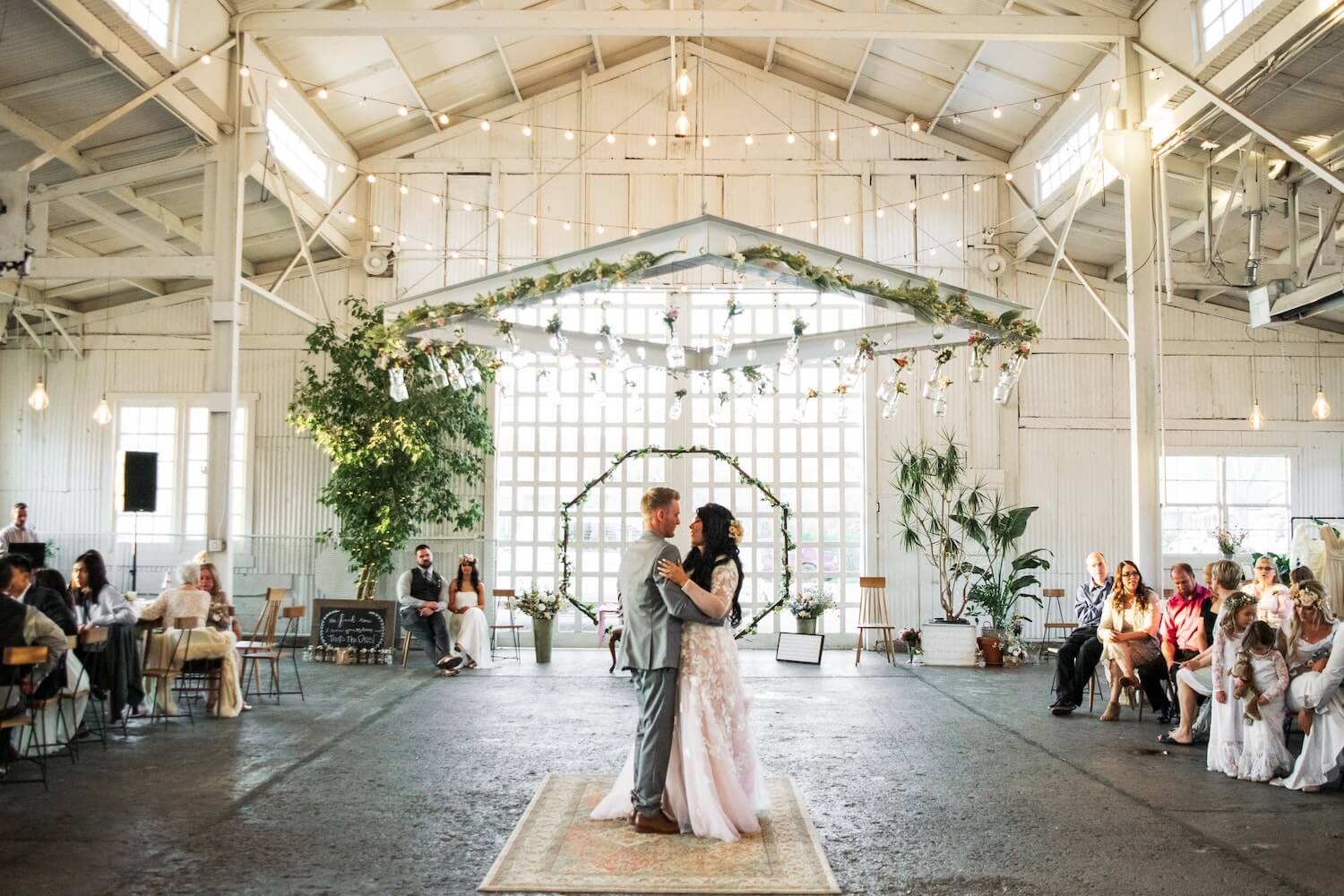
A micro wedding typically has 10 to 50 guests. It includes a ceremony, a reception (usually a seated meal), and most of the elements of a traditional wedding: photography, flowers, music, attire. The difference is scale and intentionality.
| Type | Guests | Ceremony | Reception | Typical budget |
|---|---|---|---|---|
| Elopement | 0 to 10 | Yes | Optional (dinner, not a party) | $1,000 to $5,000 |
| Micro wedding | 10 to 50 | Yes | Yes (full reception) | $5,000 to $15,000 |
| Traditional wedding | 75 to 300+ | Yes | Yes | $20,000 to $50,000+ |
The key distinction from an elopement: a micro wedding has a proper guest list and a planned reception. The key distinction from a traditional wedding: intentionally limited guest count, not just a smaller version of 200-person planning.
Why Couples Choose Micro Weddings
The reasons are practical and personal:
- Budget reallocation: Fewer guests means you can spend more on what matters. A $200-per-plate dinner for 30 people costs $6,000. For 150 people, that is $30,000. Many couples prefer the intimate experience at a fraction of the total cost.
- Less stress: Coordinating 30 people is fundamentally different from coordinating 200. Fewer vendors, simpler logistics, shorter planning timeline.
- More time with guests: At a 200-person wedding, the couple spends an average of 2 minutes per guest. At a 30-person wedding, you have a real conversation with everyone.
- Venue freedom: Small guest counts unlock venues that cannot host 150: restaurants, private homes, rooftops, vacation rentals, parks, galleries, libraries.
- Faster planning: A micro wedding can come together in 3 to 6 months. Some couples plan in weeks.
How to Set Your Micro Wedding Budget
Micro weddings cost less in total but often more per guest. A $10,000 micro wedding with 25 guests is $400 per person. A $30,000 traditional wedding with 150 guests is $200 per person. Both are valid: you are buying a different experience.
Typical cost breakdown for a micro wedding:
| Category | Typical range | Notes |
|---|---|---|
| Venue | $1,000 to $5,000 | Restaurants, private dining rooms, vacation rentals often cost less |
| Food and drink | $2,000 to $6,000 | Higher per-plate spend, fewer plates. Multi-course plated meals work well. |
| Photography | $1,500 to $4,000 | Shorter coverage needed (4 to 6 hours vs 8 to 10) |
| Flowers | $500 to $2,000 | Fewer centerpieces. Focus on bouquet and one statement piece. |
| Attire | $500 to $3,000 | Same as any wedding, though some couples go less formal |
| Music | $200 to $1,500 | Curated playlist or a solo musician works better than a full band for 25 guests |
| Officiant | $200 to $800 | Same regardless of wedding size |
| Invitations | $50 to $300 | Fewer invitations needed. Digital invitations are practical and stylish for a small guest list. |
Building the Guest List: The Hardest Part
With a micro wedding, the guest list is the most consequential and most emotionally charged decision. Every name you add changes the dynamic. Here is how to approach it:
- Start with a number, not names. Agree on a max count first: 20, 30, 40. Then fill the list.
- Use tiers. Tier 1: people you cannot imagine the day without. Tier 2: people you love but the wedding still feels complete without. Only invite Tier 1.
- Apply rules consistently. “No aunts” is defensible. “Your aunt but not mine” is not.
- Decide on plus-ones early. For a 30-person wedding, 10 plus-ones is a 33% increase in your guest count.
- Communicate early and clearly. The people not invited will notice. A sincere, proactive message (“We are having a very small ceremony with just parents and siblings”) is better than silence.
Track your guest list, RSVPs, and meal preferences in one place. A digital guest list tool keeps everything organized even for a small wedding, and you will have accurate headcounts for your venue and caterer without chasing responses manually.
Best Venues for Micro Weddings
Small guest counts open up venue options that are impossible or impractical for large weddings:
- Restaurants and private dining rooms: Food is handled, ambiance is built in, and setup/cleanup is the venue’s responsibility. Many restaurants offer private event menus for 20 to 40 guests.
- Vacation rentals: A large Airbnb or VRBO with a backyard is a popular micro wedding venue. Doubles as accommodation for out-of-town guests.
- Estates and gardens: Smaller capacity estates often have lower minimums and more flexible policies than large event spaces.
- City hall or courthouse: The ceremony is handled. Add a dinner at a nice restaurant for the full experience.
- Rooftops and galleries: Unique urban spaces that work beautifully for 20 to 50 guests.
- Parks and outdoor spaces: Permit fees are low ($50 to $500 in most cities). Bring your own chairs, an arch, and an officiant.
- Your own home or backyard: Maximum comfort, zero venue fee. Budget goes to rentals, catering, and decor instead.
If many of your guests are traveling, consider setting up a hotel room block near your venue. Even for a small wedding, group rates make travel easier and keep guests together.
Managing Family Expectations
The most common pushback couples face is from parents who expect a large wedding, either because of cultural norms, family obligations, or their own preferences. This is real and valid: a micro wedding means some people will not be invited, and that can create tension.
Strategies that work:
- Include parents in the decision early. Explaining your reasoning before the invitations go out prevents surprises.
- Offer alternatives for excluded guests. A post-wedding celebration (casual reception, backyard party, brunch) lets extended family celebrate without expanding the wedding itself.
- Be firm but kind. “We love your family, and we are keeping the ceremony to 25 people” is a complete answer.
- Let parents contribute to what they value. If your mom wants to help with flowers or your dad wants to give a toast, make room. Micro does not mean exclusionary.
Food and Drink for a Small Wedding
A micro wedding gives you food options that a large wedding does not:
- Multi-course plated dinner: The gold standard for intimate weddings. Easier for restaurants and caterers to execute at high quality for 20 to 40 guests.
- Family-style service: Platters passed around the table. Creates a communal, warm atmosphere.
- Private chef: Hire a chef to cook at a vacation rental or home. Surprisingly affordable for 20 to 30 guests ($75 to $150 per person).
- Food truck or pop-up: Casual, fun, and often $30 to $60 per person including drinks.
- Brunch wedding: Lower food and alcohol costs, and guests love it.
Collect dietary restrictions and meal preferences through your RSVP form. Even with 25 guests, knowing allergies and preferences in advance makes the caterer’s job easier.
Do You Need a Wedding Website for a Micro Wedding?
Yes. A wedding website is even more useful for a micro wedding because every detail is personal. Your 25 guests are your closest people: they want to know the story, the schedule, and the logistics.
A wedding website centralizes:
- Event schedule (ceremony, dinner, after-party)
- Venue details and directions
- Hotel recommendations or room block links
- RSVP collection with meal preferences
- Your story, photos, and wedding party
- Registry information
For destination micro weddings especially, guests need travel information, accommodation options, and a clear schedule. A wedding website eliminates individual questions and keeps everyone on the same page.
Planning a Destination Micro Wedding
Micro weddings and destination weddings are a natural pairing. A small guest count makes destination logistics manageable: fewer flights to coordinate, fewer hotel rooms to block, and an intimate group that is excited to travel together.
Popular destination micro wedding formats:
- Villa or vacation rental for a wedding weekend
- Beach ceremony with a restaurant reception
- European elopement-style with a small group
- National park ceremony with a nearby lodge dinner
Use your wedding website’s travel tools to organize flights, accommodations, and local recommendations for your guests in one place.
Micro Wedding Timeline
A shorter planning timeline is one of the biggest advantages of a micro wedding. Here is a realistic schedule:
| Timeframe | Task |
|---|---|
| 6 to 12 months out | Set budget, finalize guest list, book venue, hire photographer |
| 4 to 6 months out | Book officiant, choose attire, plan menu, set up wedding website |
| 2 to 3 months out | Send invitations (digital or print), book florist/music, set up registry |
| 1 month out | Confirm vendors, finalize seating, collect RSVPs, write vows |
| 1 week out | Confirm final headcount, review timeline with vendors, prepare day-of kit |
Registry for a Micro Wedding
A small guest list does not mean you skip the registry. Your 25 to 40 guests will still want to give you something. Focus on what you actually need:
- Cash funds: Honeymoon funds, house down payment funds, or experience funds let guests contribute to what you value.
- Curated physical gifts: A smaller, more intentional list. 20 to 30 items is plenty for a micro wedding.
- Charity donations: Some couples ask guests to donate to a cause instead of buying gifts.
Share your registry through your wedding website so guests can find it easily without asking.
Everything your guests need, in one place. Set up your free wedding website to share your story, collect RSVPs with meal preferences, manage your guest list, and share hotel room blocks for out-of-town guests. Start free on Joy.
Frequently Asked Questions
How many guests is a micro wedding?
A micro wedding typically has 10 to 50 guests. The most common range is 20 to 35. Anything under 10 is closer to an elopement; above 50 crosses into a small traditional wedding.
How much does a micro wedding cost?
Total cost typically ranges from $5,000 to $15,000, though couples spending more per guest can reach $20,000+. The per-person cost is usually higher than a traditional wedding ($200 to $500 per guest), but the total is significantly lower.
What is the difference between a micro wedding and an elopement?
An elopement has 0 to 10 guests (often just the couple and a witness) and may skip the reception. A micro wedding has 10 to 50 guests and includes a full ceremony and reception with many of the same elements as a traditional wedding, just at a smaller scale.
Do you need a wedding planner for a micro wedding?
Usually no. With fewer vendors and simpler logistics, most couples can manage a micro wedding themselves. A day-of coordinator ($500 to $1,500) is worth considering so you do not spend your wedding morning coordinating deliveries.
How do you tell people they are not invited to your micro wedding?
Proactively and kindly. Before word spreads, send a message: “We are having a very small ceremony with just immediate family and a few close friends. We would love to celebrate with you at [post-wedding party/dinner] on [date].” Do not apologize excessively or over-explain.
