

Last Updated on July 20, 2026 by Joy Editors
Quick answer: Wedding flowers typically cost 8 to 10 percent of your total budget. The four items worth investing in are the bridal bouquet, ceremony focal point (arch or altar), reception centerpieces, and personal flowers (boutonnieres, corsages). Everything else is optional. Choosing seasonal, locally grown flowers cuts costs by 30 to 50 percent.
Flowers show up in nearly every wedding photo. They also show up in nearly every budget conversation — because it is easy to spend a lot without noticing. This guide covers what flowers actually cost, which ones are worth the investment, and how to build a floral plan that works for your budget and style.
How Much Do Wedding Flowers Cost?
The average couple spends $1,500 to $2,500 on wedding flowers, though the range is wide. For a 100-person wedding with a full floral design, $4,000 to $8,000 is more realistic. Large installations, tall centerpieces, and elaborate ceremony arches push costs higher.
Sample Floral Budgets by Wedding Size
| Wedding size | Budget range | What it covers |
|---|---|---|
| Intimate (under 50 guests) | $2,000 to $4,500 | Bridal bouquet, ceremony focal point, 5 to 8 centerpieces, personal flowers |
| Mid-size (75 to 100 guests) | $4,000 to $8,000 | Full ceremony design, 10 to 15 centerpieces, bridal party flowers |
| Large (150+ guests) | $8,000 to $15,000+ | Ceremony arch, full reception florals, statement installations |
A useful rule: set aside 8 to 10 percent of your total wedding budget for florals. If you want flowers as your primary decor element, budget 12 to 15 percent. If you are keeping things minimal, 5 to 7 percent can work.
The Four Floral Moments Worth Investing In
Flowers are the category where spending more does not automatically mean better results. Spending intentionally does. These four items move the needle most in photos and guest experience:
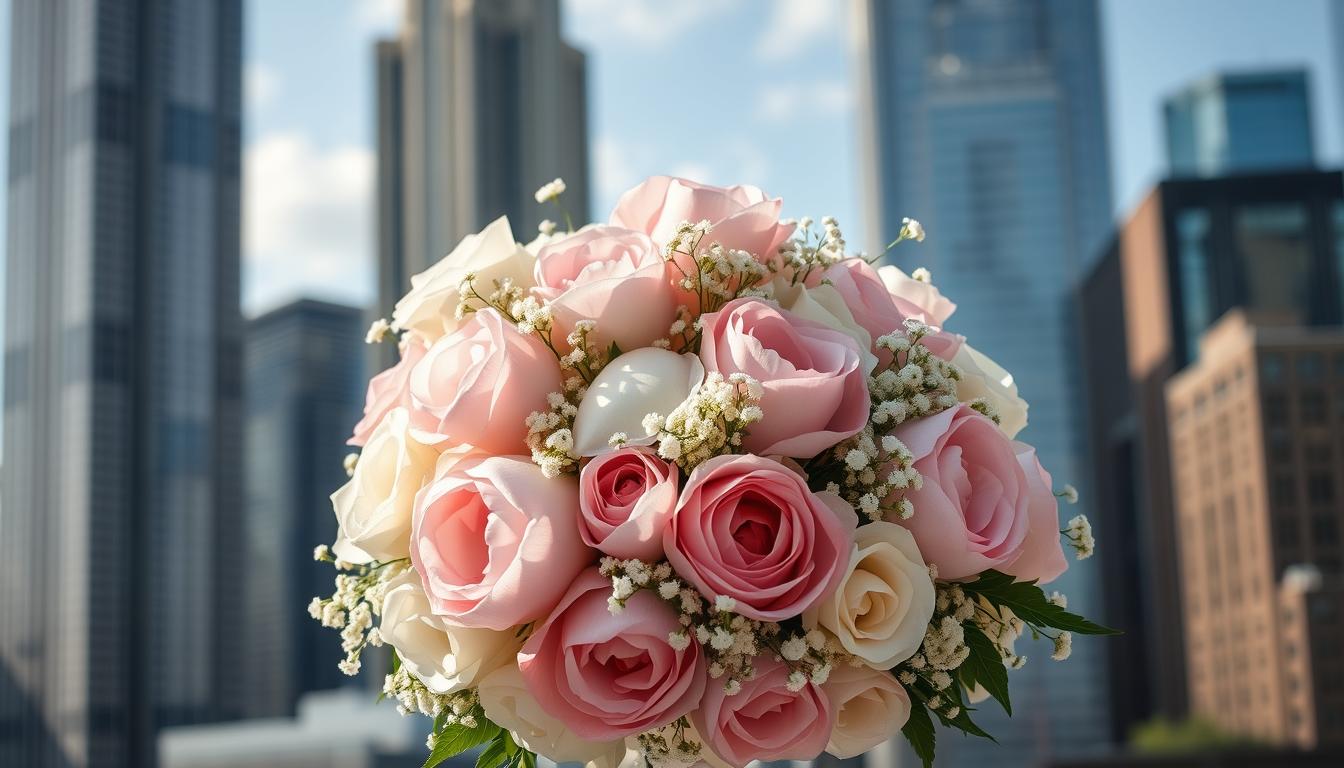
- Bridal bouquet: The most photographed floral element of the day. Average cost: $150 to $350 for a classic cascade or round bouquet; $400 to $600 for a large, lush design.
- Ceremony focal point: The arch, altar arrangement, or chuppah backdrop. This is what guests see during the ceremony and what frames your vow photos. Budget $500 to $2,500 depending on size and complexity.
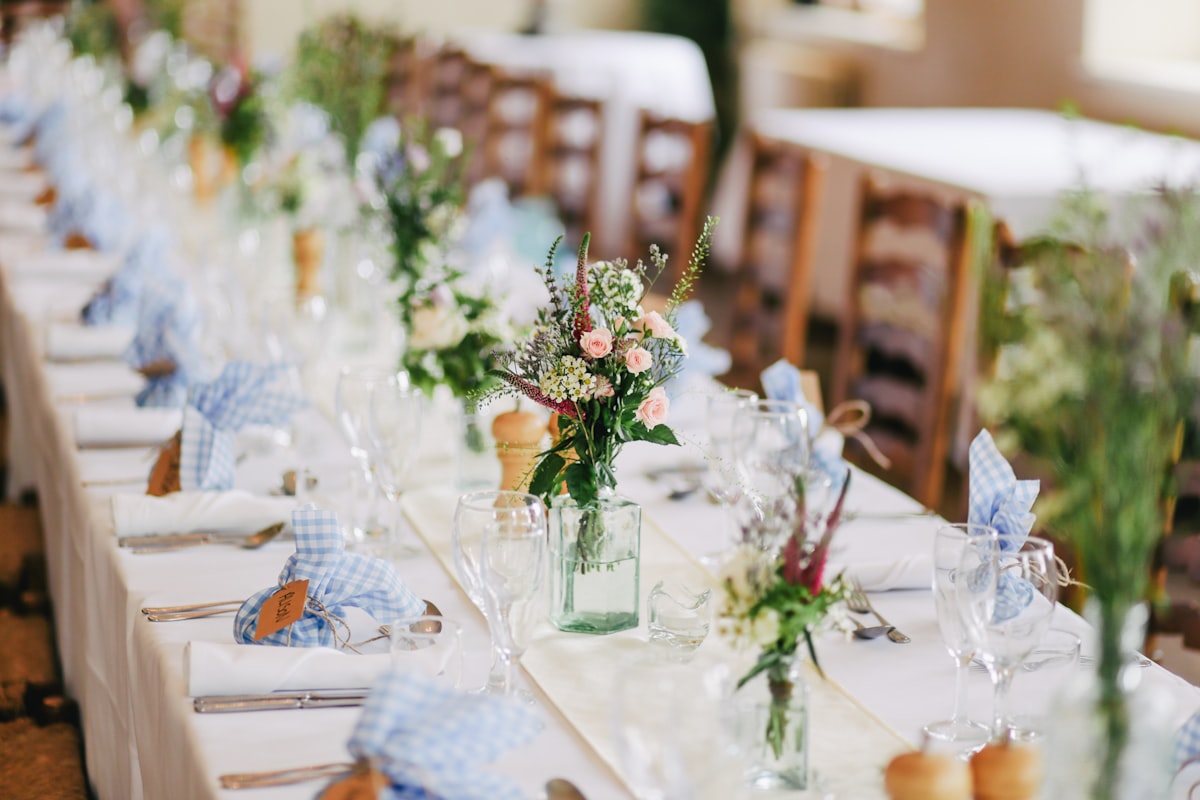
- Reception centerpieces: The visual anchor of the reception. Low centerpieces ($75 to $200 each) are more conversation-friendly. Tall centerpieces ($200 to $600+) create drama. Mixing heights across tables is a common approach.
- Personal flowers: Boutonnieres ($20 to $45 each), bridesmaid bouquets ($65 to $120 each), corsages ($35 to $75 each). These add up quickly with a large wedding party.
Pro tip: Ask your florist about repurposing ceremony flowers in the reception. Arch arrangements can move to the sweetheart table or bar. Ceremony aisle arrangements can become cocktail hour decor. This doubles the visual impact without doubling the cost.
Where to Save on Wedding Flowers
Several floral elements have minimal impact on the overall look but add meaningful cost:
- Bar and cocktail hour arrangements
- Restroom flowers
- Aisle markers (candles or greenery work just as well)
- Cake flowers (a few stems from the florist cost $50 to $150 vs. a full arrangement)
- Flower girl petals (dried petals or paper alternatives are budget-friendly)
Guests rarely notice the absence of these items. Cutting them frees budget for the moments that matter.
Most Popular Wedding Flowers and Their Costs
| Flower | Season | Relative cost | Best use |
|---|---|---|---|
| Roses (garden variety) | Year-round | Moderate | Bouquets, centerpieces, boutonnieres |
| Peonies | Late spring (May to June) | High | Bouquets, lush centerpieces |
| Hydrangeas | Summer to fall | Moderate | Centerpiece filler, ceremony decor |
| Dahlias | Summer to fall | Moderate | Bouquets, statement centerpieces |
| Ranunculus | Spring | Moderate to high | Bouquets (peony alternative) |
| Lisianthus | Summer | Low to moderate | Bouquets, filler |
| Baby’s breath | Year-round | Low | Filler, minimalist bouquets |
| Eucalyptus / greenery | Year-round | Low | Garlands, table runners, filler |
| Sunflowers | Summer | Low | Casual, garden-style arrangements |
| Anemones | Winter to spring | Moderate | Bouquets, moody color palettes |
| Sweet peas | Spring | Low to moderate | Romantic, soft bouquets |
| Chrysanthemums | Year-round | Low | Volume filler, budget centerpieces |
Seasonal Availability: Why It Matters for Your Budget
Seasonal flowers cost 30 to 50 percent less than out-of-season imports. A peony in November is not impossible — it just arrives from South America and costs accordingly. A peony in May is locally grown, widely available, and priced reasonably.
Seasonal flower guides by wedding month:
- Spring (March to May): Peonies, tulips, ranunculus, sweet peas, anemones, lilacs
- Summer (June to August): Dahlias, sunflowers, zinnias, lisianthus, lavender, garden roses
- Fall (September to November): Dahlias, marigolds, chrysanthemums, cosmos, amaranth
- Winter (December to February): Anemones, amaryllis, hellebores, paperwhites, evergreen
If you have a specific flower in mind that is out of season, ask your florist for a similar alternative. Garden roses substitute well for peonies. Large ranunculus mimics the look of a peony at a lower price point.
For couples planning a destination wedding, seasonal availability becomes even more important. Flowers that are readily available at home may not be locally grown at your destination. Work with a florist who knows the local market, or embrace blooms native to the region — tropical flowers for a beach ceremony, wildflowers for a countryside celebration. Joy’s destination wedding tools can help you coordinate logistics when your vendors are spread across different locations.
How to Work with a Wedding Florist
Your florist consultation goes better when you arrive with three things: a budget range, a sense of your color palette, and a few inspiration images. You do not need to know exactly what you want — that is the florist’s job. But giving them a starting point saves time and produces better proposals.
Your wedding website can help communicate your wedding aesthetic to guests through your event details while keeping your timeline, color palette, and vision organized in one place. Sharing your website with your florist gives them a clear sense of the overall vibe — from your invitation style to your venue photos — so their floral proposal matches the rest of your wedding design.
Questions to ask your florist:
- What is in season for my wedding date?
- What would you suggest as substitutes for [specific flower] if it is not available or over budget?
- Can we repurpose ceremony flowers in the reception?
- What is your delivery and setup fee?
- What is your cancellation policy?
- Can I see photos from a wedding with a similar budget to mine?
Pro tip: Book your florist 9 to 12 months before your wedding. Popular florists in peak season fill up quickly. Booking early also gives you time to refine the design and get a detailed quote before your budget is finalized.
Wedding Flower Inspiration by Wedding Style
Your flowers should reflect the overall style of your wedding. Here are floral ideas organized by popular wedding aesthetics — along with invitation designs that pair beautifully with each look.
Rustic Wedding Flowers
Rustic weddings call for loose, organic arrangements that feel freshly gathered. Think wildflowers, dahlias, sunflowers, and lots of greenery — eucalyptus, ferns, and olive branches. Mason jars, wooden crates, and burlap wraps keep the presentation casual and inviting.
Popular rustic choices: dahlias, sunflowers, lavender, Queen Anne’s lace, chamomile, thistle, and mixed greenery. Earthy tones — warm whites, dusty rose, sage green, and muted yellows — tie the look together.
Pair with Joy’s rustic wedding invitations to set the tone from the very first touchpoint.
Modern Wedding Flowers
Modern weddings favor clean lines and intentional minimalism. Monochromatic palettes — all-white, deep burgundy, or blush — work well. Architectural flowers like orchids, anthuriums, and calla lilies create a sculptural effect. Keep the greenery minimal and the shapes geometric.
Popular modern choices: phalaenopsis orchids, anthuriums, calla lilies, protea, and single-variety bouquets. Neutral palettes with one bold accent color make a strong statement.
Match the aesthetic with Joy’s modern wedding invitations — sleek layouts and clean typography that echo the floral design.
Romantic Wedding Flowers
Romantic weddings are lush, soft, and overflowing. Roses, peonies, and ranunculus in blush, ivory, and soft pink create the quintessential romantic feel. Cascading bouquets, full garlands, and abundant centerpieces are the hallmarks of this style.
Popular romantic choices: garden roses, peonies, ranunculus, sweet peas, lisianthus, and jasmine. Pastel palettes with touches of gold or champagne elevate the look.
Browse Joy’s romantic wedding invitations for designs that complement soft, floral-forward celebrations.
Bohemian Wedding Flowers
Bohemian weddings mix textures freely — dried flowers alongside fresh, warm tones with pops of terracotta and mustard. Pampas grass, dried palms, and wild grasses add movement and personality. Arrangements feel undone in the best way.
Popular bohemian choices: pampas grass, dried palms, protea, roses, ranunculus, bunny tails, and mixed dried stems. Earthy and warm palettes — terracotta, burnt orange, dusty mauve — define the look.
See Joy’s boho wedding invitations for designs that capture that free-spirited feel.
Coordinate Your Wedding Design
Flowers are one piece of a larger visual story. The most cohesive weddings align their florals with their invitations, website, and on-the-day details — not because everything needs to match exactly, but because a consistent aesthetic creates an experience that feels intentional.
A few ways to tie it together:
- Start with your color palette: Choose 3 to 4 colors and carry them through your invitations, flowers, linens, and website. Your florist can pull exact stems that match your palette if you share your color references early.
- Match your invitation style to your florals: Rustic wildflower arrangements pair naturally with earthy, textured invitation designs. Minimalist orchid bouquets call for clean, modern stationery. Joy’s wedding invitation collection is organized by style, so you can browse designs that complement your floral vision.
- Use your wedding website as a design hub: Your Joy wedding website is the first place guests experience your wedding aesthetic. Upload photos of your venue, share your color palette through your website design, and add floral details to your event pages. When guests arrive at the wedding, the flowers, the invitation they received, and the website they visited should all feel like part of the same story.
- Share your vision with vendors: Send your florist a link to your Joy wedding website so they can see your invitation design, venue photos, and overall vibe in one place. This helps them build proposals that feel connected to the broader design rather than working in isolation.
Editor’s recommendation: Start building your Joy wedding website as soon as you have a general aesthetic direction — even before you book a florist. Upload your venue photos, set your color palette, and choose an invitation design that reflects your style. When you sit down with your florist, share your website link. Having your design vision in one place makes the consultation more productive and helps your florist deliver arrangements that feel like a natural extension of everything else.
Floral Cost Breakdown by Item
| Item | Low end | High end |
|---|---|---|
| Bridal bouquet | $150 | $600+ |
| Bridesmaid bouquet (each) | $65 | $120 |
| Boutonniere (each) | $20 | $45 |
| Corsage (each) | $35 | $75 |
| Ceremony arch / chuppah | $500 | $2,500+ |
| Altar / aisle arrangements | $100 | $500+ |
| Low centerpiece (each) | $75 | $200 |
| Tall centerpiece (each) | $200 | $600+ |
| Sweetheart table flowers | $150 | $700+ |
| Cake flowers | $50 | $200+ |
| Greenery garland (per foot) | $8 | $20 |
Keep your wedding design cohesive from first impression to last dance. Joy’s free wedding website, matching invitations, and planning tools help you build a unified aesthetic — from the save-the-date your guests receive to the flowers on the table. Start your free wedding website on Joy.
Frequently Asked Questions
How much should you budget for wedding flowers?
Most couples spend 8 to 10 percent of their total wedding budget on flowers. For a $30,000 wedding, that is $2,400 to $3,000. Couples who want flowers as their primary decor often go up to 12 to 15 percent.
What are the most affordable wedding flowers?
The most affordable wedding flowers include baby’s breath, carnations, chrysanthemums, alstroemeria, and billy balls (craspedia). Seasonal and locally grown flowers are also significantly cheaper than imported out-of-season blooms.
What flowers are in season for a summer wedding?
Summer wedding flowers include sunflowers, dahlias, zinnias, lisianthus, lavender, and garden roses. These are widely available June through August and cost less than off-season imports.
Do you need flowers at every table?
No. Many couples use flowers on only some tables and fill others with candles, greenery, or non-floral centerpieces. Mixing floral and non-floral tables is a common budget strategy that still photographs beautifully.
When should you book a wedding florist?
Book your florist 9 to 12 months before your wedding date. Popular florists in peak season fill up quickly, and booking early gives you time to refine the design and get a detailed quote before your budget is locked.
