

Last Updated on July 13, 2026 by Joy Editors
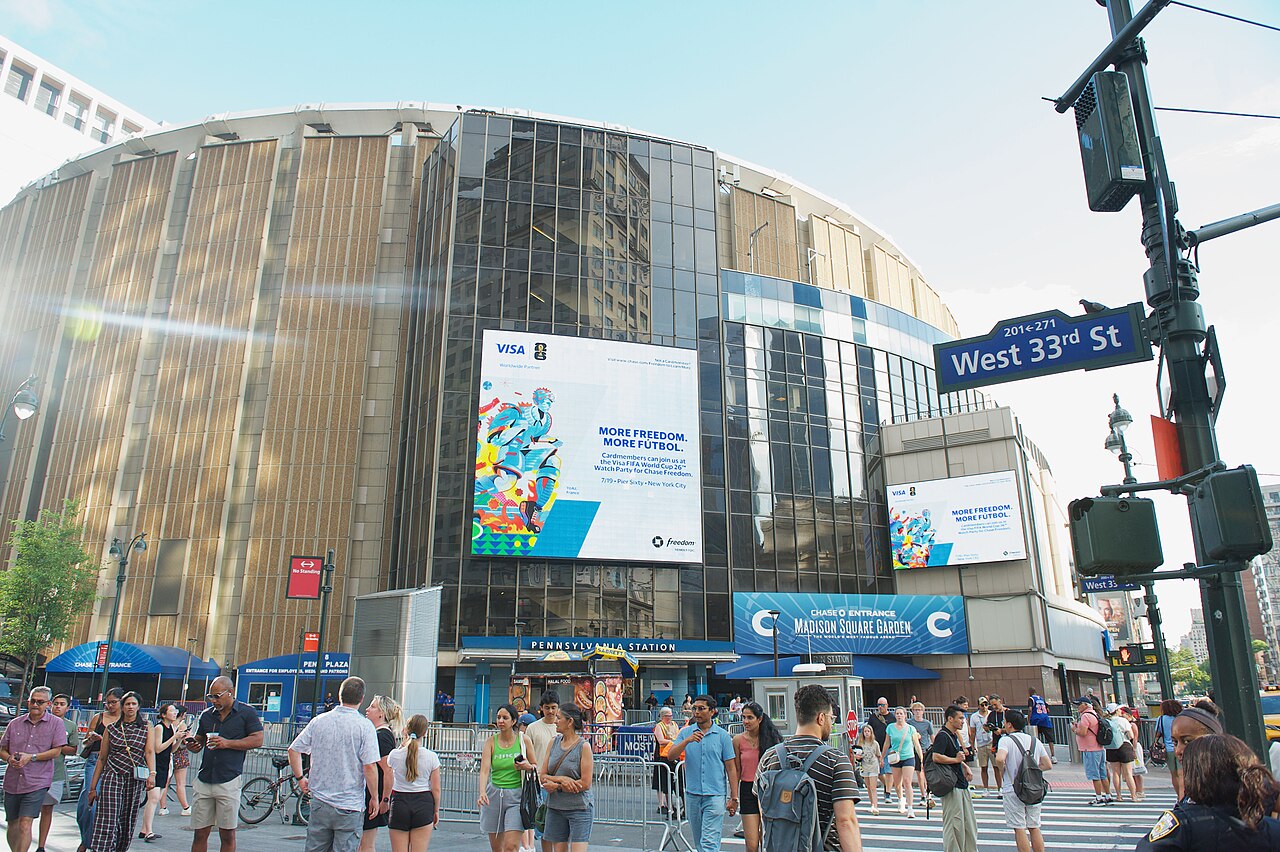
Taylor Swift and Travis Kelce’s July 3, 2026, wedding at Madison Square Garden was not just a celebrity spectacle: it was a masterclass in experience-forward celebration design. From transforming an arena into a garden paradise to handing guests luxury raffle tickets instead of traditional favors, every detail prioritized how the evening would feel over how it would look. The takeaway for couples planning their own weddings is clear: the most memorable celebrations are built around shared experiences, personal storytelling, and intentional surprises, not bigger budgets.
Below are five lessons from the Swift-Kelce wedding that any couple can adapt, whether the guest list has 50 names or 1,000.

1. Design an Experience, Not Just an Event
The biggest shift the Swift-Kelce wedding signals is a move from event decoration to event design. Reports describe arcade games on the reception floor, a luxury raffle featuring Chanel and Dior handbags alongside Cartier watches, and a 1970 Chevrolet Chevelle SS displayed with a personalized license plate. None of those elements are traditional wedding decor. Each one gave guests something to do, talk about, or anticipate.
“We are seeing a desire to take some of the stiffness and formality out of weddings and bring the fun back. Guests are not just consuming the event: they are part of it.” — Akeshi Akinseye, Kesh Events (via CNN)
You do not need a celebrity budget to apply this principle. Consider a few experience-forward ideas that work at any scale:
- Interactive food stations where guests build their own plates or watch a chef prepare dishes live.
- A curated game area with lawn games, a photo booth with props tied to your story, or a trivia game about the couple.
- A surprise element revealed mid-reception, such as a dessert bar reveal, a live painting, or an unexpected musical performance.
- Personalized favors that double as activities, like scratch-off cards, custom playlists guests can scan, or friendship bracelets (a nod Swift fans will appreciate).
The goal is to give guests moments where they participate rather than observe. Start planning the flow of your evening by mapping out guest touchpoints on a free wedding website where you can share your timeline, story, and all the details in one place.
2. Transform Any Venue Into Something Personal

Madison Square Garden is a sports arena and concert hall, not a wedding venue. Swift and Kelce transformed the arena floor into what guests described as a “garden” or “forest” with elaborate floral installations, turning an unconventional space into something deeply personal.
“There is something incredibly powerful about anticipation. This wedding could absolutely encourage more couples to look beyond traditional wedding venues and ask: What could this space become?” — Akeshi Akinseye (via CNN)
The lesson is not to rent an arena. It is to stop limiting venue searches to places that already look like wedding halls. A favorite restaurant, a museum, a rooftop with city views, a family farm, or even a backyard can become the setting for an unforgettable celebration when the design is intentional. The venue should mean something. Swift and Kelce chose MSG because it sits at the intersection of their worlds: music and sports. That emotional logic matters more than marble floors.
When exploring unconventional spaces, a few practical considerations help:
- Confirm the venue allows outside catering and decor (not all non-traditional spaces do).
- Budget for rentals you would not need at a traditional venue: tables, chairs, lighting, restroom facilities.
- Share logistics clearly with guests. A dedicated event page with maps, parking instructions, and a visual preview of the space reduces confusion and builds excitement.
3. Lead With Personal Storytelling
Every reported detail from the Swift-Kelce ceremony carried personal meaning. The couple wrote their own vows, each lasting roughly 20 minutes. Every guest received an ivory handkerchief embroidered with the couple’s monogram, their wedding date, the venue name, and the lyric “So it’s gonna be forever …” from Swift’s 2014 hit “Blank Space.” The “T&T” logo appeared throughout the venue. Swift’s brother, Austin, served as her man of honor. Travis asked his brother, Jason Kelce, to be best man. There was no traditional bridal party.
These choices reflect a broader trend: couples in 2026 are moving away from rigid wedding templates and toward celebrations that tell their specific story. The wedding party does not need to follow convention. The ceremony script does not need to come from a template. The details that make a wedding feel personal are often the ones that break rules.
A few ways to weave your story into the day:
- Write your own vows. They do not need to be 20 minutes. Even a few honest sentences land harder than anything generic.
- Choose your wedding party based on relationships, not roles. A sibling, a parent, a close friend of any gender: pick the people who matter most.
- Thread a motif through the day. A song, a place, an inside joke, a color: repeat it in small ways across invitations, decor, and toasts.
- Use your guest communications to set the tone. Collect RSVPs online and include your story, photos, and schedule so guests arrive already invested in the narrative.

4. Go Digital (Even for a Billion-Dollar Wedding)
One of the more surprising details from the Swift-Kelce wedding: the couple sent digital invitations. Multiple guests told reporters they initially mistook the invitations for spam. In a world where couples still debate whether digital invitations are “formal enough,” the most high-profile wedding of the decade went paperless.
This validates what many modern couples already know: digital invitations are efficient, eco-friendly, and easier to manage at scale. They also allow for real-time updates, embedded maps, and instant RSVP tracking, features that paper cannot replicate.
If a 1,000-guest wedding at Madison Square Garden can go digital, yours can too. The key is pairing digital invitations with a polished wedding website that houses all the details guests need: schedule, venue directions, accommodation suggestions, and registry information. The invitation opens the door. The website is the room behind it.
For couples managing travel logistics, linking a hotel room block directly from the website simplifies the booking process for guests and keeps everything in one place.
5. Generosity Sets the Tone
Before the celebration even began, Swift and Kelce donated $26 million to charitable organizations including Food Bank For New York City, Feeding America, ASPCA, Dolly Parton’s Imagination Library, and children’s hospitals in both New York and Kansas City. While most couples cannot donate at that scale, the gesture reflects a growing trend: using the wedding moment to give back.
More couples are incorporating charitable elements into their celebrations:
- Donating a portion of the wedding budget to a cause the couple cares about.
- Setting up a charitable fund alongside traditional gift registries so guests can contribute to a cause.
- Replacing physical favors with donation cards explaining that a gift was made in each guest’s name.
- Volunteering together as a couple before the wedding, then sharing photos or stories from that experience at the reception.
Generosity does not require millions. It requires intention. And it gives the celebration a purpose that extends beyond the couple themselves.

The Bottom Line
Taylor Swift and Travis Kelce’s wedding was extraordinary by any measure. But the principles behind it are available to every couple: design for experience over aesthetics, choose a venue that means something, tell your story through every detail, embrace digital tools, and let generosity anchor the celebration.
The best weddings are not the biggest or the most expensive. They are the ones where guests leave saying, “That felt like them.”
Start building your celebration with a wedding website that brings your story, schedule, registry, and guest list together in one place.
Create Your Free Wedding WebsiteFrequently Asked Questions
What made Taylor Swift’s wedding experience-forward?
Swift and Kelce designed their reception around guest participation rather than passive observation. Arcade games, a luxury raffle, a vintage car display, and deeply personal ceremony elements like 20-minute handwritten vows created an evening where guests were active participants, not just witnesses. Event planner Akeshi Akinseye described the approach as introducing “anticipation” so guests feel they are part of the event rather than consuming it.
Can I have an experience-forward wedding on a budget?
Absolutely. The principle is about designing moments, not spending more. Interactive food stations, lawn games, photo booths with personal props, trivia about the couple, or a mid-reception surprise (like a dessert reveal or live painting) all create participatory moments without requiring a celebrity-level budget.
Did Taylor Swift really send digital wedding invitations?
Yes. Multiple guests confirmed that the Swift-Kelce wedding invitations were sent digitally. Some guests initially mistook them for spam. Despite hosting one of the most high-profile weddings in recent history with over 1,000 guests, the couple chose digital over paper.
How do I choose an unconventional wedding venue?
Start with emotional significance: pick a place that means something to your relationship. Then confirm practical logistics such as outside catering permissions, rental needs, guest capacity, and parking. Share detailed directions and photos with guests through your wedding website so they know what to expect.
How can I incorporate charitable giving into my wedding?
Options include donating a portion of the wedding budget, adding a charitable fund to your registry, replacing physical favors with donation cards, or volunteering together before the wedding and sharing the experience with guests. The key is choosing a cause that reflects your values as a couple.
