

Last Updated on July 8, 2026 by Joy Editors
Wedding hair and makeup is one of the few parts of the day you will see in every photo. Getting it right means more than finding a talented artist. It means planning the logistics, doing a proper trial, and preparing your skin and hair in the weeks leading up to the wedding.
Quick Answer
Book your hair and makeup artist 9 to 12 months out, schedule a trial 4 to 6 weeks before the wedding, and build a realistic getting-ready timeline that adds 15-minute buffers between each person. The biggest mistake brides make: underestimating how long everything takes on the day..
This guide covers the full process: from booking to your wedding morning routine, 2026 trends, what to budget, and the final touch-up before you walk down the aisle.
Your Wedding Morning Sets the Tone
The best wedding mornings do not start with a chair and a curling iron. They start with a feeling. The light coming through the window. Coffee in a robe. Music playing in the background while someone steams a dress in the next room. How you spend those first hours shapes the emotional energy you carry into the ceremony.
“I tell every bride the same thing: your morning is not a production. It is the last quiet moment before the most joyful day of your life. Protect it.”Jen Atkin, celebrity hairstylist and founder of Ouai Haircare
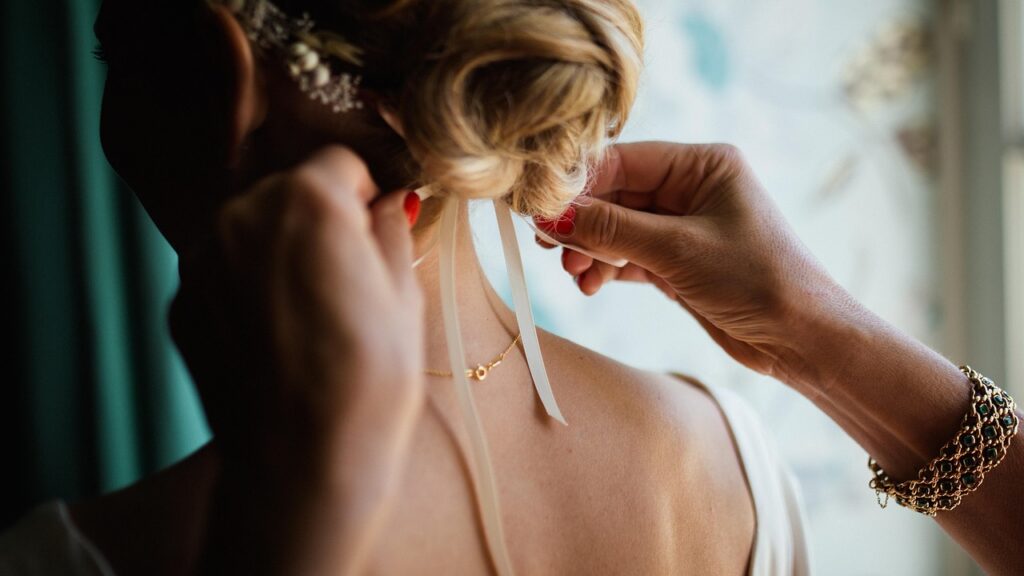
Build space into your getting-ready schedule for moments that have nothing to do with hair and makeup. Eat a real breakfast. Open a card from your partner. Let your mom help you with your jewelry. These are the memories that show up in photos as calm, genuine joy, and no amount of setting spray can fake that.
A few things that help the morning feel intentional rather than rushed:
- Lay out robes, slippers, and getting-ready outfits the night before
- Create a playlist (or ask your wedding party to make one)
- Block 30 minutes after hair and makeup for quiet time with your partner or family
- Eat protein, not just pastries: you need energy that lasts past the ceremony
- Assign one person (not you) to manage logistics and answer the door
PRO TIP
Ask your photographer to arrive during the last hour of getting ready, not the first. The best getting-ready photos capture calm confidence, not frantic activity. Earlier arrivals often make people self-conscious.
How to Find the Right Wedding Hair and Makeup Artist
Start by looking at portfolios, not just reviews. You want to see that an artist’s work consistently looks good in photos, not just in person. Wedding photos are taken under a range of lighting conditions, and makeup that looks beautiful in a mirror can wash out or look heavy on camera.
“When a bride tells me she wants to look like herself, that is the goal. Not a transformed version. The best bridal beauty is when your partner sees you and says, ‘That is you, but even more so.'”Charlotte Tilbury, makeup artist and beauty entrepreneur
Where to look:
- Instagram and Pinterest (search by your wedding location)
- Wedding photographer referrals: photographers know which artists photograph well
- Wedding venue coordinators: they see the results of many artists
- Local wedding Facebook groups and forums
Questions to Ask Before Booking
- Do you have experience with my skin tone and hair type?
- What is your policy if you are sick or have an emergency on my wedding day?
- Do you travel to the venue, or do we come to you?
- How many people can you accommodate in my getting-ready window?
- What is included in the trial fee, and is it applied to the wedding day cost?
PRO TIP
Ask to see photos from weddings, not just styled shoots. Styled shoots are controlled environments. Wedding day photos show how an artist’s work holds up under real conditions: heat, humidity, tears, and hours of wear.
When to Book
Book 9 to 12 months before your wedding date. Peak wedding season runs May through October, and the best artists fill their calendars a year or more in advance. If you are getting married in 6 months or less, start reaching out immediately and be prepared to have a shorter list of options.
Once you book, get everything in writing: the services included, the number of people covered, travel fees, deposit amount, cancellation policy, and start time on the wedding day.
2026 Wedding Hair and Makeup Trends
Trends shift each year, but 2026 is leaning into natural texture, skin-first makeup, and intentional simplicity. Here is what is defining bridal beauty this season.
Hair Trends
- Undone texture: Loose, lived-in waves with soft movement. The goal is hair that looks touchable, not stiff. Think effortless over structured.
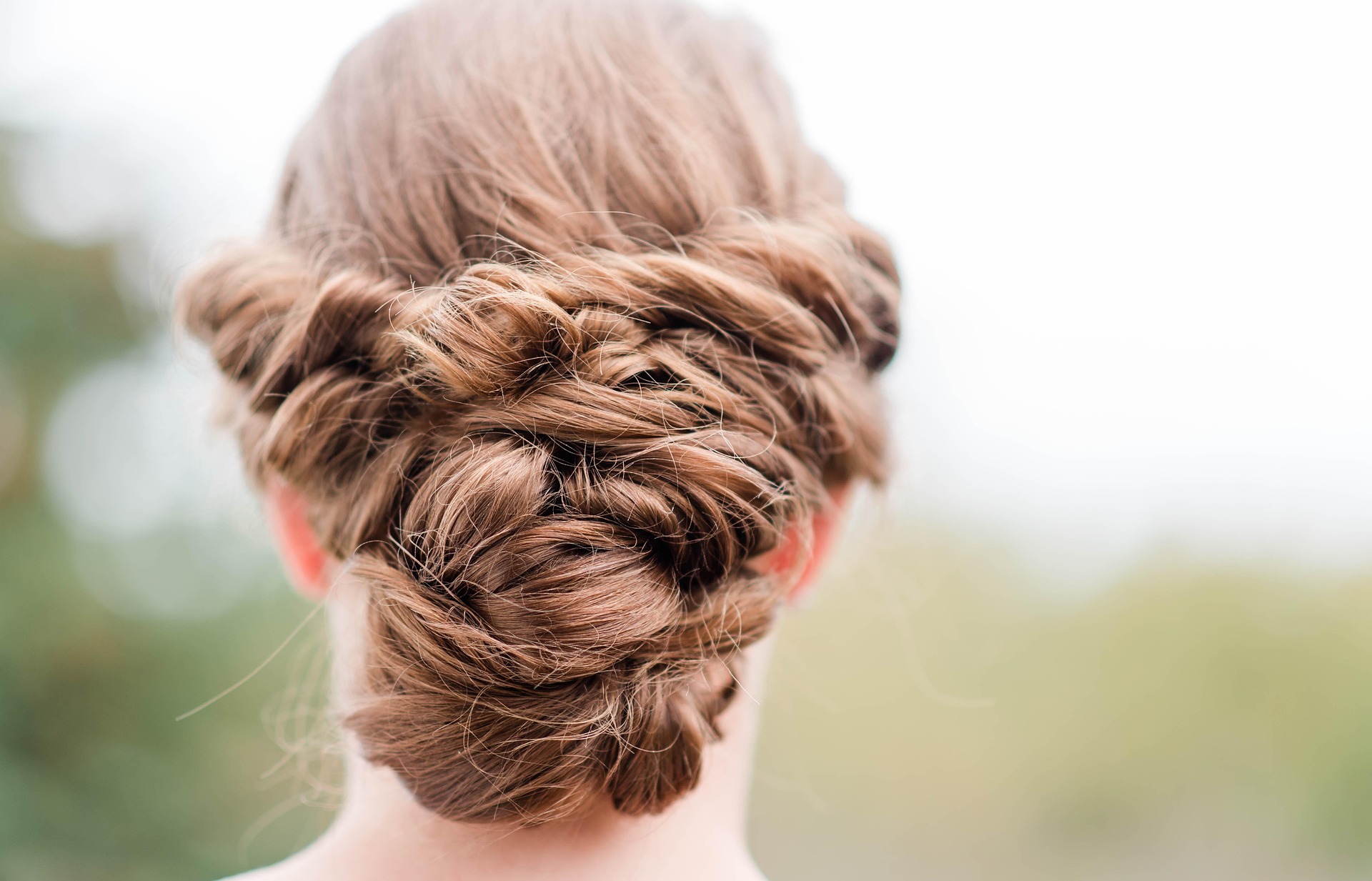
- Low chignons with face-framing layers: Sleek low buns are being replaced by softer, slightly imperfect versions with wispy pieces around the face.
- Natural curls, celebrated: More brides with curly and coily hair are wearing their natural texture on the wedding day. Stylists who specialize in textured hair are in high demand.
- Hair accessories over veils: Delicate pins, pearl-studded combs, and minimalist headbands are trending as veil alternatives or ceremony-to-reception transitions.
- The “quiet luxury” ponytail: A sleek, low ponytail with a silk ribbon or minimal hardware. Clean, polished, requires zero fuss during the reception.
“The era of ‘bridal hair’ as a separate category is over. Brides want to look like themselves, just elevated. The biggest shift I’m seeing in 2026 is texture acceptance. Curly girls are keeping their curls. That wasn’t always the case.”Chris Appleton, celebrity hairstylist (clients include Jennifer Lopez, Kim Kardashian)
Makeup Trends
- Skin-first, minimal coverage: Sheer foundations, skin tints, and strategic concealing over full coverage. Skin texture is welcome; the goal is healthy radiance, not a mask.
- Soft flush over contour: Cream blush blended upward on the cheekbones, replacing heavy contouring. The “sunkissed” effect reads warm and youthful in photos.
- Glossy, not matte: Lips are shifting toward hydrating tints, balms, and soft sheers. Matte liquid lips are fading. If longevity is a concern, a lip stain with a gloss topcoat offers the best of both.
- Defined brows, natural shape: Brows are still a focal point, but the trend is toward groomed and defined rather than drawn on. Laminated brows remain popular for adding fullness.
- Monochromatic palettes: Using the same color family across eyes, cheeks, and lips creates a cohesive, modern look. Warm peach, soft rose, and berry tones are leading 2026 palettes.
“The best makeup for a wedding is the kind that makes your partner tear up when they see you. That almost never comes from heavy coverage. It comes from looking radiant and unmistakably you.”Lisa Eldridge, makeup artist and creative director at Lancome
The Hair and Makeup Trial
The trial is not optional. It is where you work out the look, the timing, and any adjustments before the pressure of the wedding day. Schedule it 4 to 6 weeks before the wedding: close enough to your final hair color and skin condition, but with enough time to make changes if needed.
How to Prepare for the Trial
- Bring photos of looks you love (and a few you want to avoid)
- Bring your veil, hair accessories, or headpiece if you have them
- Wear a top that buttons or zips so you do not disturb your hair when changing
- Arrive with clean, dry hair unless your stylist says otherwise
- Do not arrive with freshly washed hair the day of the trial: hair with a little texture holds styles better
What to Evaluate at the Trial
After the trial, wear the look for the rest of the day. Does the hair hold? Does the makeup look good in natural light, indoor light, and photos? Does the style feel like you, or does it feel like a costume? Take photos in different lighting conditions and look at them on your phone: that is closer to how they will appear in wedding photos than looking in a mirror.
Pro tip
If you color your hair, schedule your color appointment 1 to 2 weeks before the wedding (not the day before). Fresh color can be unpredictable. The same applies to spray tans: get it 2 to 3 days before the wedding so your skin has adjusted.
How Much Does Wedding Hair and Makeup Cost?
Pricing varies significantly by region, artist experience, and the size of your bridal party. Here is what to expect in 2026.
| Service | Average Cost | Notes |
|---|---|---|
| Bridal hair | $150 to $350 | Updos and complex styles on the higher end |
| Bridal makeup | $150 to $300 | Airbrush makeup costs more ($200 to $350) |
| Hair and makeup trial | $100 to $300 | Some artists credit toward the wedding day |
| Bridesmaid hair | $75 to $150 per person | Simpler styles on the lower end |
| Bridesmaid makeup | $75 to $150 per person | Natural looks cost less than full glam |
| Mother of bride/groom | $100 to $200 per person | Typically priced between bride and bridesmaids |
| Travel fee | $50 to $200 | Depends on distance; some include in their rate |
| Touch-up artist for reception | $200 to $400 | On-site for 2 to 4 hours during the event |
Total for a bridal party of four (bride plus three bridesmaids, hair and makeup for all, including trial and travel): $800 to $2,200 depending on location and artist tier.
“I always tell brides to budget for the trial separately and to factor in gratuity. A 15 to 20 percent tip for your hair and makeup team is standard, and most couples forget to include it in their beauty budget.”Mary Phillips, celebrity makeup artist (clients include Jennifer Lopez, Bella Hadid)
Where the Money Goes
- Artist experience: A stylist with 10+ years and an editorial portfolio charges more than someone starting out. Both can be good; check portfolios, not just prices.
- Location: Major metro areas (New York, Los Angeles, Chicago) run 30 to 50 percent higher than midsize cities and rural areas.
- Team size: If you need multiple artists to finish on time, each additional stylist adds $300 to $600 for the day.
- Day-of coordination: Some artists include a lead stylist who manages the schedule. Others leave timing to you.
PRO TIP
Ask about package pricing. Many artists offer a bridal party package that is 10 to 15 percent less than booking each service individually. This can save $150 to $300 for a party of four or more.

Building the Getting-Ready Timeline
This is where most wedding mornings go wrong. Couples underestimate how long hair and makeup takes, especially when multiple people are involved.
| Person | Hair Time | Makeup Time | Total |
|---|---|---|---|
| Bride | 75 to 90 min | 60 to 75 min | 2.5 to 2.75 hrs |
| Bridesmaids / Family | 45 to 60 min each | 45 to 60 min each | 1.5 to 2 hrs each |
Add 15-minute buffers between each person. If you have 4 bridesmaids plus yourself, you are looking at 8 to 10 hours of getting-ready time with a single artist. Most couples either book multiple artists or stagger start times.
Work backwards from your ceremony start time. If the ceremony is at 4:00 PM and you need to be dressed and ready by 2:30 PM for photos, and getting ready takes 9 hours total, the first person in the chair should be at 5:30 AM. That math surprises most couples.
Skin Prep in the Weeks Before the Wedding
Healthy skin makes makeup look better, in person and in photos. Start a consistent skincare routine at least 3 months before the wedding. The basics: cleanser, toner, serum, and moisturizer, morning and night.
What to avoid in the final weeks:
- New skincare products: your wedding day is not the time to test something new
- Aggressive facials or chemical peels within 2 weeks of the wedding (redness and peeling can linger)
- New foundations or primers: wear your wedding-day foundation for a few weeks before to confirm it works with your skin
On the morning of the wedding: cleanse, tone, moisturize, and skip the serum before your makeup is applied. Serums can create a slightly peeling texture under foundation.
Making Your Look Last All Day
Wedding days are long, typically 10 to 14 hours from getting ready to the last dance. These are the products and techniques that help your look hold:
For Makeup
- Set foundation with a translucent or coverage powder: it helps bronzer and blush apply smoothly and extends wear
- Use a waterproof setting spray, especially important if you expect to cry or dance in warm weather
- Bring a small touch-up kit: blotting papers, your lip color, and a travel-size setting spray
- Do not skip blush: foundation removes natural color from the skin, and blush brings it back for photos
For Hair
- Wash your hair the day before, not the morning of: freshly washed hair is harder to style and hold
- Use the products your stylist recommends at the trial; do not switch brands on the wedding day
- If you are wearing a veil, practice removing it without disturbing the style
- Bring bobby pins and a small bottle of hairspray for touch-ups
Regional Considerations
Where you are getting married affects more than pricing. Climate, cultural norms, and local beauty industry standards all shape what works best on a wedding day.
Hot and Humid Climates (Southeast, Gulf Coast, Hawaii, Caribbean)
Heat and humidity are the biggest enemies of wedding-day beauty. Prioritize waterproof formulas, setting powder, and long-wear setting sprays. Airbrush foundation tends to hold up better than traditional liquid in 80+ degree heat. For hair, updos and secured styles outperform loose waves, which can fall flat within an hour. Ask your stylist about anti-humidity products tested in your specific climate.
Dry and Arid Climates (Desert Southwest, Mountain West)
Low humidity means hair holds curl well, but skin can look dehydrated under foundation. Use a hydrating primer and bring facial mist for touch-ups. Matte finishes can look chalky in dry air; opt for dewy or satin foundations instead. Lip products dry out faster: cream or balm textures last longer than liquid mattes.
Cold Weather Weddings (Northeast, Midwest Winter)
Indoor/outdoor transitions create condensation on skin, which breaks down makeup. Use a primer that grips in temperature changes and layer setting spray. Wind can reshape hairstyles quickly: secure everything with pins, even styles that look loose. Bring a shawl or wrap that does not catch on earrings or hair accessories.
Urban vs. Destination Weddings
In major cities, you will have a wide selection of artists at every price point and specialty. For destination weddings, book a local artist early (they know the climate), or fly in your preferred artist and budget for travel, accommodation, and a day rate. Factor in a video call trial if an in-person trial is not possible.
“I have done weddings in Arizona heat and Vermont snow. The products are completely different. If your artist says ‘I use the same kit everywhere,’ keep looking. Climate should change the entire approach.”Andrew Fitzsimons, celebrity hairstylist (clients include Kourtney Kardashian, Megan Fox)
DIY Wedding Makeup: When It Works and When It Does Not
Doing your own wedding makeup is a valid choice if you are comfortable with your skills and have tested the look in photos. The key differences from everyday makeup:
- Wedding makeup needs to last 8 to 12 hours, often in warm or humid conditions
- It needs to photograph well under flash: some products that look great in person wash out or look shiny on camera
- It needs to hold up through tears, sweat, and hugging hundreds of people
If you decide to DIY, do a full trial run at least twice before the wedding. Take photos in different lighting. Wear the look for a full day to test longevity. Invest in a good setting spray and waterproof mascara.
Share Your Getting-Ready Schedule With the Wedding Party
A wedding website is the easiest way to share the day-of schedule with your wedding party and guests. Everyone knows where to be and when. You can also use the guest list to coordinate which bridesmaids need hair, makeup, or both.
