

Last Updated on August 6, 2026 by Joy Editors
Fall wedding planning centers on three key decisions: timing (September for warm weather, October for peak foliage, November for cozy indoor celebrations), color palette (2026 trends favor earth brown, burgundy, bold reds, and jewel tones), and weather preparation (rain backup plans, heating elements, and guest comfort items). Start booking venues and vendors 12 to 14 months ahead, as October and September dates fill fastest.
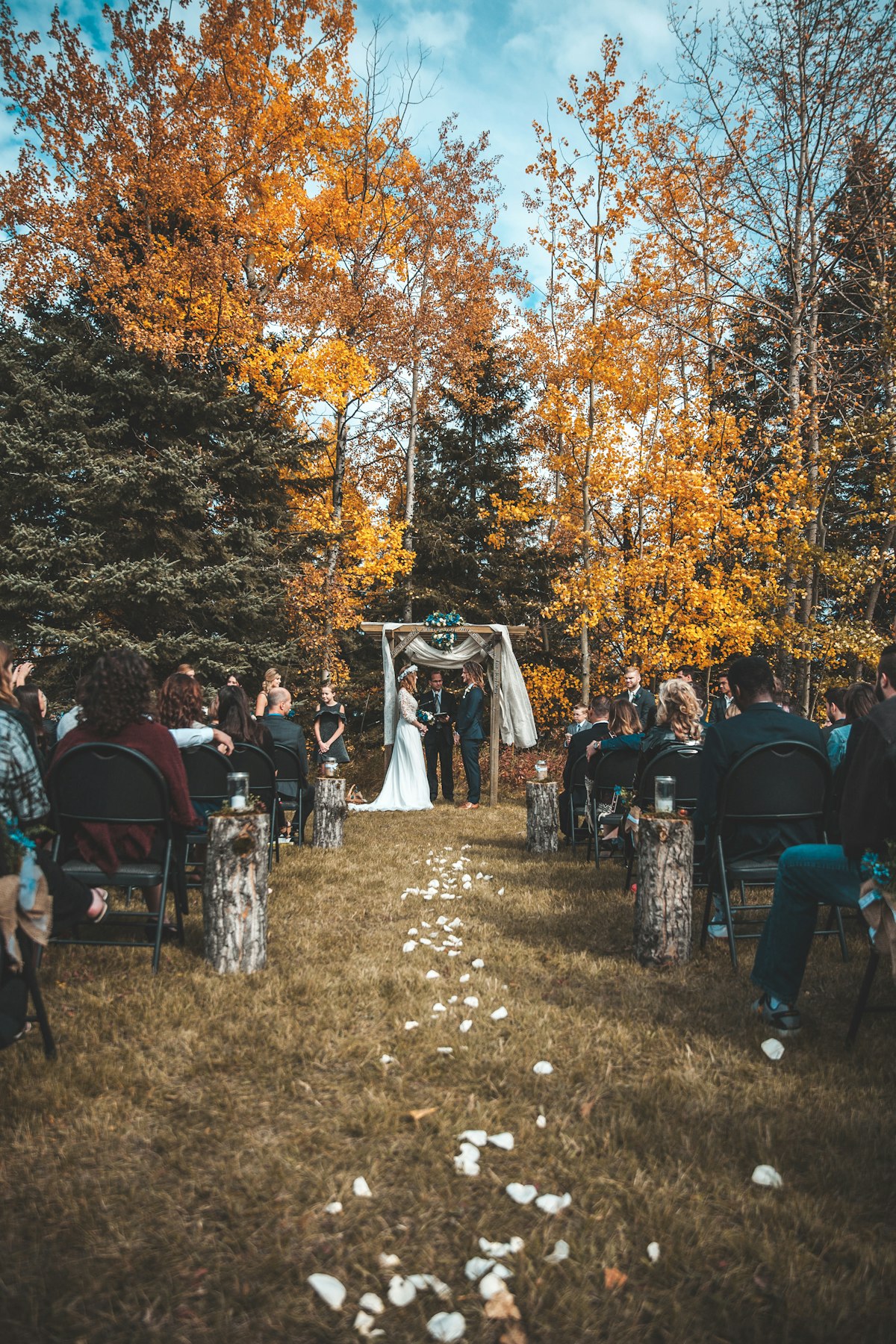
Autumn weddings offer something no other season can match: warm light, rich colors, and crisp air that photographs beautifully. But planning a fall wedding also means navigating earlier sunsets, unpredictable weather, and holiday weekends that can double vendor costs.
This guide covers every detail you need to plan a stunning fall 2026 wedding, from choosing the right month and color palette to weather-proofing your ceremony and booking vendors on a realistic timeline.
Choosing the Best Month for a Fall Wedding
Not all fall months are created equal. September, October, and November each offer distinct advantages and trade-offs. Understanding those differences early will shape every other decision you make.
September: Warm Days, Early Autumn Vibes
September weddings give you the best of both worlds: summer warmth with the first hints of fall color. Daytime temperatures in most regions sit between 65 and 80 degrees Fahrenheit, making outdoor ceremonies comfortable without heavy layers.
Keep in mind that early September foliage is still mostly green in northern states. If you want peak leaf color, aim for the last week of September or early October. Also avoid Labor Day weekend (September 7, 2026): venue rates often spike 20 to 30 percent, and guests may already have travel plans.
October: Peak Foliage and Peak Demand
October is the most popular month for fall weddings, and for good reason. Foliage is at its most vibrant, temperatures are mild (50 to 70 degrees in most regions), and the golden hour light creates unforgettable photos.
The downside: October Saturdays can book 12 to 18 months in advance at popular venues. 📊 Joy platform data shows that couples with October weddings start planning a median of 7.4 months ahead, meaning latecomers face slim pickings. If you are set on an October date, start venue tours immediately. Columbus Day weekend (October 12, 2026) can also mean higher costs and travel conflicts for guests.
November: Cozy Celebrations and Budget Savings
November weddings offer a more intimate, cozy atmosphere with potential cost savings of 10 to 20 percent compared to October. Late autumn colors (deep russets, burnt sienna) create a moody, romantic backdrop.
Two things to watch for: Thanksgiving falls on November 26, 2026, so avoid that week entirely. And if you are planning a November evening event, be aware that Daylight Saving Time ends on November 1, 2026. Sunset will arrive around 5:00 PM in many regions, which means outdoor cocktail hours need to wrap up earlier or include lighting solutions.
Peak Foliage Timing by Region
Fall color does not arrive everywhere at once. Timing your wedding to coincide with peak foliage adds a dramatic, natural backdrop that requires zero additional decor.
- New England (Vermont, New Hampshire, Maine): Late September to mid-October
- Mid-Atlantic (New York, Pennsylvania, Virginia): Early to late October
- Midwest (Michigan, Wisconsin, Minnesota): Late September to mid-October
- Pacific Northwest (Oregon, Washington): Mid-October to early November
- Southeast (North Carolina, Tennessee, Georgia): Late October to mid-November
- Mountain West (Colorado, Utah): Late September to mid-October (aspen groves peak early)
Fall 2026 Wedding Color Palettes
Color trends for 2026 are moving beyond the classic rust-and-sage combination. This year is about deeper, bolder choices with unexpected accents.
Earth Brown and Burgundy
This palette is the standout for fall 2026. Rich earth brown (think chocolate, espresso, and taupe) pairs with deep burgundy and plum to create a grounded, sophisticated look. Add cream or ivory for balance. This combination works beautifully with wooden venues, farm tables, and candlelight.
Jewel Tones: Sapphire, Emerald, and Ruby
Jewel tones bring a luxurious, dramatic feel to fall weddings. Deep emerald green, sapphire blue, and ruby red look striking against autumn foliage. These saturated colors pair well with gold metallic accents for a regal, formal celebration.
Sunset Palette: Peach, Rust, and Burnt Orange
For couples who want warmth without going too dark, the sunset palette blends peach, terracotta, rust, and burnt orange. This combination mirrors the actual colors of a fall sky and looks particularly beautiful in outdoor settings during golden hour.
Moody and Gothic: Black, Deep Plum, and Forest Green
The gothic fall aesthetic is gaining momentum in 2026. A palette built on black, deep plum, and forest green feels modern and dramatic. Black wedding arches, dark velvet runners, and moody floral arrangements in near-black dahlias and deep red roses define this look.
The Metallic Shift: Silver Over Gold
A notable 2026 trend: silver and pewter metallics are edging out gold as the accent metal of choice. Silver pairs naturally with cooler fall palettes (navy, deep green, plum), while gold still works well with warm-toned schemes (rust, burgundy, peach). Choose your metallic based on your overall color temperature.
Decor Ideas That Embrace the Season
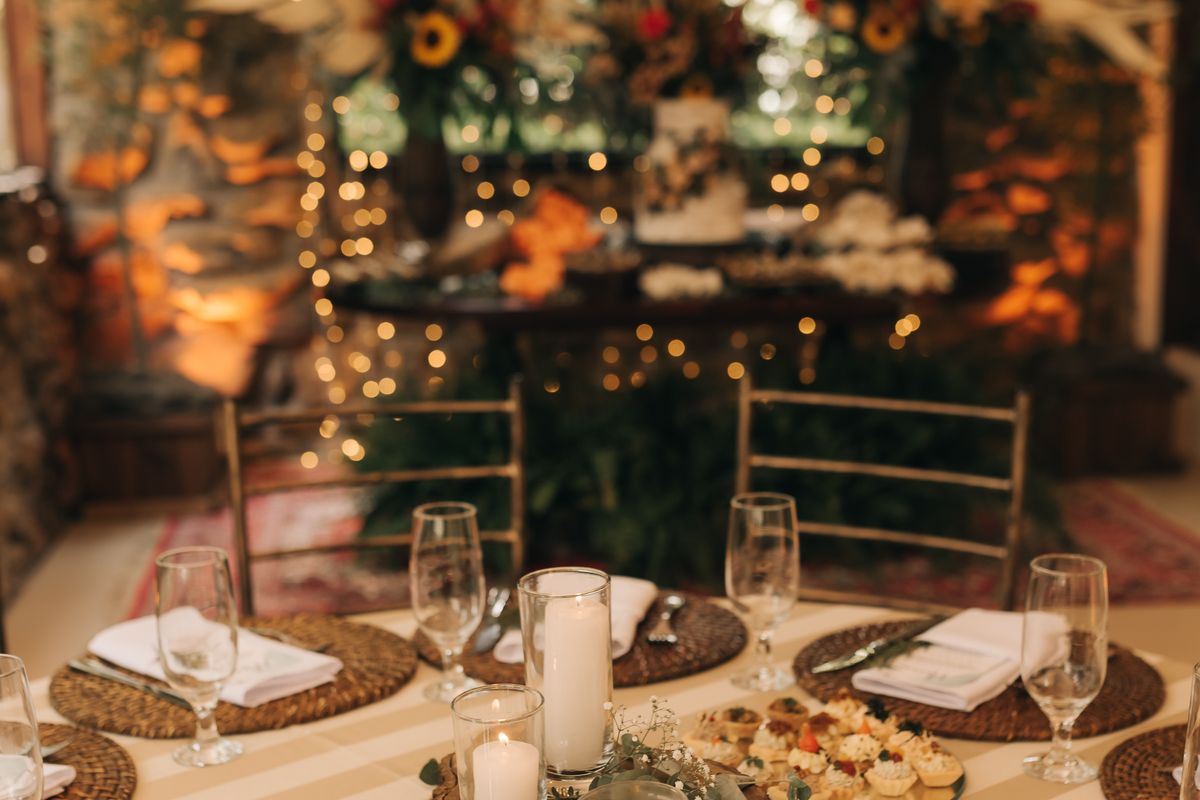
Fall decor should feel intentional, not like a craft store exploded. The goal is to let the season enhance your celebration without overwhelming it.
Candlelight and Cozy Lighting
Nothing sets the mood for an autumn wedding like candlelight. Taper candles in brass holders, pillar candles on wooden risers, and floating candles in glass bowls all create warm, flickering ambiance. Pair with string lights overhead for a layered lighting effect that compensates for earlier sunsets.
Pro tip: LED candles have improved dramatically. They now flicker realistically and eliminate fire hazards, which many venues require. Mix a few real candles at the head table for scent and ambiance.
Pumpkins and Harvest Elements (Done Tastefully)
Pumpkins can absolutely appear at a fall wedding without looking like a Halloween party. The key is restraint and variety. Use white, heirloom, or mini pumpkins as table number holders, aisle markers, or dessert table accents. Carving your initials into a large pumpkin makes a charming welcome sign.
Other harvest elements that add seasonal texture: dried wheat bundles, pomegranates, persimmons, artichokes, and small gourds in muted colors.
Velvet Textures
Velvet is the fabric of fall weddings. Incorporate it through table runners, napkins, ring boxes, or ribbon on bouquet stems. Velvet in burgundy, emerald, or navy adds richness and depth to any table setting. For a bolder statement, consider velvet chair sashes or a velvet draped ceremony arch.
Wooden Accents and Natural Materials
Wood slices as charger plates, hand-lettered wooden signs, driftwood centerpieces, and birch bark wrapped vases all ground your decor in autumn’s natural palette. Pair with linen or gauze runners for softness.
Keep guests informed with your wedding website
Once you have nailed down your decor vision, share the essentials on your wedding website: venue details and directions, travel and accommodation information, parking instructions, dress code guidance (especially important for fall outdoor events where temperatures can swing), and any weather-related attire tips. A well-built wedding website eliminates the guesswork for guests and cuts down on repeated questions.
Seasonal Flowers and Bouquet Styles
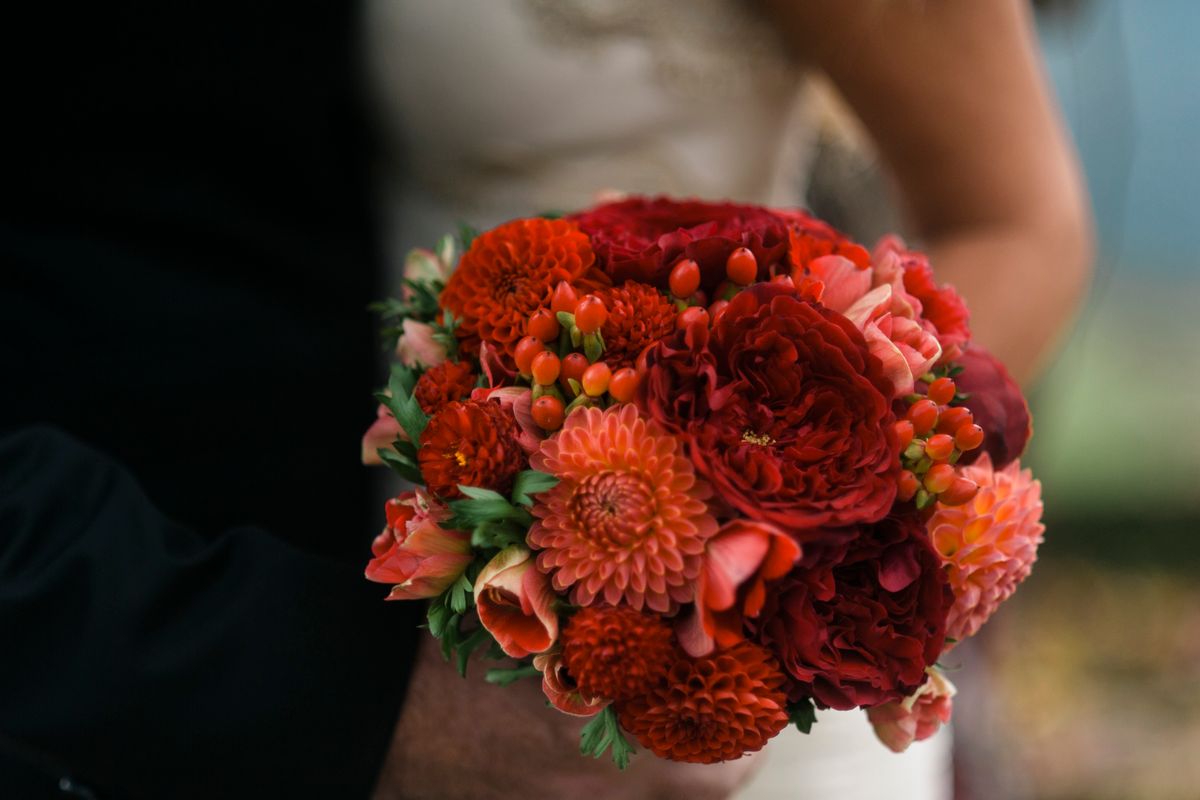
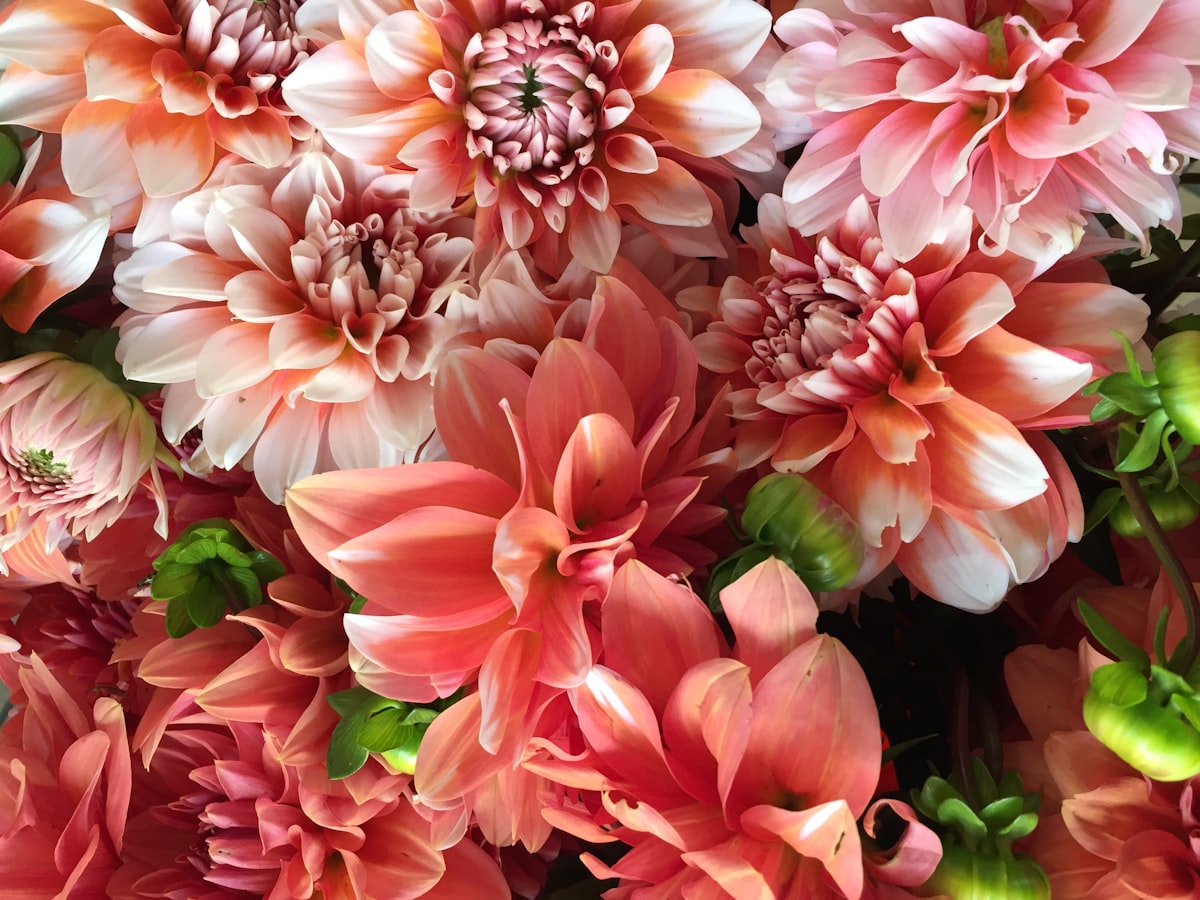
Choosing flowers that are naturally in season during fall saves money (15 to 25 percent compared to out-of-season imports) and ensures the freshest, most vibrant blooms.
In-Season Fall Flowers
- Dahlias: The queen of fall flowers. Available in every color from blush to near-black. Cafe au lait dahlias remain the most requested variety for autumn weddings.
- Chrysanthemums: Available in dozens of shapes and colors. Football mums make dramatic statement pieces, while spider mums add texture.
- Ranunculus: Tight, layered petals in warm tones. Less expensive than garden roses with a similar romantic look.
- Amaranthus: Cascading, deep red tassels that add drama and movement to bouquets and centerpieces.
- Sunflowers: Perfect for rustic or bohemian fall weddings. Pair with burgundy elements to avoid looking too casual.
- Celosia: Velvety, brain-like blooms in warm reds, oranges, and yellows. Unique texture that photographs beautifully.
Foliage and Greenery
- Eucalyptus: Silver dollar or seeded varieties drape beautifully in garlands and bouquets.
- Pampas grass: Still trending for ceremony arches and aisle arrangements, though its peak popularity has plateaued.
- Dried grasses and seed pods: Add texture and movement. They also dry well for keepsakes.
- Fall leaves and branches: Free and abundant. Maple, oak, and birch branches add height and seasonal color to arrangements.
The Tariff Factor: Why Silk and Dried Flowers Matter in 2026
Here is something most guides do not mention: 80 to 88 percent of flowers sold in the United States are imported, primarily from Colombia, Ecuador, and the Netherlands. Recent tariff increases have pushed imported flower costs up significantly, making locally grown and alternative options more attractive than ever.
High-quality silk flowers have improved enough that many guests cannot tell the difference. A silk and dried flower bouquet costs 40 to 60 percent less than fresh, lasts forever as a keepsake, and eliminates the stress of flowers wilting during a warm September afternoon.
Bouquet Styles by Aesthetic
- Romantic and classic: Garden roses, ranunculus, and eucalyptus in a round, hand-tied arrangement.
- Bohemian: Loose, asymmetrical bouquet with pampas grass, dried elements, and cascading amaranthus.
- Moody and dramatic: Dark dahlias, burgundy roses, deep plum calla lilies, and trailing ribbon.
- Rustic harvest: Sunflowers, wheat, hypericum berries, and textured greenery in a hand-tied bundle.
Fall Wedding Food and Drink Ideas
Autumn is arguably the best season for wedding food. Guests are ready for warmth, comfort, and rich flavors after months of light summer fare.
Seasonal Menu Ideas
- Appetizers: Butternut squash soup shooters, baked brie with honey and walnuts, roasted root vegetable crostini, apple and goat cheese flatbread
- Entrees: Braised short ribs, herb-crusted pork tenderloin, roasted chicken with root vegetables, wild mushroom risotto (vegetarian option)
- Sides: Maple-glazed carrots, roasted Brussels sprouts with bacon, sweet potato gratin, wild rice pilaf
Signature Fall Cocktails and Drinks
- Apple cider mule: Hard apple cider, ginger beer, bourbon, cinnamon stick garnish
- Mulled wine station: Warm red wine with cloves, cinnamon, orange peel (offer a non-alcoholic mulled cider version)
- Hot chocolate bar: Dark, milk, and white chocolate options with marshmallows, whipped cream, and peppermint (ideal for November weddings)
- Pumpkin spice espresso martini: The 2026 crowd-pleaser
Dessert Alternatives Worth Considering
Traditional wedding cake is no longer the default. Recent data shows couples increasingly choosing dessert tables and late-night snack stations over a single cake. Popular fall alternatives:
- S’mores station: Provide a fire pit or tabletop s’mores setup with artisan marshmallows and chocolate varieties
- Mini pie bar: Apple, pumpkin, pecan, and mixed berry in individual portions
- Donut wall: Apple cider donuts, pumpkin spice, and classic glazed
- Late-night snack station: Tacos, pizza, or grilled cheese served after 10 PM to keep the dance floor going
Collect meal preferences and dietary restrictions early
Include meal preference questions in your online RSVP so responses automatically appear alongside each guest’s attendance status, making catering coordination much easier. Ask about dietary restrictions (vegetarian, vegan, gluten-free, allergies) at the same time. This gives your caterer accurate counts weeks before the event, not the night before, and avoids scrambling to accommodate last-minute requests.
Weather-Proofing Your Celebration
Weather is the single biggest variable in fall wedding planning. A 70-degree October afternoon can drop to 50 degrees by the time the reception starts. Having a plan for every scenario is not pessimistic: it is practical.
Rain Contingency Plans
Every outdoor fall wedding needs a Plan B. Options include:
- Venue with indoor backup: The simplest solution. Many barn, estate, and garden venues offer covered or indoor spaces included in the rental.
- Clear-top tent: Provides shelter while maintaining the outdoor feel. Costs $2,000 to $8,000+ depending on size and region.
- Ceremony-only coverage: If budget is tight, rent a tent or marquee for just the ceremony and move the reception indoors.
- Umbrella station: Provide clear or white umbrellas for guests as a practical (and photogenic) backup.
Pro tip: Set your weather decision deadline 48 hours before the event. Communicate the plan to your vendor team, and if needed, send a quick update to guests through your wedding website.
Keeping Guests Warm
Temperature management is the secret to a successful fall outdoor wedding. Solutions by budget:
- Budget-friendly: Blanket baskets at ceremony seats ($3 to $8 per fleece throw), hot drink station, ceremony duration under 30 minutes
- Mid-range: Patio heaters ($75 to $150 each to rent), fire pit at cocktail hour, pashmina favors for guests
- Premium: Enclosed clear tent with HVAC, heated flooring for dance area, multiple fire features throughout the venue
The Golden Hour Advantage
Fall golden hour is shorter but more dramatic than summer. In October, golden hour begins approximately 45 minutes before sunset (around 5:15 to 6:00 PM depending on your region). Schedule couples portraits during this window for the richest, warmest light of the day.
Work backward from sunset when building your timeline. An October ceremony at 4:00 PM gives you time for the ceremony, a brief cocktail transition, and portraits during that magic window before the reception begins.
Seasonal Attire and Guest Comfort
What you and your guests wear matters more in fall than any other season because temperature swings can be dramatic within a single event.
Bride and Wedding Party
- Long-sleeve gowns: Lace, illusion, or crepe long sleeves are practical and elegant for cooler temperatures
- Layering pieces: Faux fur stoles, cashmere wraps, velvet capes, or leather jackets for outdoor portraits
- Closed-toe shoes: A smart choice for outdoor fall venues where ground may be soft or damp
- Bridesmaid considerations: Avoid sleeveless styles for November weddings unless the entire event is indoors. Velvet or chiffon with sleeves in jewel tones or deep autumn hues photograph well.
Groom and Groomsmen
- Tweed or wool suits: Seasonal fabrics that look great and keep everyone warm
- Deeper hues: Navy, charcoal, forest green, or burgundy suits instead of traditional black
- Vests and layers: A vest under the jacket adds warmth and visual interest, especially for outdoor portraits
- Accessories: Leather shoes, patterned ties or pocket squares in seasonal colors
Guest Attire Guidance
Save your guests the “what do I wear?” stress. Include attire suggestions on your wedding website with specific guidance like: “Cocktail attire. The ceremony is outdoors on a lawn, so we recommend closed-toe shoes. Temperatures may drop to the low 50s in the evening, so bring a layer.”
Best Venue Types for Autumn Weddings
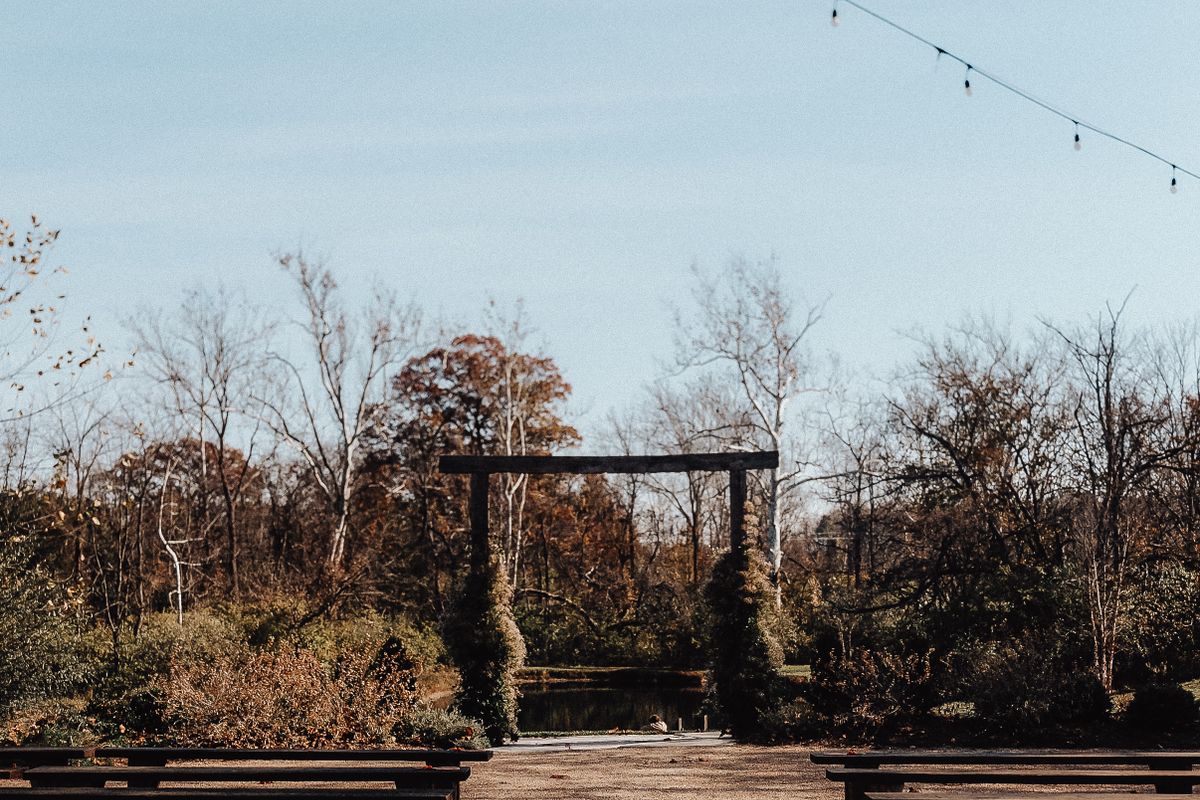
The right venue amplifies autumn’s natural beauty. The best fall wedding venues offer both outdoor beauty and indoor backup.
Barns and Farmsteads
Rustic barns are a natural fit for fall weddings, offering built-in character with exposed beams, wooden walls, and that coveted warm, golden interior light. Many barn venues include surrounding grounds for outdoor ceremonies with the barn as a rain backup. Budget range: $3,000 to $15,000 for the venue rental.
Estates, Mansions, and Historic Homes
A 2026 venue trend worth noting: immersive, character-rich spaces like historic mansions, boutique hotels, and glass conservatories are gaining popularity over blank-canvas ballrooms. These spaces provide built-in decor (fireplaces, chandeliers, architectural detail) that reduces your decoration budget. Guests describe these venues as “an experience,” not just a location.
Vineyards and Orchards
Vineyards offer rows of color-changing vines as a natural backdrop, while apple orchards provide a quintessentially autumn setting. Many include on-site wine or cider tasting as part of the guest experience. Peak season at vineyards: September through October during harvest.
Indoor/Outdoor Hybrid Spaces
The ideal fall venue offers seamless transition between indoor and outdoor spaces: a garden ceremony followed by a covered or indoor reception, or a tented cocktail hour with an indoor dinner. Look for venues with large doors, covered patios, or attached terraces that keep the outdoor feeling without the weather risk.
Fall Wedding Planning Timeline
Average couples spend 12 to 14 months planning a wedding. Here is a fall-specific timeline that accounts for seasonal vendor demand and key deadlines.
12 to 14 Months Before (Now, for Fall 2027)
- Set your budget and guest count range (80 to 150 guests is the current average)
- Book your venue (October Saturdays fill 12 to 18 months ahead, and 📊 Joy platform data confirms fall couples start planning a median of 7 months before their date, so earlier is better)
- Hire a photographer and videographer
- Set up your wedding website early so guests can access travel information, accommodation details, event schedules, FAQs, and updates as your plans come together
9 to 11 Months Before
- Book caterer, DJ or band, and florist
- Choose your wedding party
- Begin dress shopping (alterations take 2 to 4 months)
- Start your gift registry so early guests can browse
6 to 8 Months Before
- Send save-the-dates (📊 Joy data shows fall wedding couples create their save-the-dates a median of 7.5 months before the event, so aim for 6 to 8 months out)
- Book officiant, hair and makeup artists, transportation
- Finalize your color palette and decor plan
- Order invitations
- Research and book hotel room blocks for out-of-town guests
3 to 5 Months Before
- Mail invitations (8 weeks before the wedding is standard)
- Finalize menu with caterer
- Schedule cake or dessert tasting
- Plan ceremony details (readings, vows, music)
- Book rehearsal dinner venue
1 to 2 Months Before
- Confirm all vendor details and timelines
- Final dress fitting
- Create seating chart
- Apply for marriage license
- Prepare weather backup plan and communicate it to your vendor team
Final Week
- Confirm final headcount with caterer
- Check the 10-day weather forecast
- Prepare vendor tips and final payments
- Post any last-minute updates (parking, weather attire) on your wedding website
- Rehearsal and rehearsal dinner
Stay organized through every phase
Set up your wedding website early so guests can access travel info, accommodation details, event schedules, and updates as plans come together. A detailed planning timeline and checklist keeps vendor deadlines, payments, and to-do items in one place.
Budget Considerations for Fall Weddings
Fall wedding costs vary significantly by month and region. Here is what to expect:
- September and October: Peak demand. Venue and vendor costs are comparable to summer wedding pricing. Average U.S. wedding cost in 2024 was approximately $33,000.
- November (non-holiday): Often 10 to 20 percent less expensive than peak fall months due to lower demand.
- Holiday weekends: Add 15 to 30 percent premium for Labor Day, Columbus Day, or Thanksgiving-adjacent dates.
Budget allocation as a general guideline: venue and catering (45 to 50 percent), photography and video (10 to 12 percent), flowers and decor (8 to 10 percent), attire (5 to 8 percent), music and entertainment (5 to 8 percent), everything else (remaining).
One smart 2026 trend: intentional spending. Rather than spreading your budget thin across every category, identify two or three priorities (food quality, photography, florals) and invest there. Reduce spending in categories that matter less to you. Couples who take this approach consistently report higher satisfaction with their wedding day.
Fall Wedding Photography Tips
Autumn light is a photographer’s dream, but the shorter days and variable weather require planning. Here is how to get the most out of your fall wedding photos.
Plan Around Golden Hour
Fall golden hour is shorter and lower in the sky than summer, creating richer, warmer tones. In October, golden hour begins roughly 45 minutes before sunset (around 5:15 to 6:00 PM depending on your location). Work backward from sunset when scheduling your ceremony and portraits. A 4:00 PM ceremony gives time for the service, a brief transition, and couple portraits during peak light.
Use Foliage as a Backdrop
Peak foliage eliminates the need for elaborate floral arches or backdrops. Position your ceremony or portraits in front of a tree line or vineyard row at peak color. Ask your photographer to scout the venue one to two weeks before the wedding to identify the best natural backdrops and predict how the leaves will look on your date.
Prepare for Low Light
With sunset arriving before 6:00 PM in most regions by late October, much of your reception will happen after dark. Discuss low-light capabilities with your photographer. Off-camera flash, uplighting, and candle-lit tables all create beautiful evening photos when the photographer is prepared for them.
Layering Pieces Make Great Photos
A faux fur stole, a leather jacket, or a velvet cape adds visual interest and texture to portraits that a bare-shouldered summer gown cannot. Plan a wardrobe detail shot with your photographer to capture those seasonal elements.
Capture the Details
Fall weddings are full of photogenic details that deserve their own shots: pumpkin place card holders, velvet runners, seasonal cocktails, fire pit gatherings, blanket baskets, and dessert tables. Give your photographer a shot list of the seasonal elements you invested in so nothing is missed.
Weather Contingency Shots
If it rains, embrace it. Some of the most memorable wedding photos happen under umbrellas or on covered porches with rain in the background. A photographer who is prepared for weather can turn a rainy day into a dramatic, moody photo story.
Fall Wedding Planning Checklist
Use this printable checklist to stay on track with every seasonal detail. Check off each item as you go.
12+ Months Before
- Set budget and guest count range
- Research and book venue (prioritize indoor backup options)
- Hire photographer and videographer
- Set up your wedding website
- Start your gift registry
9 to 11 Months Before
- Book caterer, DJ or band, and florist
- Choose wedding party
- Begin dress shopping
- Decide on fall color palette
6 to 8 Months Before
- Send save-the-dates
- Book officiant, hair and makeup, transportation
- Reserve hotel room blocks
- Plan weather contingency (tent rental, indoor backup, heaters)
- Finalize decor plan and source seasonal elements
3 to 5 Months Before
- Send invitations (8 weeks before is standard)
- Finalize menu with caterer (seasonal ingredients)
- Schedule cake or dessert tasting
- Plan ceremony details (readings, vows, music)
- Book rehearsal dinner venue
- Set up online RSVP with meal preference and dietary restriction questions
1 to 2 Months Before
- Confirm all vendor details and timelines
- Final dress fitting (bring layering pieces for fitting)
- Create seating chart
- Apply for marriage license
- Prepare weather backup plan and share with vendors
- Order blankets, umbrellas, or pashminas if needed
Final Week
- Confirm final headcount with caterer (from your guest list manager)
- Check 10-day weather forecast and make rain call if needed
- Post weather attire guidance on wedding website
- Prepare vendor tips and final payments
- Confirm heating equipment delivery and setup (fire pits, patio heaters)
- Rehearsal and rehearsal dinner
Frequently Asked Questions
What months are best for a fall wedding?
October is the most popular month for fall weddings because it offers peak foliage, mild temperatures (50 to 70 degrees in most regions), and comfortable conditions for both indoor and outdoor events. September is ideal for couples who want warmer weather, while November works well for budget-conscious couples willing to plan around Thanksgiving.
What are the fall wedding colors for 2026?
The top fall 2026 wedding color palettes include earth brown with burgundy, sunset tones (peach, rust, and burnt orange), jewel tones (emerald, sapphire, and ruby), and moody palettes built on black, deep plum, and forest green. Silver metallics are emerging as a popular accent over traditional gold.
How far in advance should I book vendors for a fall wedding?
Book your venue 12 to 18 months ahead, especially for October Saturdays. Photographers, caterers, and bands should be secured 9 to 12 months before. Florists and other vendors can often be booked 6 to 9 months out. November dates are more flexible, with some vendors available on shorter timelines.
How do I weather-proof a fall outdoor wedding?
Start with a venue that has an indoor backup option. Rent a clear-top tent for the ceremony or reception as a rain contingency ($2,000 to $8,000+). Provide blankets or wraps for guests during the ceremony. Set up patio heaters or fire pits for cocktail hour. Communicate the weather plan to vendors and guests 48 hours before the event.
What flowers are in season for fall weddings?
In-season fall flowers include dahlias (the most popular choice, available in dozens of colors), chrysanthemums, ranunculus, amaranthus, sunflowers, and celosia. Eucalyptus and pampas grass are widely available year-round and pair well with seasonal blooms. Choosing in-season flowers can save 15 to 25 percent compared to imported, out-of-season alternatives.
Is a fall wedding more expensive than a summer wedding?
September and October weddings are comparable in cost to peak summer months, as fall is now one of the most popular wedding seasons. November weddings (excluding Thanksgiving week) tend to cost 10 to 20 percent less. Holiday weekends in any fall month typically carry a 15 to 30 percent premium for venue and vendor pricing.
