

Last Updated on July 7, 2026 by Joy Editors
Wedding flowers set the visual tone for your entire day. Here is exactly how to find, vet, and book a florist who can bring your vision to life (without blowing your budget).
Quick answer: Start your florist search 9 to 12 months before your wedding. Ask for referrals from your venue and other vendors, review portfolios for style alignment, request itemized quotes from at least three florists, and sign a contract that specifies substitution policies and delivery timelines before paying any deposit.
Before You Contact Florists: Your Preparation Checklist
Walking into a consultation unprepared wastes everyone’s time. Complete this checklist before you reach out to a single florist, and your first meetings will be dramatically more productive.
Pre-Contact Checklist
- Confirm your wedding date and venue (florists need both to quote accurately)
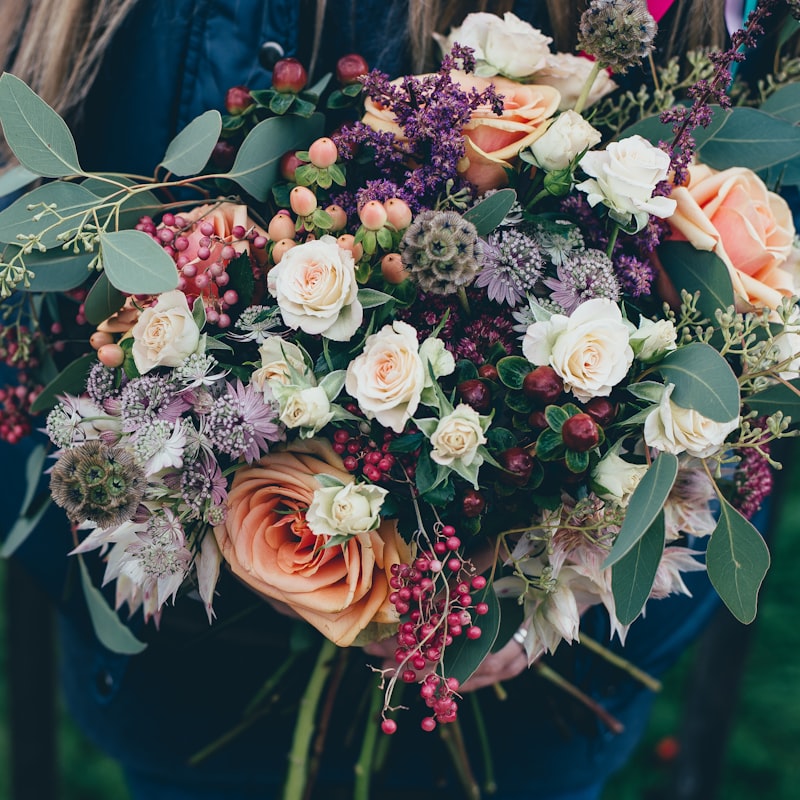
- Collect 15 to 20 inspiration images (Pinterest boards, Instagram saves, magazine clips)
- Write down 3 to 5 adjectives that describe your desired look (lush, minimal, wild, structured, monochromatic)
- Know your approximate guest count (affects centerpiece count and overall scale)
- Set a floral budget range (see price ranges below)
- Ask your venue coordinator and photographer for 2 to 3 florist referrals each
- Note any floral allergies in the wedding party
- Decide which floral elements are must-haves vs. nice-to-haves (bouquet, arch, centerpieces, boutonnieres)
- Get photos of your venue, especially the ceremony and reception spaces
- Photo of your dress or attire (helps the florist match bouquet scale and color)
Editor’s Note
Couples who arrive with a clear budget range and 15+ inspiration images get significantly better proposals on the first round. Florists have said this is the single biggest factor in a productive first consultation.
1. Start Your Search Early
The best wedding florists book out 9 to 12 months in advance, especially for peak season dates (May through October). Waiting until 3 to 4 months before your wedding significantly limits your options.
Book your venue first, then your photographer, then your florist. Flowers are one of the first visual elements guests notice, and locking in your florist early gives you more time to refine the design together.
2. Define Your Style Before Reaching Out
Florists work best when couples arrive with a clear direction. Before your first consultation, collect 15 to 20 inspiration images from Pinterest, Instagram, or wedding blogs. Note the colors, textures, and overall mood that appeal to you.
Common wedding floral styles include:
- Garden/romantic: loose, lush arrangements with soft colors and trailing greenery
- Modern/minimalist: structured shapes, monochromatic palettes, architectural stems
- Bohemian: wildflower-inspired, earthy tones, dried elements mixed with fresh blooms
- Classic/formal: symmetrical arrangements, roses and peonies, white and ivory palettes
Editor’s Note
If you are drawn to multiple styles, that is normal. Bring all your inspiration images and let the florist help you find the thread that connects them. A good florist can blend elements from different aesthetics into something cohesive.
3. Ask Your Venue and Other Vendors for Referrals
Your venue coordinator has watched dozens of florists work their space. They know who delivers on time, who handles logistics well, and whose work photographs beautifully in that specific light. Ask for two or three names.
Your photographer is another excellent source. They have seen how different florists’ work looks in photos, which matters more than most couples realize. Flower colors can shift in editing, so a florist who understands how blooms photograph is a real advantage.
Editor’s Note
When vendors recommend each other, it often means they have worked together before and communicate well. A team that already has a rhythm makes your wedding day run more smoothly.
4. Review Portfolios Critically
Every florist has a portfolio. Look beyond the prettiest photos and ask yourself:
- Does their signature style match what I want, or would they be stretching outside their comfort zone?
- Do their large-scale installations look as polished as their bouquets?
- Have they worked in venues similar to mine (barn, ballroom, outdoor, industrial)?
A florist who excels at intimate garden parties may not have experience filling a 300-person ballroom with dramatic floral arches. Match their portfolio to your actual scope.
5. Interview at Least Three Florists
Do not book the first florist you meet, even if you love them. Comparing at least three gives you a baseline for pricing, communication style, and creative approach.
Bring your inspiration images, your venue photos, and a rough guest count to every consultation. The more context you provide, the more accurate their proposals will be.
6. Ask the Right Questions
Use your consultation to get specific answers. Vague responses are a warning sign.
| Category | Questions to ask |
|---|---|
| Availability | Are you available on my date? How many weddings do you take per weekend? |
| Experience | Have you worked at my venue before? Can I see photos from that event? |
| Design process | How do you handle flower substitutions if a bloom is unavailable? Who approves changes? |
| Logistics | When do you arrive to set up? Who handles breakdown at the end of the night? |
| Budget | What is your minimum spend? Can you work within my budget, and what would that look like? |
| Contract | What is your cancellation and refund policy? What happens if you have an emergency? |
Editor’s Note
Pay attention to how the florist responds to budget questions. A good florist will tell you honestly what is achievable within your range. One who avoids the topic or dismisses your budget is a red flag.
Wedding Flower Price Ranges: What to Expect
Flower costs vary significantly by region, season, and the types of blooms you choose. Here is a realistic breakdown of what each floral element typically costs in 2026.
| Floral Element | Typical Price Range | Notes |
|---|---|---|
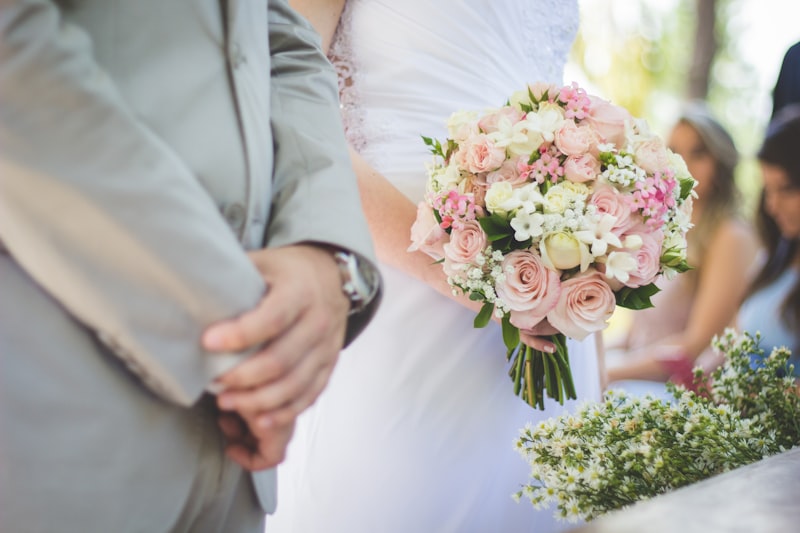
| Bridal bouquet | $150 to $400 | Premium blooms (peonies, garden roses) push toward the higher end |
| Bridesmaid bouquets (each) | $65 to $150 | Smaller than the bridal bouquet, usually 4 to 6 per wedding |
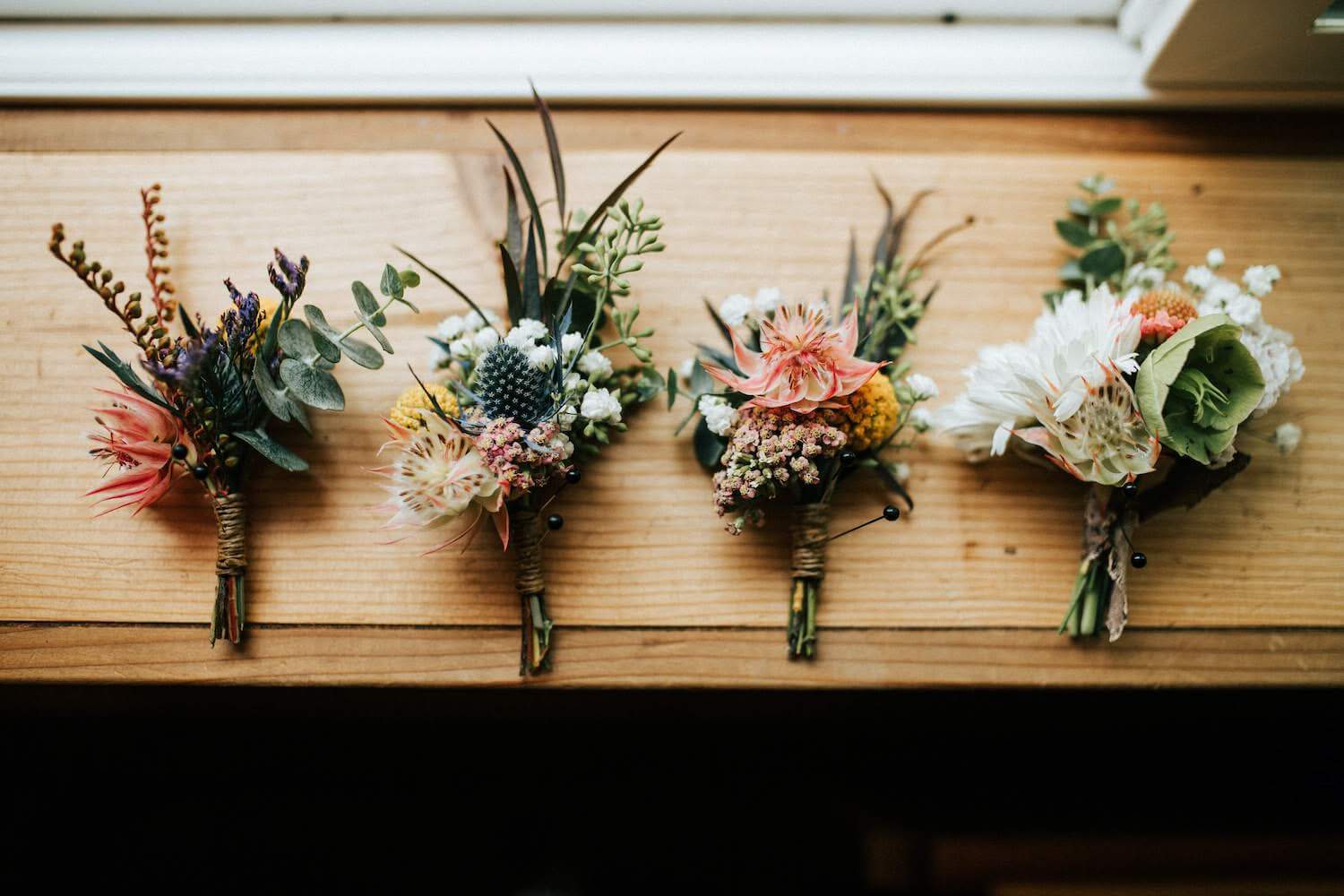
| Boutonnieres (each) | $15 to $35 | Typically needed for 4 to 8 people |
| Corsages (each) | $25 to $50 | Mothers, grandmothers, and special guests |
| Ceremony arch or altar arrangement | $500 to $3,000+ | Scale varies enormously: simple greenery vs. full floral arch |
| Centerpieces (each) | $75 to $350 | Multiply by your table count for the real number |
| Cocktail hour arrangements | $50 to $150 each | Often overlooked in initial budgeting |
| Flower girl petals | $30 to $75 | Fresh or silk depending on preference |
| Delivery, setup, and breakdown | $200 to $800 | Distance from the florist’s shop and venue complexity matter |
Editor’s Note
The most common budgeting mistake: forgetting to multiply centerpiece costs by your actual table count. Ten tables at $200 each is $2,000, not $200. Ask your florist for a total that accounts for every table in your floor plan.
7. Set a Realistic Floral Budget
Flowers typically account for 8 to 10 percent of a total wedding budget. For a $30,000 wedding, that is $2,400 to $3,000. For a $50,000 wedding, expect $4,000 to $5,000 for a full floral package.
Costs vary significantly by:
- Flower type: peonies, garden roses, and orchids cost more than carnations, chrysanthemums, and greenery
- Season: out-of-season blooms require importing and cost 20 to 40 percent more
- Scale: large floral arches and ceiling installations require significant labor beyond just materials
- Region: florists in major metro areas charge more than those in smaller markets
Editor’s Note
Ask your florist which blooms are in season on your wedding date. Seasonal flowers are fresher, more abundant, and less expensive. A skilled florist can achieve the same aesthetic with seasonal substitutions, sometimes at 20 to 30 percent less.
8. Get Itemized Quotes
Never accept a single lump-sum proposal. Ask for a line-by-line breakdown that includes:
- Bridal bouquet, bridesmaid bouquets, boutonnieres
- Ceremony arch or altar arrangements
- Centerpieces (by table count and type)
- Cocktail hour arrangements
- Delivery, setup, and breakdown fees
- Rental items (vases, vessels, stands)
Itemized quotes make it easy to compare florists accurately and identify where you can cut costs if needed.
9. Understand the Substitution Policy
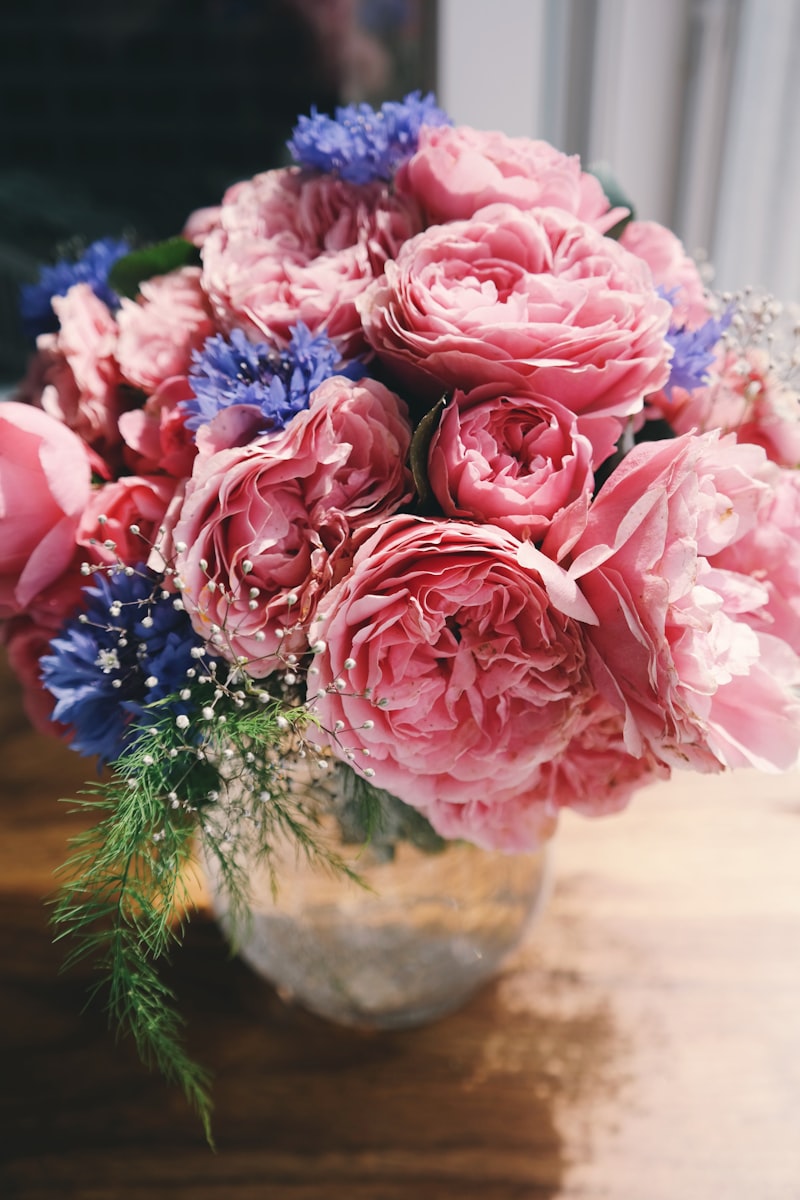
Flower availability changes. A bloom that is abundant in April may be scarce in September. Your florist should have a clear policy for substitutions: what they will replace it with, how similar it will look, and whether they notify you before making changes.
A good florist will propose substitutions that honor the spirit of your original design. A poor one will make changes without telling you. Get the policy in writing.
Editor’s Note
Ask your florist to include a “substitution tier” in the contract: same color family, similar texture, comparable size. This gives them creative room while protecting your vision.
10. Read the Contract Carefully
Before signing anything, confirm the contract includes:
- Your wedding date, ceremony and reception locations, and setup times
- A full itemized list of all floral elements
- Substitution policy in writing
- Total cost, deposit amount, and payment schedule
- Cancellation and refund terms
- What happens if the florist cannot fulfill the contract (illness, emergency)
Do not pay a deposit without a signed contract. A verbal agreement is not enough.
11. Plan for Tipping
Tipping your florist is customary but not mandatory. A standard tip is 10 to 20 percent of the total floral bill, given to the lead florist and their team on the wedding day. If the florist went above and beyond (handled a last-minute change gracefully, added extra touches, or worked through a difficult setup), lean toward the higher end.
You can also write a detailed online review, which is genuinely valuable for small floral businesses.
12. Keep Communication Open Through the Planning Process
Your vision will evolve between booking and your wedding day. Schedule a check-in call 4 to 6 weeks before the wedding to confirm the final guest count, any venue changes, and your updated inspiration board.
Send your florist the wedding day timeline so they know exactly when to arrive, when photos happen, and when breakdown begins. The more information they have, the smoother the day goes.
Once you have your vendors locked in, share all the logistics with your guests through your wedding website. You can include venue details, travel information, and your wedding day schedule in one place, so guests always know where to be and when.
Frequently Asked Questions
How far in advance should I book a wedding florist?
Book 9 to 12 months before your wedding date. For peak season dates (May through October) or popular florists, 12 months is safer. Waiting until 3 to 4 months before limits your choices significantly.
What is an appropriate tip for a wedding florist?
A standard tip is 10 to 20 percent of the total floral bill, given on the wedding day. It is customary but not required. If the florist and their team did exceptional work, tip toward the higher end and leave a detailed online review.
How much do wedding flowers typically cost?
Wedding flowers typically cost 8 to 10 percent of the total wedding budget. For most couples, this ranges from $2,000 to $6,000 depending on the scale of the event, flower types, and region. Large installations (arches, ceiling florals) add significant cost beyond standard arrangements.
Can I use a florist who has not worked at my venue before?
Yes, but ask them to visit the venue before your wedding day. Understanding the space (ceiling height, lighting, load-in logistics) helps them plan the design and setup more accurately. Many florists will do a site visit as part of their process.
What should I bring to a florist consultation?
Bring 15 to 20 inspiration images, photos of your venue, a photo of your dress, your color palette, your guest count, and a rough budget range. The more specific you are, the more useful the consultation will be.
