

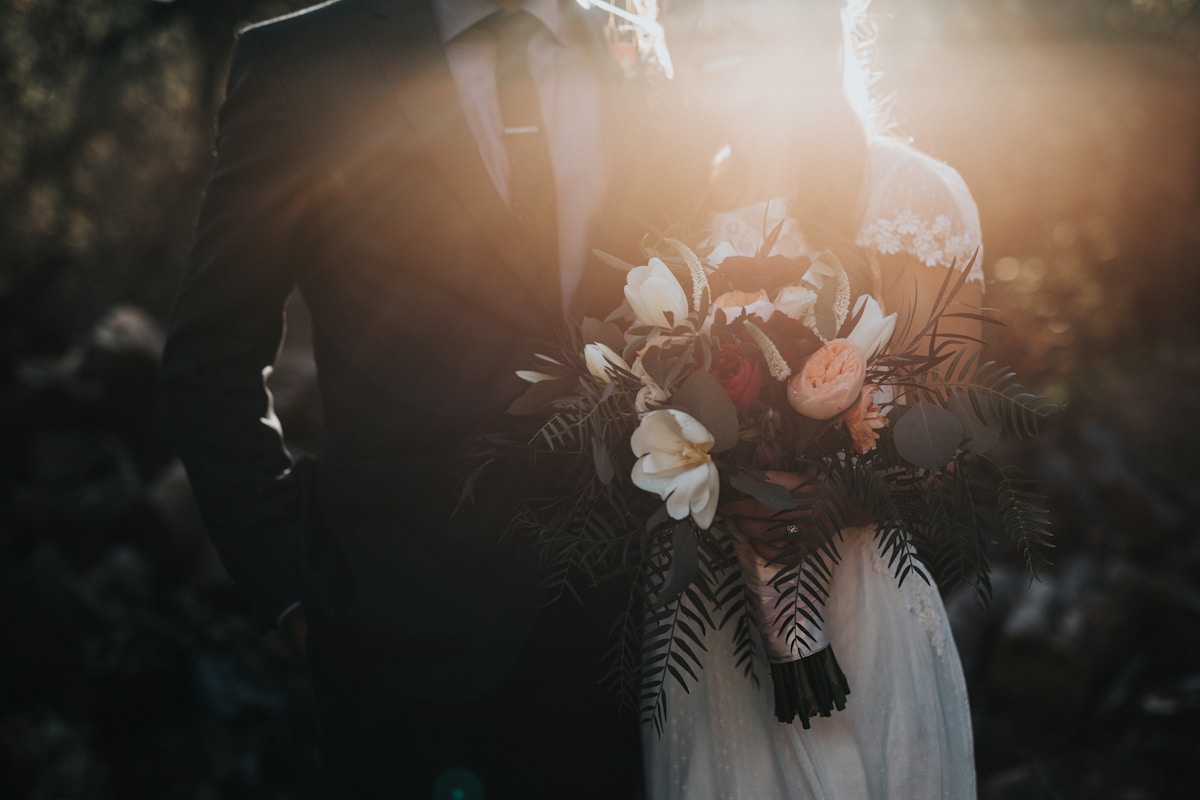
Last Updated on June 24, 2026 by Joy Editors
Wedding Vow Renewal: How to Plan One, What to Say, and What It Costs
A wedding vow renewal is a ceremony where a married couple recommits to the promises they made on their wedding day. It is not a legal wedding, so there is no marriage license, required officiant, or legal paperwork. Instead, a vow renewal is a personal celebration of the life you have built together, the challenges you have faced, and the promises you want to carry into the years ahead.
Couples renew vows for many reasons: a milestone anniversary, a new chapter after raising children, a recovery from illness, a celebration after a difficult season, a chance to include loved ones who missed the original wedding, or simply a desire to say the words again with more history behind them. A wedding vow renewal can be private and simple, with just the two of you exchanging words in a meaningful place, or it can be a full event with guests, attire, flowers, music, dinner, and dancing. Most vow renewals cost anywhere from $1,000 to $10,000 or more, depending on guest count, venue, photography, food, travel, and how closely the event resembles a wedding.
This guide explains what a wedding vow renewal is, when to have one, how to plan it, what to say, what to wear, how much it costs, and how it differs from a wedding.
What Is a Wedding Vow Renewal?
A wedding vow renewal is a symbolic ceremony for an already married couple. The couple may repeat their original vows, write new vows, exchange rings again, include readings, invite children or family members to participate, or create a ceremony that reflects who they are now.
Because a vow renewal is not a legal marriage ceremony, the rules are flexible. You do not need a licensed officiant, witnesses, a marriage license, or a county filing. You can invite a friend to lead the ceremony, ask a child to read a poem, have a religious leader bless the marriage, or simply speak directly to each other with no officiant at all.
The purpose is emotional, not legal. A wedding vow renewal honors what the marriage has become.
When and Why to Renew Your Vows
There is no required time to renew vows. Some couples do it after one year because their original wedding was small or stressful. Others wait for a major anniversary, such as five, ten, twenty-five, or fifty years.
Common Reasons Couples Plan a Vow Renewal
- A milestone anniversary: Five, ten, twenty, twenty-five, or fifty years can be a natural moment to reflect and celebrate.
- A major life transition: Moving, retirement, becoming empty nesters, or welcoming grandchildren can make couples want to mark a new chapter.
- A hard season survived together: Illness, loss, distance, financial stress, or family challenges can deepen the meaning of recommitment.
- A wedding redo: Some couples had a courthouse wedding, elopement, pandemic wedding, or small ceremony and later want to celebrate with family and friends.
- A blended family moment: A renewal can include children, stepchildren, or grandchildren in a way the original wedding could not.
- A destination celebration: Some couples renew vows during a trip, cruise, resort stay, or return to a place that matters to their relationship.
How to Plan a Wedding Vow Renewal Ceremony
Planning a wedding vow renewal begins with scale. Decide whether you want a private ceremony, an intimate dinner, a backyard gathering, a destination trip, or a wedding-style event. Once you choose the level of formality, the rest of the decisions become easier.
1. Choose the Type of Celebration
A private renewal might include only the couple, a photographer, and a meaningful location. A family-centered renewal could take place at home, in a garden, at a favorite restaurant, or during an anniversary trip. A larger renewal may look closer to a wedding, with a venue, invitations, ceremony chairs, music, florals, dinner, and dancing.
Ask yourselves what you want to feel that day. Peaceful? Romantic? Grateful? Playful? Surrounded by family? Your answer should guide the guest count, venue, schedule, and budget.
2. Set a Budget
Wedding vow renewal budgets vary widely. A simple private ceremony may cost under $1,000 if you already have attire and choose a free location. A small dinner party may cost $1,000 to $5,000. A larger hosted event with food, flowers, photography, rentals, and music can reach $10,000 or more.
Unlike a wedding, there are fewer expectations. You can skip the wedding party, formal processional, favors, registry, and many traditional expenses. Spend where it will matter most to you, such as photography, travel, a special meal, or a ceremony location with emotional meaning.
3. Pick a Venue
Popular vow renewal venues include beaches, gardens, backyards, parks, restaurants, houses of worship, hotels, private estates, wineries, and destination resorts. Choose a place that fits the guest count, weather plan, accessibility needs, and mood of the ceremony.
If the location is public, check permit rules. If the event is at home, consider parking, restrooms, seating, sound, lighting, and rain plans. If you are traveling, ask the resort or venue whether they offer vow renewal packages and what is included.
4. Create the Attendee List
A vow renewal guest list can be as small as two people or as large as a wedding reception. Many couples invite immediate family, close friends, and people who have supported the marriage over time. Use guest list to organize invitees, households, plus-ones, mailing details, and attendance notes in one place.
There is no obligation to invite everyone who attended your wedding. A vow renewal can reflect your current life, current relationships, and current priorities.
5. Send Invitations or Announcements
If you are hosting guests, send invitations about six to eight weeks before the event, or earlier for destination plans. The wording can be formal, casual, romantic, or family-focused. If you are announcing a private renewal after it happens, send a short note with a photo and a few words about what the day meant.
For a polished invitation experience, wedding invitations can help you share the details in a style that fits the tone of your celebration. If you are writing invitation wording, ceremony notes, or a short announcement, free AI writing tool can help you turn your ideas into personalized text in minutes.
6. Collect RSVPs and Share Details
Even a smaller renewal is easier to plan when you know who is attending. Use online RSVP to collect responses, meal choices, and guest notes. A wedding website can also give guests one place to find the schedule, hotel information, dress code, travel details, and photos from your original wedding or life together.
Wedding Vow Renewal Ceremony Outline
A vow renewal can be as structured or simple as you want. Since it is symbolic, you can adapt the order to fit your relationship and beliefs.
Sample Ceremony Outline
- Processional or entrance: The couple enters together, with children, or from opposite sides.
- Welcome: The officiant, friend, or couple thanks guests for being present.
- Opening reflection: A few words about marriage, time, gratitude, and recommitment.
- Reading or music: Include a poem, song, prayer, letter, or family reading.
- Personal remarks: The couple may share what the marriage has meant so far.
- Renewed vows: Each partner speaks new vows or repeats original vows.
- Ring exchange or blessing: The couple may exchange rings again or bless the rings they already wear.
- Family moment: Children, parents, or friends may offer a reading, toast, or blessing.
- Closing words: The officiant or couple closes the ceremony.
- Celebration: Guests move to dinner, cake, photos, champagne, or dancing.
What to Say During a Wedding Vow Renewal
The best vow renewal wording sounds like your real relationship. You do not need perfect poetry. Talk about what you promised on your wedding day, what you understand now, what you are grateful for, and what you promise for the next season of marriage.
Start with a simple structure. First, remember where you began. Next, name what you have lived through together. Then, speak directly to the person in front of you. End with promises that feel current, specific, and honest.
Struggling to find the right words? free AI writing tool can help you draft personalized vow renewal wording in minutes. It is especially helpful if you have the feelings but need a clearer way to shape them into vows, toasts, love stories, or ceremony text.
Vow Renewal Writing Prompts
- What do you know about love now that you did not know on your wedding day?
- What moment best represents your marriage?
- What has your spouse helped you become?
- What challenge are you proud to have faced together?
- What small everyday habit makes you feel loved?
- What do you promise for the next chapter?
Sample Vow Renewal Wording
Romantic sample: “When I married you, I promised to love you for the rest of my life. Today, I understand that promise more deeply. I have seen your strength, your patience, your humor, and your heart in ordinary days and difficult ones. I still choose you, not because our life has been perfect, but because our love has become more real with every year. I promise to keep listening, laughing, forgiving, learning, and building a life with you.”
Short sample: “I loved you then, I love you now, and I will keep choosing you in every season ahead. Thank you for the life we have made together. Today, I renew my promise to stand beside you with patience, honesty, gratitude, and joy.”
Family-centered sample: “Our love has grown into a family, a home, and a story I am proud to share. Thank you for the years of partnership, the lessons, the laughter, and the people we have become together. I renew my vows with a full heart and a clear promise: I will keep showing up for you and for the life we are still creating.”
Wedding Vow Renewal vs Wedding: Key Differences
A wedding and a wedding vow renewal can look similar, but they serve different purposes. A wedding creates a legal marriage. A vow renewal celebrates an existing one.
| Detail | Wedding | Wedding vow renewal |
|---|---|---|
| Legal status | Creates a legal marriage | Symbolic only |
| License | Marriage license required | No license required |
| Officiant | Must meet local legal requirements | Optional, any meaningful person can lead it |
| Guest expectations | Often includes formal traditions | Flexible and personal |
| Gifts | Common, especially with a registry | Usually not expected |
| Tone | Beginning of marriage | Celebration of continued commitment |
Because gifts are not usually expected, many couples include “Your presence is the only gift we need” on the invitation or event site. If guests ask, you can suggest a favorite charity or simply tell them that celebrating together is enough.
What to Wear to a Wedding Vow Renewal
You can wear whatever makes the occasion feel special. Some people wear white again, some rewear or redesign their original wedding outfit, and others choose a cocktail dress, suit, jumpsuit, dinner jacket, cultural attire, resort look, or something completely nontraditional.
Let the venue and tone guide the outfit. A beach renewal may call for light fabrics and comfortable shoes. A formal dinner may suit a gown or tuxedo. A backyard celebration may feel right with a dress, linen suit, or polished separates. If children or grandchildren are participating, you may want coordinated colors rather than matching outfits.
Wedding Vow Renewal Cost Breakdown
A wedding vow renewal can be modest or elaborate. The biggest cost drivers are guest count, location, food, photography, attire, and travel.
| Expense | Typical range | Notes |
|---|---|---|
| Venue or permits | $0 to $5,000 or more | Public parks may need permits. Resorts and private venues vary widely. |
| Photography | $500 to $4,000 or more | Many couples prioritize photos because the event marks years of marriage. |
| Food and drinks | $25 to $200 or more per guest | A dinner party can be the main celebration after the ceremony. |
| Attire | $100 to $2,000 or more | Ranges from a simple outfit to formalwear or a redesigned wedding look. |
| Flowers and decor | $100 to $3,000 or more | Keep it simple with a bouquet and candles, or add ceremony florals and tablescapes. |
| Music or entertainment | $200 to $3,000 or more | Options include a playlist, solo musician, DJ, or live band. |
| Invitations and stationery | $0 to $500 or more | Digital invitations help keep costs lower. |
| Officiant or ceremony leader | $0 to $800 or more | Optional for renewals, but helpful for a structured ceremony. |
For a private renewal, a realistic budget might be $500 to $2,000 for attire, photography, flowers, and dinner. For a small hosted event, expect $2,000 to $7,500. For a larger destination or wedding-style celebration, $10,000 or more is possible.
Wedding Vow Renewal Etiquette
Vow renewal etiquette is flexible, but a few guidelines help guests understand the event. Make it clear that the couple is already married and that the gathering is a recommitment ceremony. Avoid language that sounds like a legal wedding unless you are intentionally hosting a wedding-style celebration after a private marriage years earlier.
Gifts are usually not expected. A wedding party is optional and often unnecessary. If you invite guests to travel, give them enough notice and provide clear schedule details.
The most important etiquette rule is to make the event feel sincere. A vow renewal should reflect the marriage you have, not a performance of the wedding you think you should have had.
Frequently Asked Questions About Wedding Vow Renewals
What is a wedding vow renewal?
A wedding vow renewal is a symbolic ceremony where an already married couple recommits to their marriage vows. It does not create a legal marriage and does not require a license.
When should you renew your vows?
You can renew your vows whenever it feels meaningful. Many couples choose milestone anniversaries such as five, ten, twenty-five, or fifty years, while others plan a renewal after a major life event or difficult season.
Do you need an officiant for a vow renewal?
No. Since a vow renewal is not legally binding, you do not need a licensed officiant. A friend, family member, religious leader, celebrant, or the couple themselves can lead the ceremony.
How much does a wedding vow renewal cost?
A wedding vow renewal can cost under $1,000 for a simple private ceremony or more than $10,000 for a larger celebration with guests, food, photography, flowers, travel, and entertainment.
Do guests bring gifts to a vow renewal?
Gifts are usually not expected for a vow renewal. Many couples add a note that says the guests’ presence is the only gift needed. If guests ask, you can suggest a charity or a personal note instead.
What should you say in vow renewal vows?
Vow renewal vows often include memories from the marriage, gratitude for your spouse, lessons learned, and promises for the next chapter. The best wording is personal, specific, and honest.
