

Last Updated on August 5, 2026 by Joy Editors
Summer wedding costs vary widely depending on location, guest count, and style, with outdoor celebrations often running higher for tents, climate control, and portable facilities. The most critical planning steps: book venues 12 to 18 months ahead, schedule ceremonies after 4 PM to avoid peak heat, prepare a written weather backup plan (many couples face unexpected weather changes), and send save-the-dates at least six months in advance.
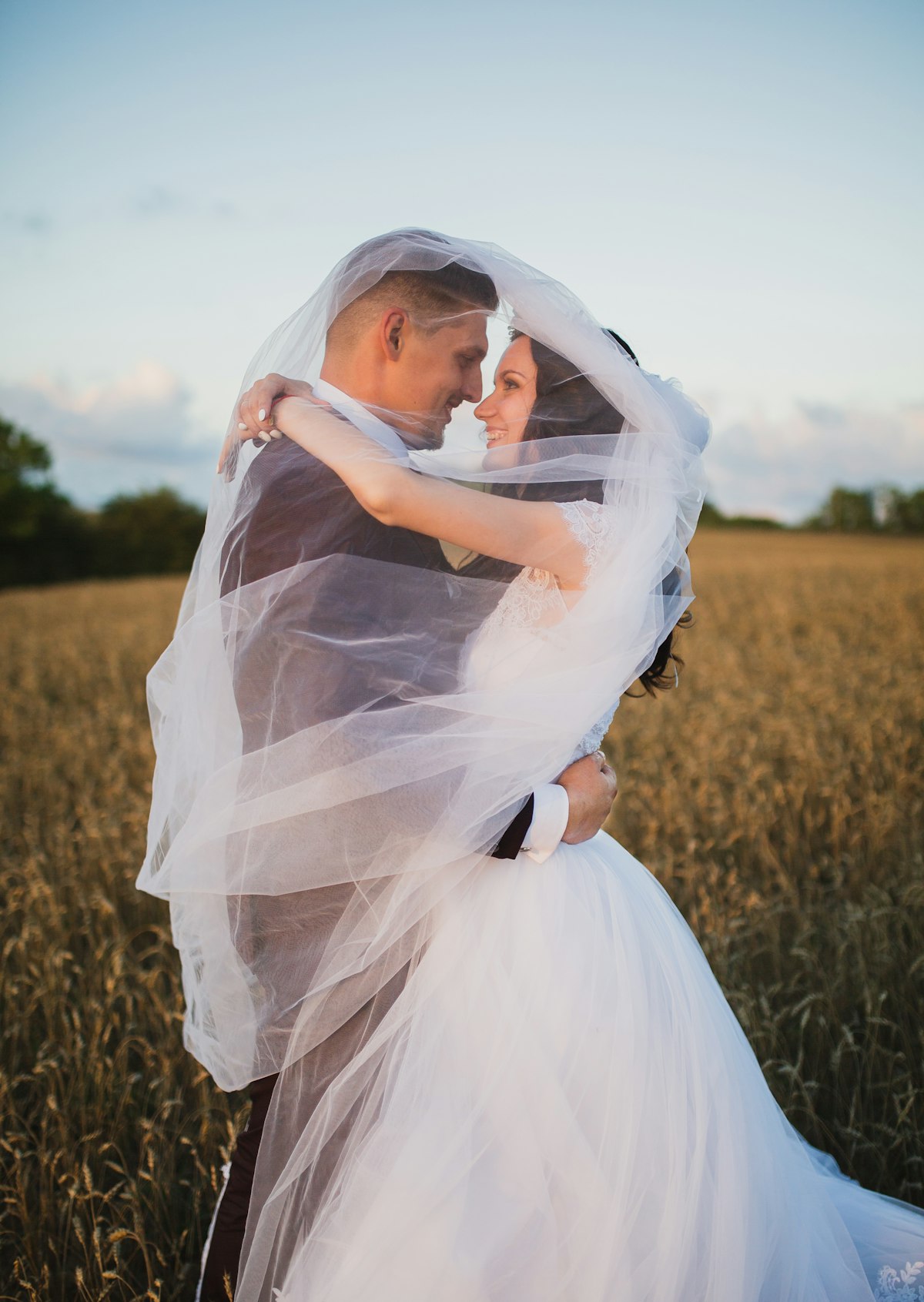
Summer weddings offer long golden hours, in-season blooms, and the kind of warmth that makes outdoor celebrations feel effortless. But that warmth also brings weather risks, vendor competition, and budget surprises that catch couples off guard.
This guide covers everything you need to plan a summer wedding: a month-by-month timeline, realistic budget guidance, venue selection tips, weather contingency planning, guest comfort strategies, and style ideas shaping the season.
What Makes Summer Weddings Unique
June, July, and August account for a large share of all U.S. weddings, making summer the most competitive booking season. That popularity comes with real advantages and real tradeoffs.
The Advantages
- Extended daylight: 14 to 16 hours of light in most U.S. regions, giving photographers more flexibility and couples longer receptions
- Peak bloom season: Peonies, dahlias, sunflowers, hydrangeas, and garden roses are all in season, which can lower floral costs compared to importing off-season stems
- Outdoor venue access: Gardens, vineyards, beaches, barns, rooftops, and backyard celebrations all become viable, with significantly more outdoor venue options than any other season
- Guest availability: School breaks and vacation schedules make it easier for families to travel
The Challenges
- Higher costs: Summer outdoor weddings often run above indoor equivalents due to tent rentals, portable restrooms, generators, and climate control
- Weather unpredictability: Many couples face at least one weather-related disruption, from sudden storms to extreme heat
- Vendor premiums: Peak-season surcharges are common for photographers, florists, and caterers
- Heat management: Temperatures above 85 degrees Fahrenheit require active cooling solutions to keep guests comfortable
Editor’s Tip: After covering hundreds of weddings across every season, I will say this: summer is worth the premium. The light alone changes everything. A June golden hour lasts nearly twice as long as a December one, and that extra time translates into more relaxed portraits, warmer toasts, and a reception that does not feel rushed. Yes, you will pay more for vendors and rentals. But the atmosphere you get in return is genuinely difficult to replicate indoors.
Summer Wedding Timeline: A 12-Month Checklist
Planning a summer wedding on a compressed timeline is more common than most people realize. Many couples get engaged in December or January and target a June, July, or August wedding six to eight months later. This timeline works backward from your wedding date.
12 to 18 Months Before
- Set an overall budget (use the 50/20/30 framework: 50% venue and catering, 20% decor, attire, and flowers, 30% everything else)
- Build your guest list draft. A guest list manager can help you organize names, track plus-ones, and sort by priority tiers from the start.
- Research and tour venues, prioritizing those with both outdoor and indoor spaces
- Book your venue (summer dates at top venues sell out 12 to 18 months in advance)
- Hire a wedding planner or coordinator if your budget allows
- Set up your wedding website to start sharing details with guests early
9 to 12 Months Before
- Book photographer, videographer, DJ or band, and caterer (summer vendors book fast)
- Start shopping for wedding attire: choose breathable fabrics such as chiffon, organza, or lightweight crepe for warm-weather comfort
- Send save the dates (aim for 6 to 8 months before the wedding)
- Reserve a hotel room block for out-of-town guests so they can lock in group rates before summer travel demand drives prices up
- Begin planning your honeymoon if traveling during peak summer season
6 to 9 Months Before
- Finalize your ceremony and reception layout, including shade structures and cooling stations
- Book florist and discuss in-season summer flowers to keep costs down
- Order or design wedding invitations (digital invitations save two to three weeks compared to traditional mail)
- Plan your menu around seasonal ingredients: stone fruits, berries, grilled vegetables, and fresh seafood
- Schedule tastings with your caterer
- Book officiant and begin writing vows
3 to 6 Months Before
- Send formal invitations (aim for 8 to 10 weeks before the wedding)
- Finalize weather contingency plan with your venue coordinator (details in the weather section below)
- Book rental items: tent, fans, misting stations, portable restrooms, lighting, and a generator if needed
- Arrange transportation for the wedding party
- Plan rehearsal dinner logistics
- Track RSVPs and meal preferences using an online RSVP system to get accurate headcounts for catering and seating
The Final Month
- Confirm all vendor details, arrival times, and setup instructions
- Finalize seating chart based on RSVP responses. Use guest tags in your online RSVP system to sort by meal preference, table assignment, or accommodation needs.
- Monitor weather forecasts starting two weeks out and activate backup plans if needed
- Update your wedding website with parking directions, dress code guidance, and any weather-related changes
- Prepare welcome bags with sunscreen, water bottles, fans, and bug spray for outdoor venues
- Do a final walkthrough of your venue to confirm shade coverage, electrical access, and restroom placement
- Delegate day-of tasks to your coordinator or a trusted friend
Pro Tip: Exact headcounts drive every outdoor logistics decision, from tent square footage to chair count to catering volume. Use an RSVP tool that updates in real time so you are never working from outdated numbers.
Budget Breakdown for a Summer Wedding
Wedding costs vary widely depending on location, guest count, and style. Summer outdoor weddings typically land above indoor equivalents due to rental and climate control needs, so it is worth budgeting for those line items from the start.
Where the Money Goes
| Category | Percentage of Budget |
|---|---|
| Venue | 30 to 40% |
| Catering and bar | 25 to 30% |
| Photography and video | 10 to 12% |
| Flowers and decor | 8 to 10% |
| Music and entertainment | 5 to 7% |
| Attire and beauty | 5 to 7% |
| Stationery and invitations | 2 to 3% |
| Outdoor rentals (tent, fans, restrooms) | 5 to 10% |
Summer-Specific Cost Drivers
Several line items are unique to warm-weather outdoor weddings. Knowing about them early prevents budget surprises later.
- Tent rental: Costs range widely depending on size and style (clear-top, sailcloth, or frame tent)
- Portable restrooms: Upscale trailer-style units are a worthwhile investment for remote venues
- Generator: Needed for venues without electrical hookups
- Cooling solutions: Industrial fans, misting systems, or portable AC units add comfort but also add cost
- Bug control: Professional mosquito treatment of the venue grounds is a small expense that makes a big difference
Ways to Save on a Summer Wedding
- Choose a Friday or Sunday: Off-peak days can significantly reduce venue and vendor costs compared to Saturday
- Host a daytime reception: Brunch or lunch receptions often cost considerably less than dinner service
- Use in-season flowers: Sunflowers, zinnias, and dahlias cost significantly less than imported off-season blooms
- Skip the tent if your venue has indoor backup: This alone can be one of the biggest single savings in your budget
- Send digital invitations: Save on printing, assembly, and postage without sacrificing design quality
Pro Tip: Per-guest costs add up fast. Trimming your guest list by even 10 people often saves enough to cover summer-specific rental costs like fans, misting stations, or upgraded restrooms.
Choosing the Right Outdoor Venue

The venue sets the tone for a summer wedding more than any other single decision. I have seen couples agonize over centerpieces and overlook the one choice that shapes every guest’s experience: where they will be standing, sitting, and celebrating for five or more hours in the heat. Each outdoor venue type comes with distinct advantages and logistical requirements.
Venue Types at a Glance
| Venue Type | Best For | Key Consideration |
|---|---|---|
| Garden or estate | Romantic, floral-heavy celebrations | Confirm shade coverage and irrigation schedule |
| Barn or farm | Rustic, relaxed atmospheres | Check for indoor backup space and ventilation |
| Beach | Casual, scenic ceremonies | Wind, sand, and permit requirements |
| Vineyard or winery | Elegant, photo-rich settings | Harvest schedule may conflict with late-summer dates |
| Rooftop | Urban celebrations with a view | No natural shade; plan for canopies or tents |
| Backyard | Intimate, budget-friendly weddings | Noise ordinances, restroom capacity, and power access |
Venue Vetting Checklist for Summer
When touring outdoor venues, ask these questions before signing a contract:
- Is there an indoor backup space or covered area included in the rental fee?
- What is the venue’s weather cancellation or postponement policy?
- How many electrical outlets are available, and is generator use permitted?
- Are there mature trees or structures that provide natural shade?
- What are the noise ordinance cutoff times?
- Is professional pest control included or available as an add-on?
- Where are the nearest restrooms, and are portable units allowed on site?
- What is the latest date to finalize the outdoor vs. indoor decision?
If many of your guests are traveling from out of town, arranging a hotel room block near the venue is one of the most thoughtful logistics moves you can make. Group rates save guests money and keep everyone close for the weekend.
Weather Contingency Planning
Weather is the single biggest variable in a summer wedding. Many couples experience at least one disruption, whether that means a passing thunderstorm, a heat advisory, or unexpected wind. A written contingency plan removes panic from the equation.
The Three Weather Scenarios to Plan For
1. Extreme heat (above 90 degrees Fahrenheit): Move the ceremony time later (5 PM or after), set up misting stations and industrial fans, ensure water stations are visible and well-stocked, and remind guests of the dress code through your wedding website so they can dress accordingly.
2. Rain: Decide in advance on a “call it” time (typically 24 to 48 hours before the ceremony) to switch to your indoor backup or tent. Make sure your tent rental contract includes sidewalls and a rain gutter system. Provide a basket of umbrellas at the entrance.
3. Wind: Secure all lightweight decor with weights or stakes. Use hurricane vases for candles instead of open flames. Test the sound system at the venue to confirm it can project above wind noise, and have a wireless backup microphone available.
Editor’s Tip: The hardest part of weather planning is not the backup itself. It is making the call. I have watched couples wait until two hours before the ceremony, hoping the radar will clear, only to scramble when it does not. Set your go/no-go deadline in advance (48 hours out for full venue switches, 24 hours for tent sidewalls and minor adjustments) and commit to it. A calm, early decision always produces a better wedding than a last-minute scramble.
Communicating Changes to Guests
When weather forces a last-minute change, your wedding website becomes the single source of truth. Update the venue page with new directions, parking instructions, or timing changes. Guests check one place instead of you fielding dozens of calls.
Pro Tip: Write your weather contingency plan as a one-page document and share it with every vendor. Include the backup location address, the decision deadline, and the communication chain (who calls whom). Vendors perform better when they know the plan before the day arrives.
Keeping Guests Comfortable Outdoors
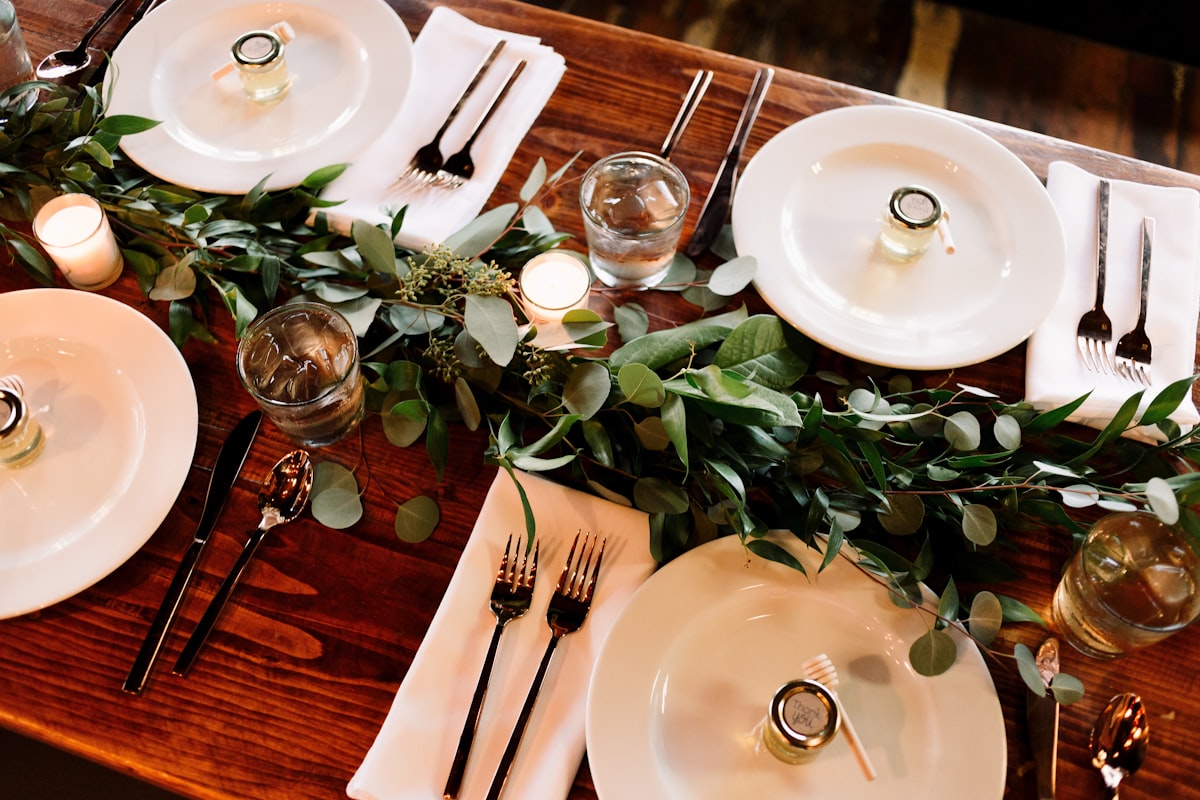
Here is the honest truth: guest comfort is what separates a memorable summer wedding from a miserable one. You can have stunning florals and a perfect playlist, but if your guests are wilting in 95-degree heat with no shade and no water, that is what they will remember. Heat, sun exposure, insects, and outdoor acoustics all require proactive solutions.
Cooling and Hydration
- Set up a water station with infused water (cucumber-mint, citrus, berry) near the ceremony entrance and reception area
- Provide handheld fans or parasols at each seat
- Place misting fans at high-traffic areas: the bar, the dance floor, and the cocktail lounge
- Serve a signature frozen cocktail or popsicle during cocktail hour
Shade and Seating
- Position ceremony seating under existing tree cover when possible
- Use market umbrellas, sailcloth canopies, or shade sails over dining tables
- Create shaded lounge areas with sofas or benches away from direct sun
- Avoid metal chairs in direct sunlight (they absorb heat and become uncomfortable quickly)
Editor’s Tip: If your ceremony is outdoors, schedule it no earlier than 5 PM in July or August. I know it compresses the timeline, but the temperature difference between 3 PM and 5 PM on a summer afternoon can be 10 degrees or more. Your guests will be more present, your makeup and hair will hold up better, and you will be that much closer to golden hour for portraits. The tradeoff is worth it every time.
Bug and Pest Control
- Schedule a professional mosquito treatment 24 to 48 hours before the wedding
- Place citronella candles or torches around the perimeter (confirm with the venue that open flames are permitted)
- Set out a basket of individual bug spray bottles near the entrance
- Avoid placing food stations near standing water or flower beds that attract insects
Sound and Music
Outdoor spaces absorb sound differently than indoor venues. Test your sound system at the actual ceremony site during the same time of day you plan to hold the event. For ceremonies, a wireless lapel mic on the officiant is more reliable than a standing microphone that competes with wind. For receptions, position speakers to face the crowd rather than pointing outward into open space.
Communicating the Dress Code
Outdoor summer weddings call for clear dress code guidance. Use your wedding website or invitation insert to specify expectations. “Garden formal” or “dressy casual” tells guests more than “cocktail attire” when the venue is a vineyard in July. Mention whether the ceremony will be on grass (so guests can choose appropriate footwear) and whether shade will be provided.
Summer Wedding Style Ideas
Wedding style evolves constantly, but certain summer-specific trends have proven staying power. Here are the ideas that continue to resonate with couples planning warm-weather celebrations.
Color Palettes
Sage green has emerged as one of the most popular wedding colors, and for good reason: it pairs beautifully with nearly every venue type and photographs well in natural light. The broader green family (olive, eucalyptus, forest) also remains a strong choice. Other popular summer palettes include:
- Coral and terracotta: Warm earth tones that pair well with outdoor settings and golden-hour light
- Fuchsia and magenta: Bold, saturated pinks that photograph well against green backdrops
- Dusty blue and cream: A softer alternative that works for both garden and coastal venues
- Citrus tones: Lemon yellow, tangerine, and lime green for couples who want a playful, vibrant palette
Comfort-Forward Attire
Breathable fabrics are no longer a compromise. Designers are creating structured silhouettes in chiffon, linen blends, and lightweight crepe that hold their shape without trapping heat. Seersucker suits and linen trousers for wedding parties are also gaining popularity for outdoor ceremonies.
Food as Experience
Interactive food stations are replacing traditional plated dinners at many summer weddings. Think build-your-own taco bars, live-fire grilling stations, artisan ice cream carts, and grazing walls with local cheeses and charcuterie. These formats can reduce per-guest costs while creating a more social dining experience.
For more visual inspiration, explore seasonal decor and styling ideas from real summer celebrations.
Seasonal Flowers, Food, and Photography Tips

In-Season Summer Flowers
Choosing flowers that are naturally in bloom during summer months saves money and ensures fresher, more vibrant arrangements. The best picks for June through August include:
- Peonies: Available through mid-June (plan early, as the season is short)
- Dahlias: Peak availability July through September, available in dozens of colors
- Sunflowers: Affordable and cheerful, ideal for rustic and casual settings
- Hydrangeas: Full, voluminous blooms that fill arrangements quickly and reduce stem count
- Garden roses: More affordable than imported varieties during summer months
- Zinnias: Budget-friendly and available in a wide color range
- Sweet peas: Delicate and fragrant, best for early summer weddings
Summer Menu Ideas
Seasonal menus taste better and cost less. Work with your caterer to build a menu around what is locally available in your region during your wedding month.
- Appetizers: Grilled peach and burrata crostini, watermelon feta skewers, chilled shrimp cocktail
- Mains: Herb-crusted grilled salmon, chimichurri steak, roasted vegetable and grain bowls
- Desserts: Seasonal fruit galettes, lavender honey ice cream, lemon bars, berry pavlova
- Drinks: Rose sangria, cucumber gin fizz, fresh-squeezed lemonade with herb infusions, craft beer from a local brewery
Photography Timing
Light quality varies dramatically across a summer day. Coordinate with your photographer to capture the best shots.
- Avoid 11 AM to 2 PM: Harsh overhead sun creates unflattering shadows and causes squinting
- Golden hour is best: The hour before sunset (typically 7 to 8 PM in summer) produces warm, even light that flatters every skin tone
- Schedule portraits strategically: First-look photos at 4 or 5 PM, ceremony at 5 or 6 PM, couple portraits at golden hour
- Scout shaded spots: Ask your photographer to identify shaded areas at the venue for midday portraits if the schedule demands earlier timing
Editor’s Tip: Golden hour gets all the attention, but do not overlook the 20 minutes right after it: the “blue hour.” The sky turns a deep, saturated blue, and if your photographer knows how to work with it, those images can be the most striking of the entire gallery. Mention it during your planning call. Most experienced wedding photographers love the chance to shoot it, but the window is short, so it needs to be on the schedule.
Bringing It All Together: Your Summer Wedding Action Plan
Planning a summer wedding is really about managing three things well: heat, timing, and logistics. Every other decision flows from those priorities. Here is how to approach it with confidence.
Lock in your venue and vendors first. Summer is the most competitive season for bookings. The earlier you secure your venue, photographer, and caterer, the more options you will have and the less you will pay in last-minute surcharges. Aim for 12 months out if possible.
Build your weather plan before you need it. Do not wait for a forecast to figure out where 150 guests will go if it rains. Write the backup plan, share it with every vendor, and set your go/no-go deadline early. A calm pivot always looks better than a panicked one.
Prioritize guest comfort as a line item, not an afterthought. Shade, hydration, cooling, and pest control are not luxuries at a summer outdoor wedding. They are essentials. Budget for them the same way you budget for florals or a DJ.
Use digital tools to stay organized. Between RSVPs, seating charts, guest meal preferences, hotel logistics, and last-minute weather updates, a summer wedding has more moving parts than most. A centralized wedding planning hub keeps everything in one place, accessible to you, your partner, and your wedding party, so nothing falls through the cracks in the final weeks.
Trust the season. For all its logistical demands, summer rewards you with long light, lush gardens, in-season blooms, and the kind of warmth that makes guests linger. Plan well, and the season does half the decorating for you.
Frequently Asked Questions
What are the top summer wedding style trends?
Popular summer wedding trends include sage green and earth-toned color palettes, interactive food stations like live-fire grilling and build-your-own taco bars, comfort-forward attire in breathable fabrics such as chiffon and linen, and bold accent colors like fuchsia and terracotta. Personalization and guest experience are driving most design choices.
How much does a summer wedding cost?
Wedding costs vary widely depending on location, guest count, and style. Summer outdoor weddings tend to run higher than indoor equivalents due to tent rentals, portable restrooms, generators, and cooling equipment. Choosing a Friday or Sunday date, using in-season flowers, and sending digital invitations are some of the most effective ways to reduce expenses.
What is the best month for a summer wedding?
June and September (early fall) offer the most moderate temperatures in most U.S. regions, making them the most comfortable months for outdoor ceremonies. July and August are popular but bring the highest heat and the greatest risk of afternoon thunderstorms. If you choose a July or August date, schedule the ceremony for 5 PM or later to avoid peak temperatures, which typically hit between 1 and 3 PM.
How do you keep guests comfortable at an outdoor summer wedding?
Set up hydration stations with infused water near the ceremony and reception areas. Provide handheld fans or parasols at each seat. Use misting fans at the bar and dance floor. Schedule professional mosquito treatment 24 to 48 hours before the event. Communicate the dress code clearly on your wedding website so guests can plan for the heat. Position shaded lounge areas away from direct afternoon sun.
What is the 50/20/30 rule for wedding budgets?
The 50/20/30 rule is a budget allocation framework: 50% goes to venue and catering (the two largest expenses), 20% covers decor, attire, and flowers, and the remaining 30% handles everything else, including photography, music, stationery, transportation, and planning fees. Apply these percentages to whatever total budget works for your situation.
