

Last Updated on August 29, 2026 by Joy Editors
A rustic wedding invitation uses natural, earthy materials and imagery, such as woodgrain textures, kraft paper, eucalyptus greenery, wildflowers, and lace, to set the tone for a barn, farm, vineyard, or countryside celebration. The style ranges from polished and elegant to relaxed and handmade. Joy offers customizable rustic designs starting at a low cost, with free edits before you send.
Rustic wedding invitations tell guests what kind of day to expect before they even open the envelope. A wood-panel background signals a barn reception. A eucalyptus wreath points toward a garden ceremony. Kraft paper and hand-lettered type suggest a relaxed, farm-to-table dinner.
This guide organizes the style by motif, not just by a scroll of pictures. Each section pairs a real design with the venue type and season it suits best, and answers the practical questions that most galleries skip: wording, cost, seasonal variation, and how to match the invitation to a full wedding website theme.
Rustic invitations have grown from a niche, DIY-leaning trend into one of the most requested styles on Joy, alongside classic and modern suites. Couples choose it because it flexes: the same base motif can look handmade with kraft stock and twine, or elevated with foil trim and a cream envelope liner. That range is part of why it works for so many venue types.
What Makes an Invitation “Rustic”?
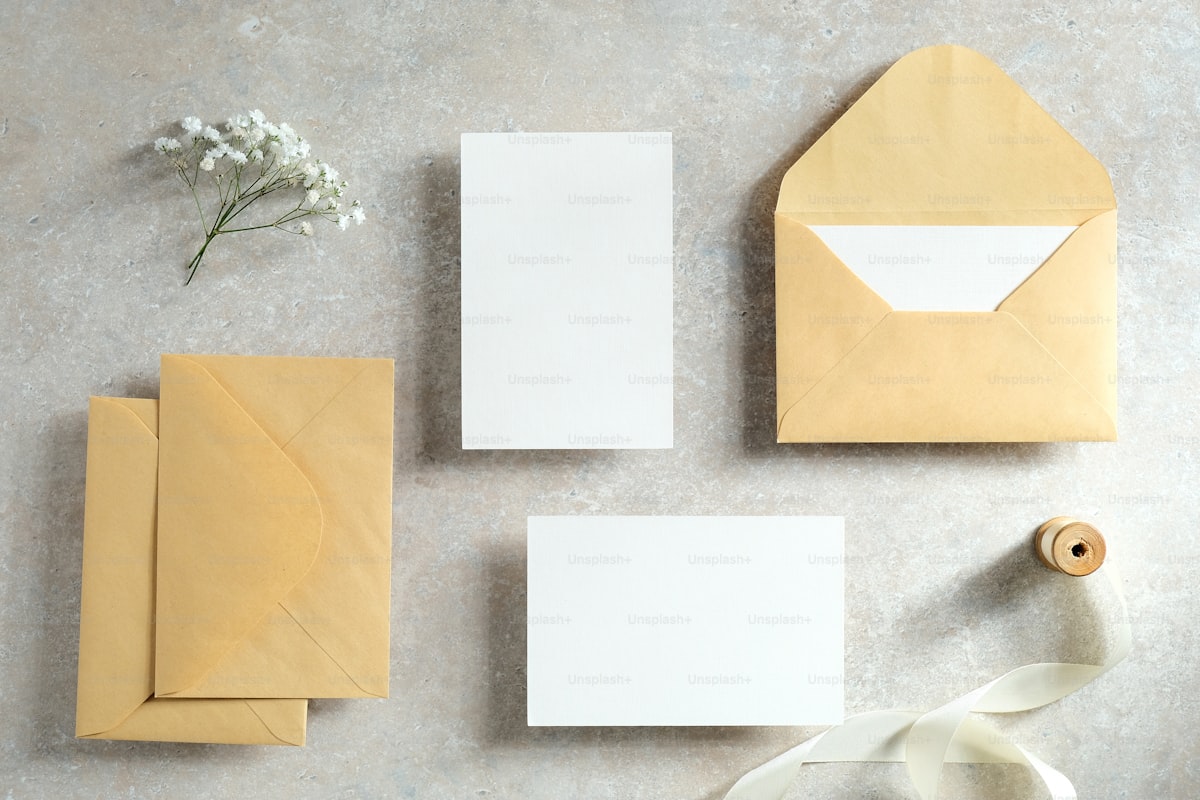
A rustic invitation borrows its materials and imagery from the outdoors. Instead of glossy foil or formal script, it leans on textures that feel handmade or found in nature.
Six elements show up again and again across rustic suites:
- Woodgrain or wood-panel backgrounds
- Kraft paper and uncoated, natural card stock
- Eucalyptus, fern, or botanical wreaths
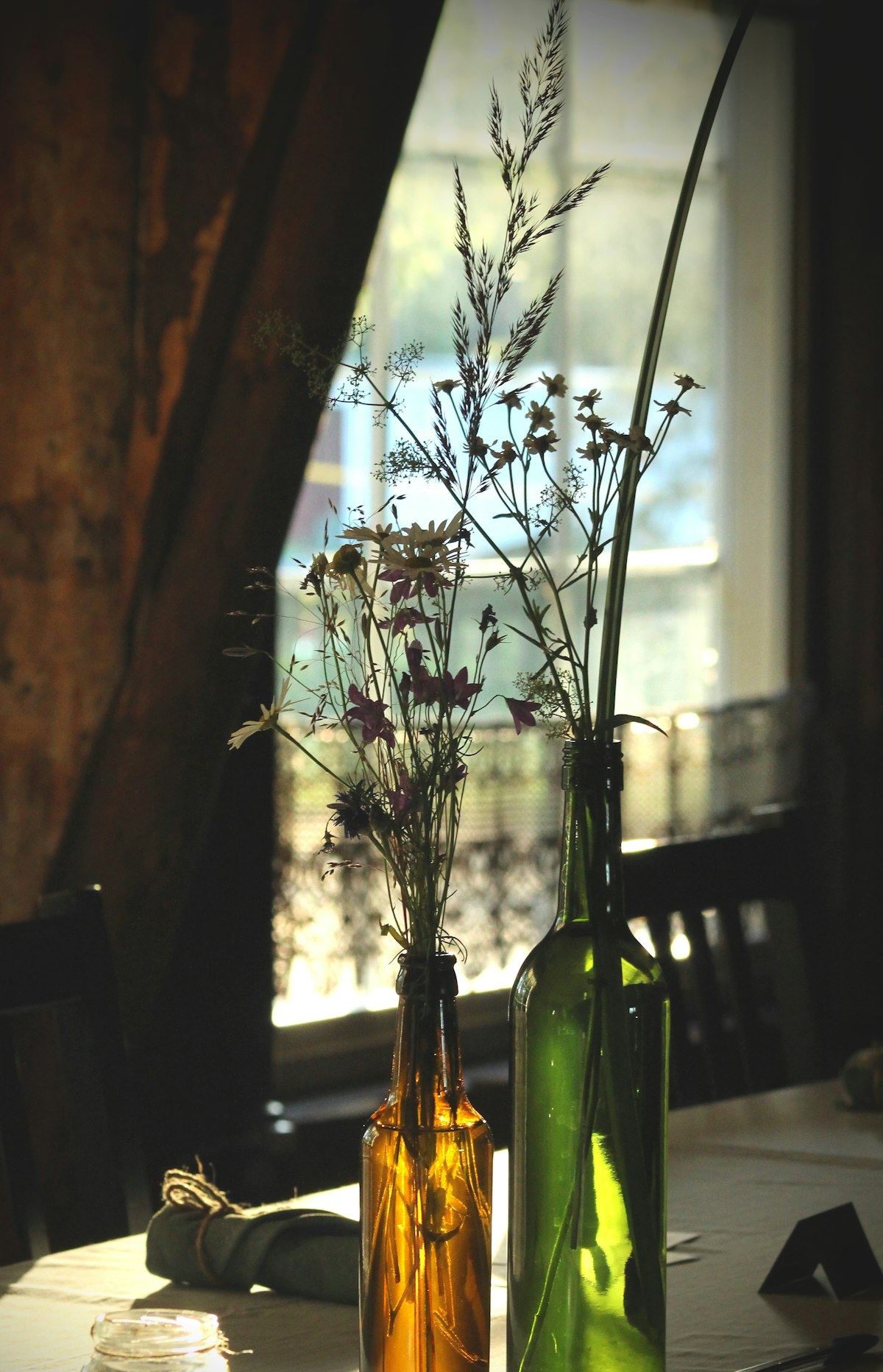
- Wildflower and hand-painted floral illustrations
- Twine, lace, or torn deckle edges
- Hand-lettered or serif typography instead of heavy script
Rustic does not mean plain. A design can carry a foil accent, a formal RSVP card, and still read as rustic if the base palette and imagery stay earthy. Couples planning a barn wedding, farm reception, vineyard celebration, or backyard tent dinner all fall under this style umbrella. If you want to see the full range before narrowing down a motif, you can browse rustic invitation designs and compare them side by side.
Rustic also differs from “country” or “farmhouse” in degree, not in kind. Country styling often adds gingham or plaid patterning on top of a rustic base. Farmhouse leans harder on white, shiplap-style backgrounds. Rustic sits as the broader category that both of those pull from.
Rustic Color Palettes to Consider
Sage green, tan, ivory, dusty blue, burgundy, and forest green are the most common rustic wedding color palettes. These tones echo the natural settings, like barns and vineyards, where rustic weddings usually happen.
Season and venue both narrow the choice further. A fall barn wedding suits burgundy and burnt orange against kraft brown. A spring garden ceremony reads better in sage and ivory. A summer vineyard wedding pairs well with dusty blue and gold. Winter rustic weddings, often held in a heated barn or lodge, lean on deep forest green and warm cream.
A simple rule: pick two main colors and one accent. Too many tones on a rustic invitation can make the natural texture look busy instead of intentional.
Rustic Invitation Styles by Motif
The following designs are real, orderable Joy invitation suites, grouped by the motif they lead with. Each one can be fully customized in wording, color, and layout before you place an order.
Woodgrain and Wood-Panel Designs
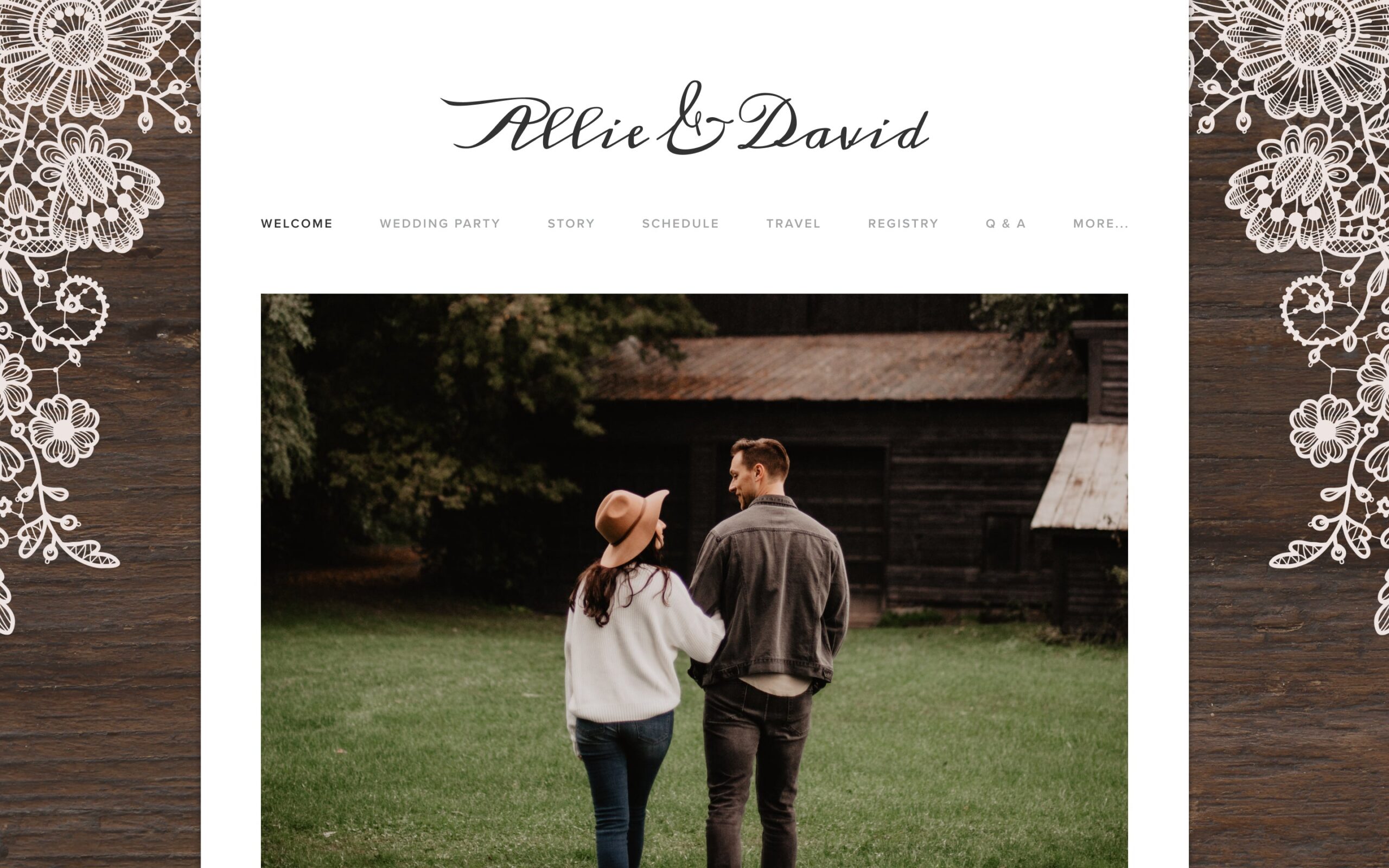
Wood-panel backgrounds are the most literal match for a barn or farmhouse venue. They work especially well printed on a slightly textured card stock, and they pair naturally with a kraft paper envelope or twine tie.
Kraft Paper and Natural Texture
Kraft paper is the most budget-friendly rustic material and one of the most versatile. It carries a warm, tactile feel that photographs well laid flat on a wooden table for save-the-date flat lays.
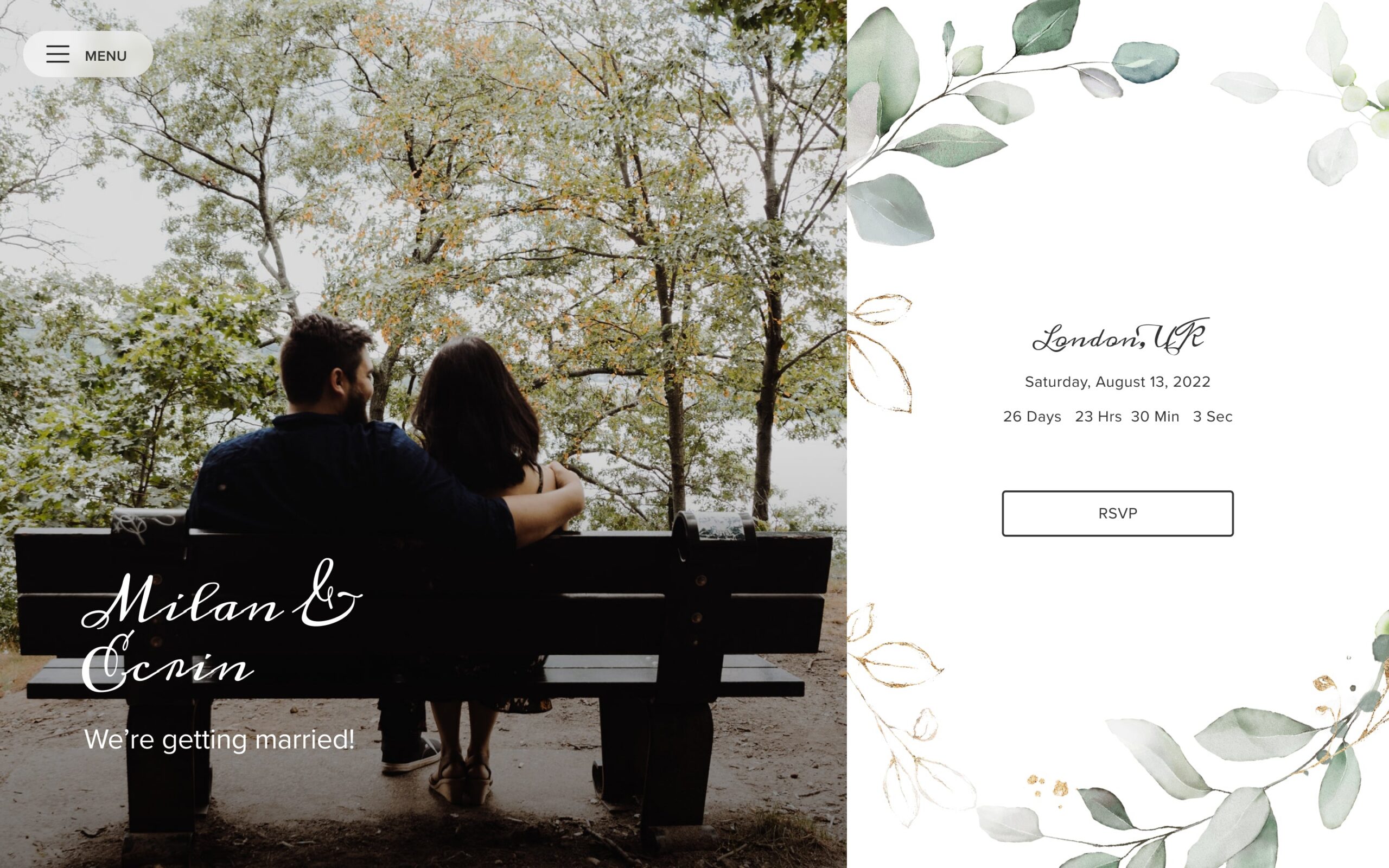
Eucalyptus and Greenery
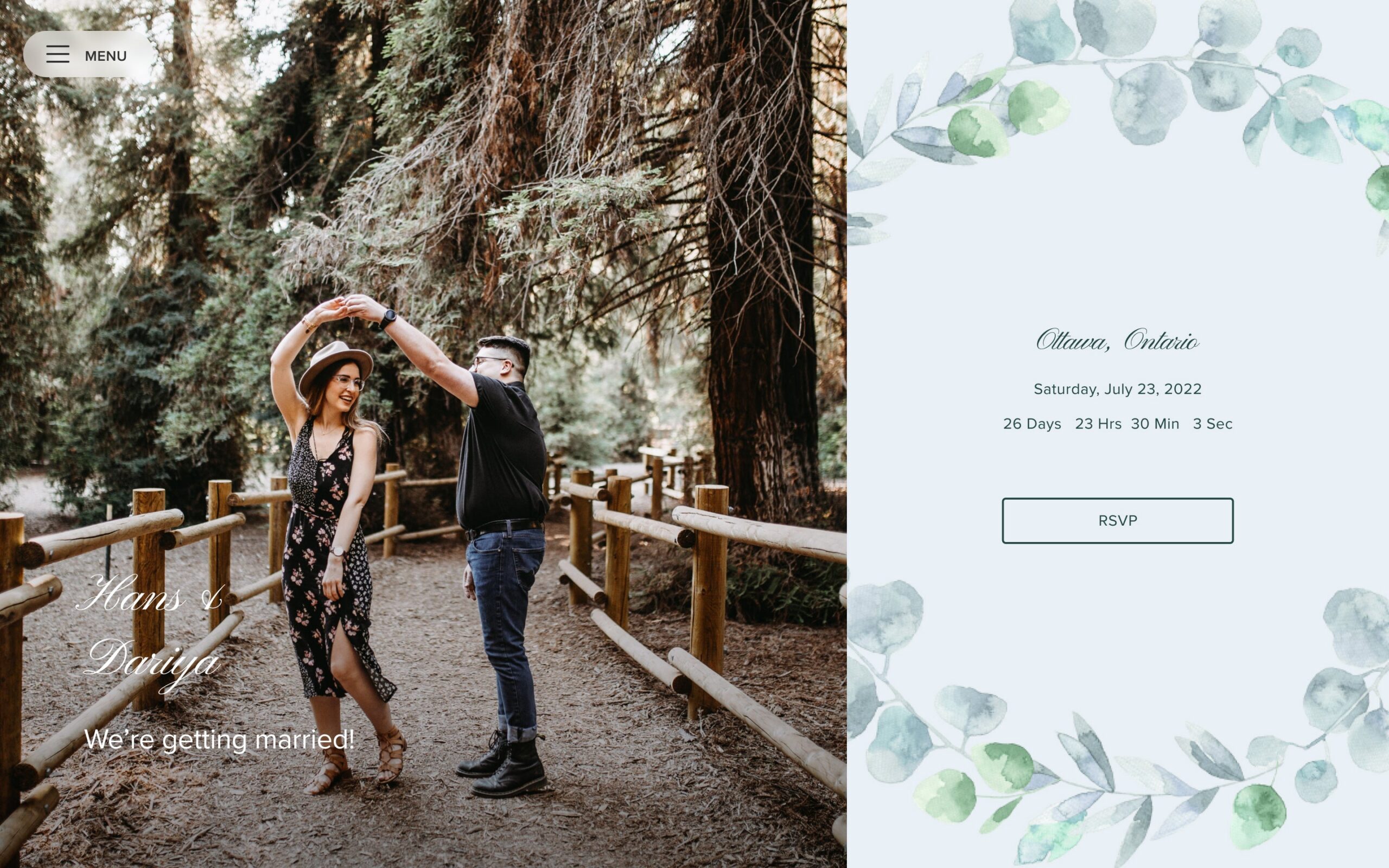
Eucalyptus is the most requested greenery motif for rustic invitations, and it shows up in two main forms: a framed wreath or a looser, trailing branch.
Wildflower and Botanical Illustrations
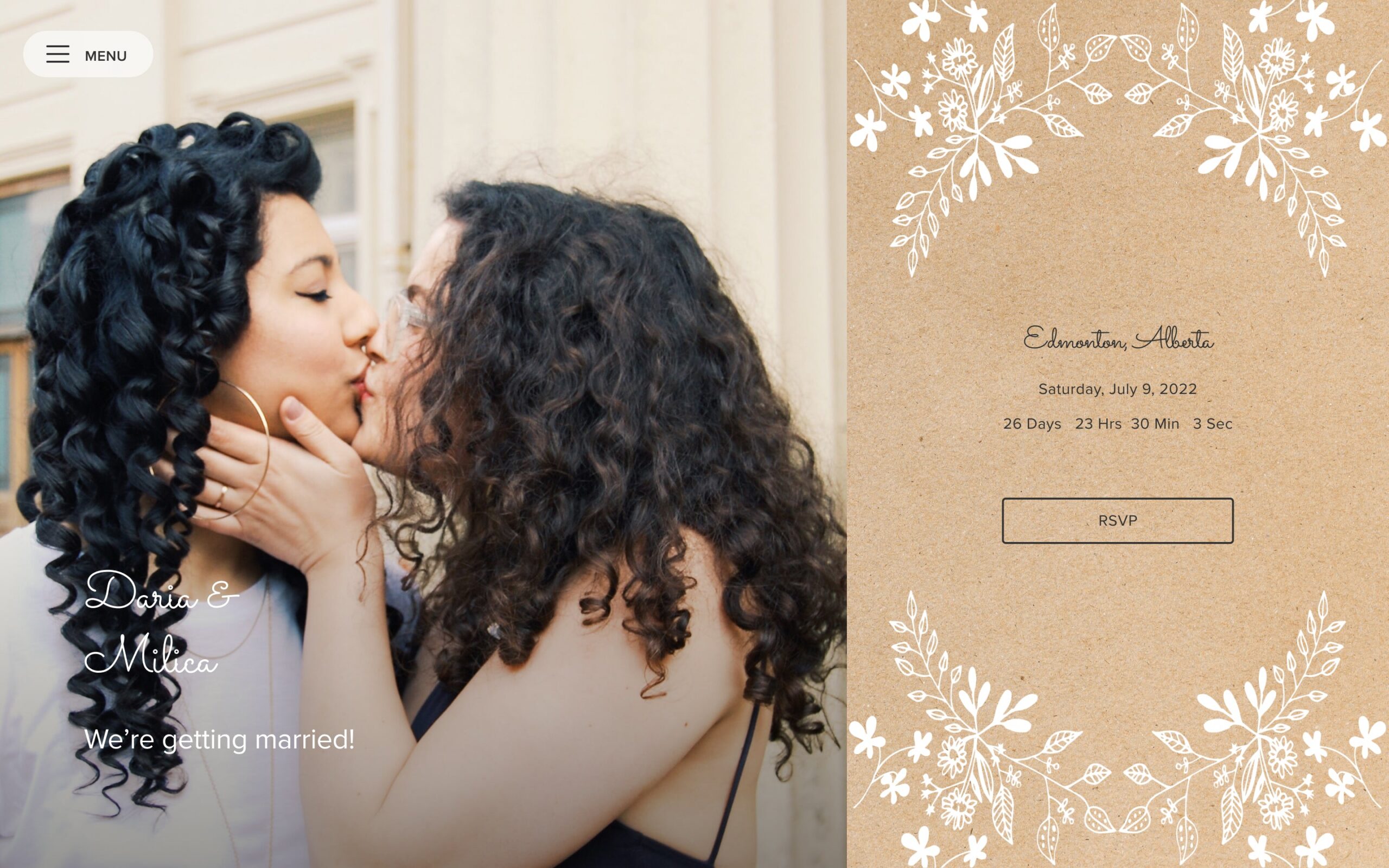
Hand-painted florals soften a rustic invitation without pushing it toward a fully formal, garden-party look. Wildflower mixes work particularly well for spring and summer dates.
Forest and Woodland Greens
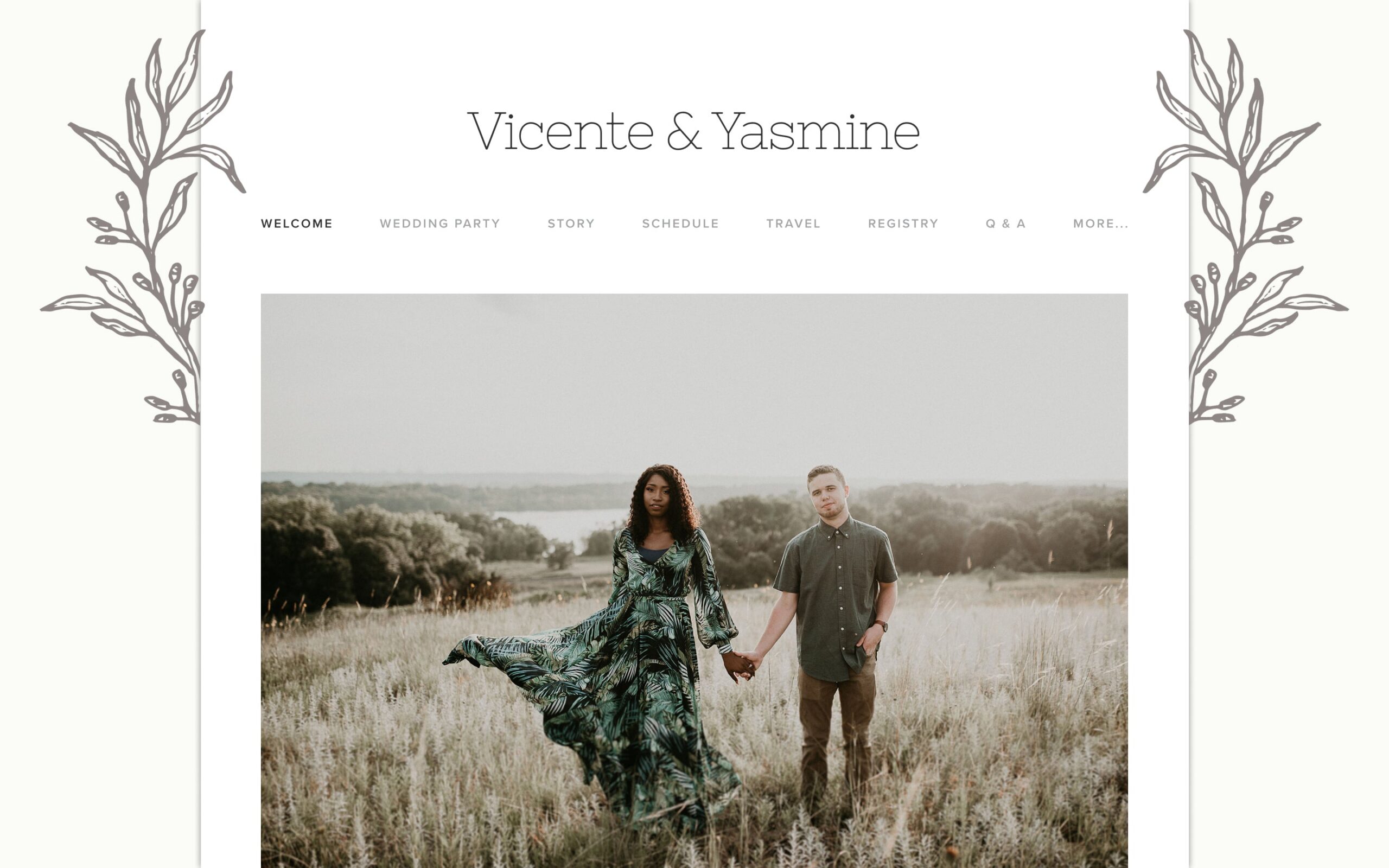
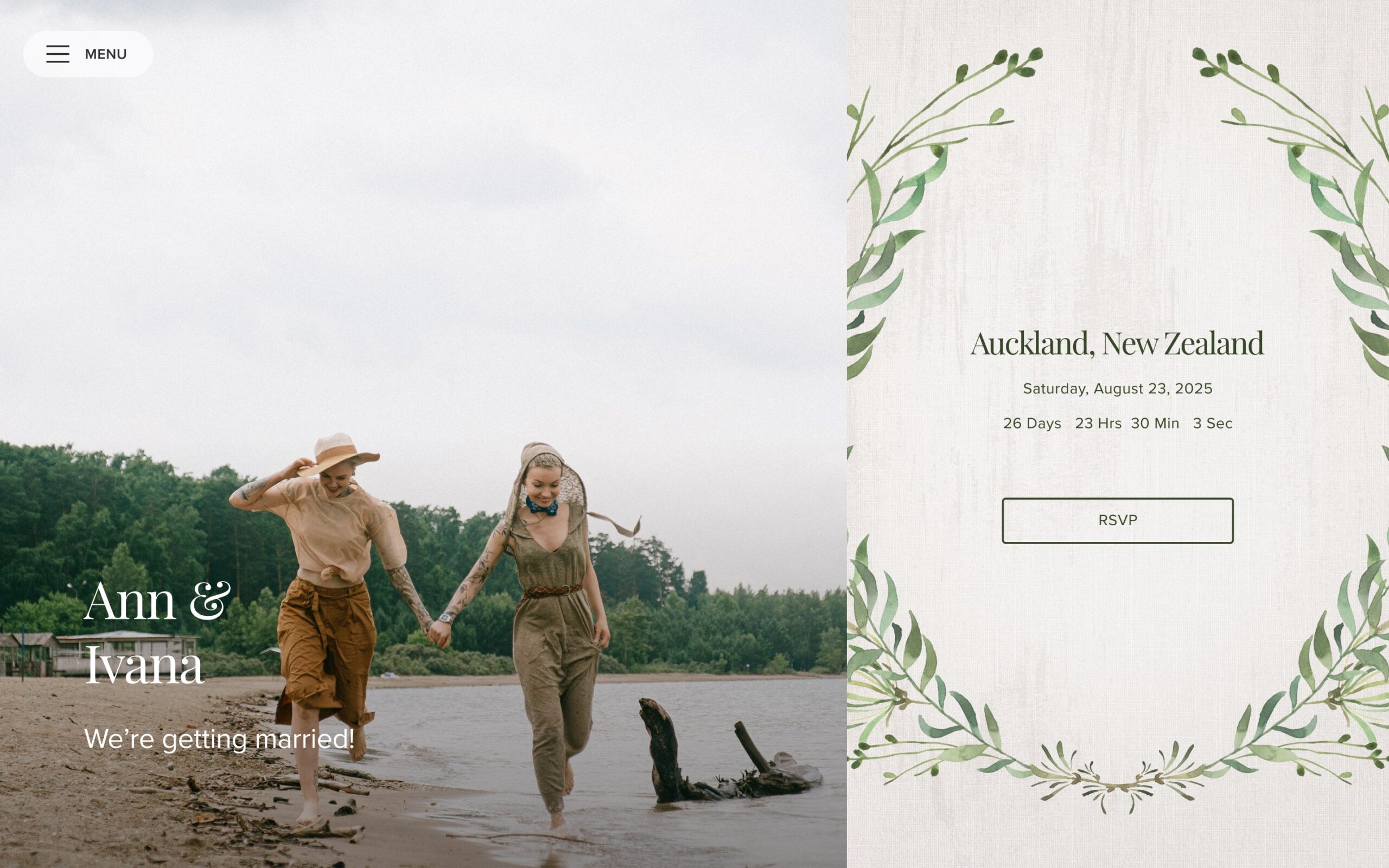
Deep green palettes work best for mountain, forest, or lodge-venue weddings, where the surrounding landscape is already dense with trees rather than open fields.

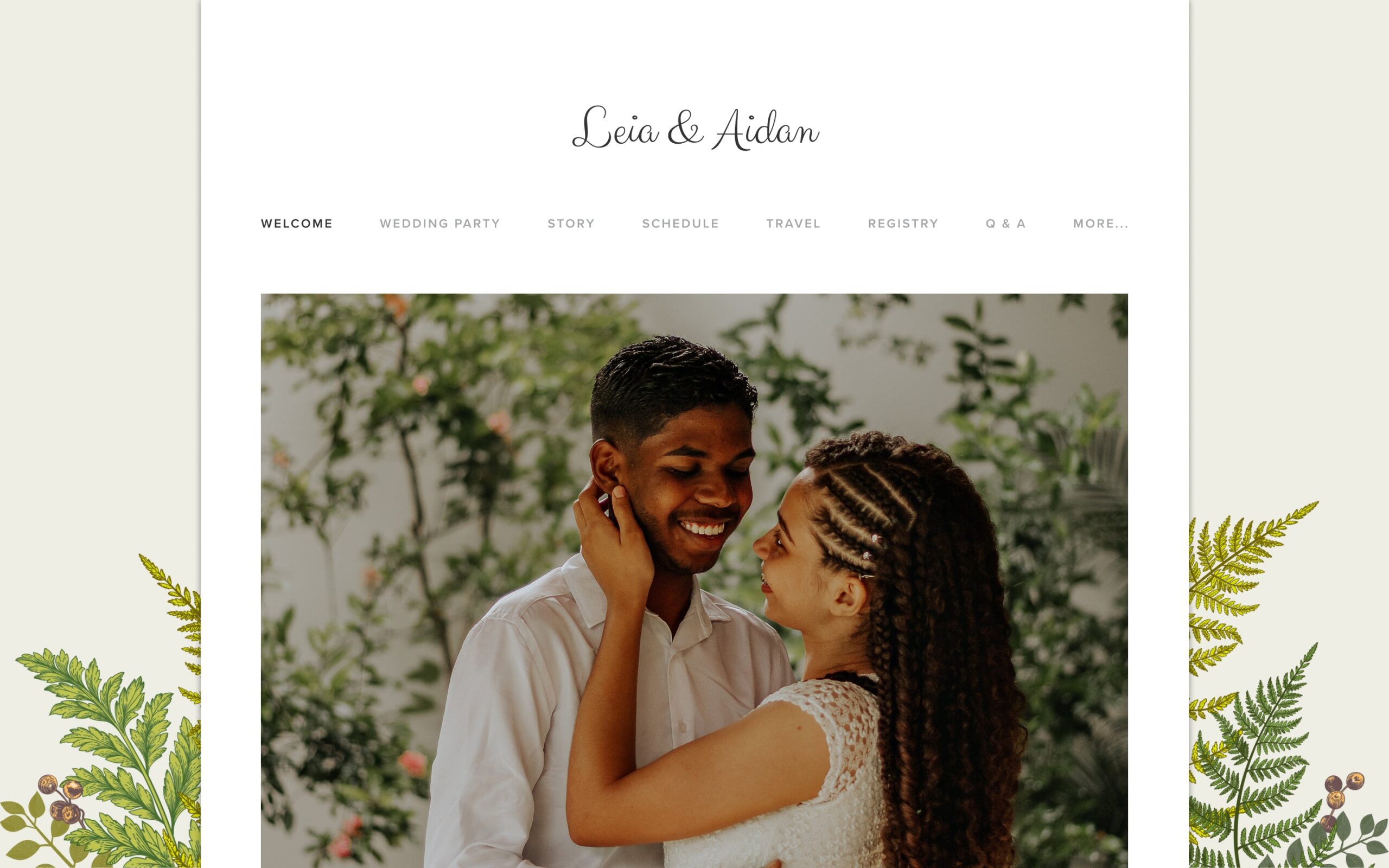
Vineyard and Countryside Motifs
Vineyard and farm-to-table weddings tend to favor warmer, earthier tones over cool greens, closer to the color of grapevines and harvest tables.
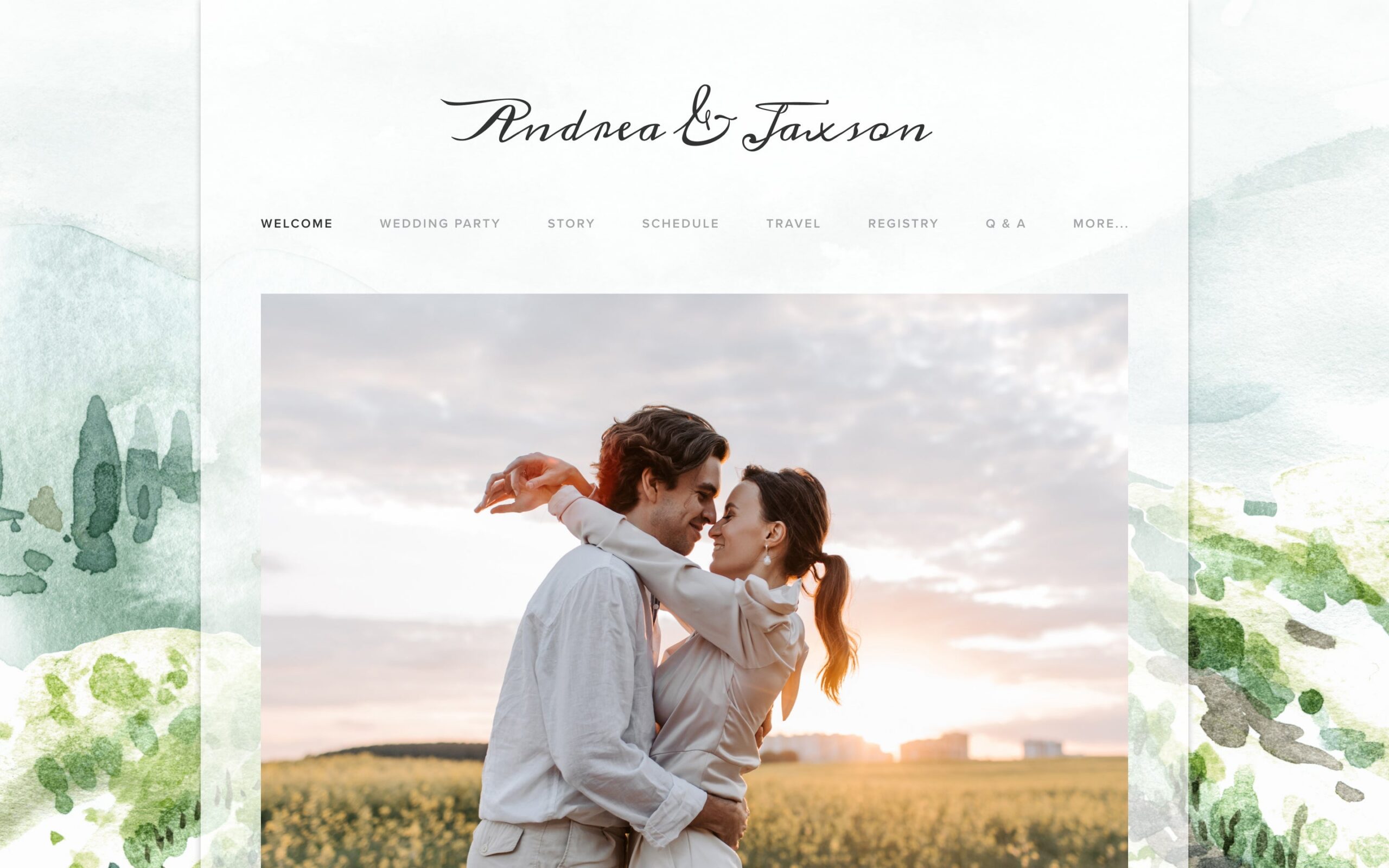
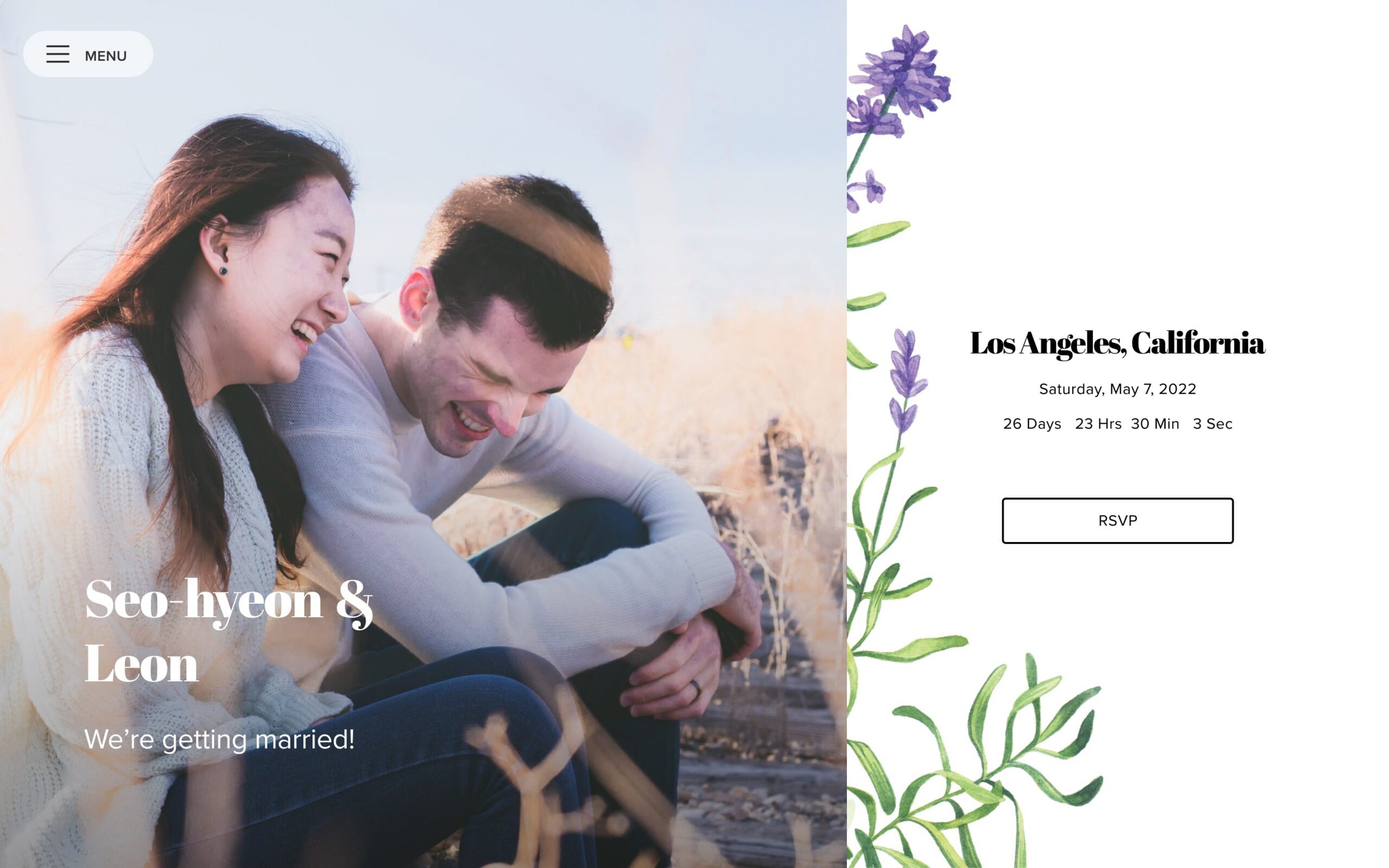
Modern Rustic and Elevated Botanical
Not every couple wants a full “country” look. These two designs mix rustic elements with cleaner lines or a metallic finish for a lighter touch.
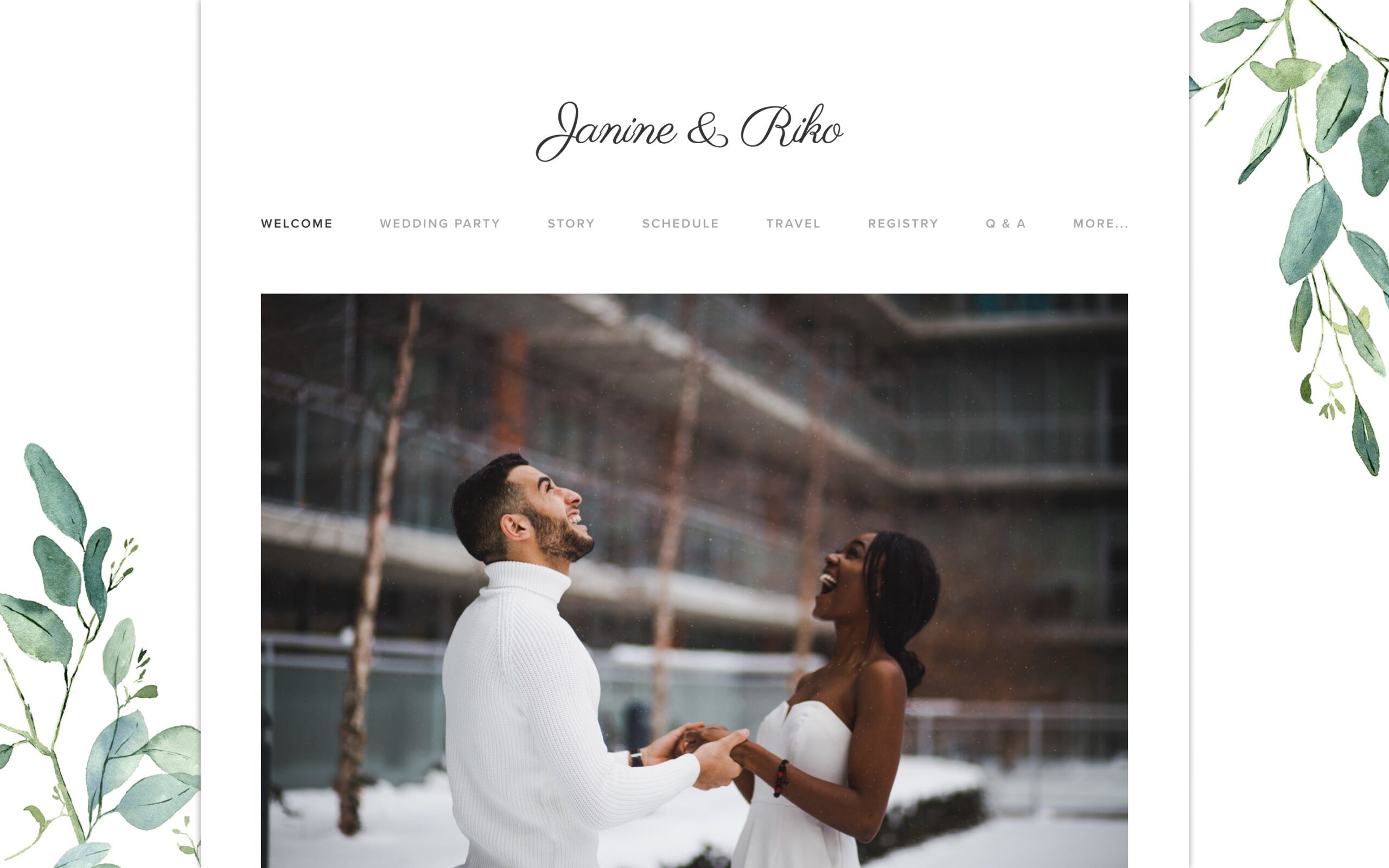
Lace and Delicate Accents
Lace works as a softening detail rather than a full motif on its own. It shows up most often as a border treatment or a monogram accent layered over a kraft or ivory base, which keeps a rustic suite from feeling too rugged for a formal ceremony. Couples who want this detail without losing the natural feel often pair a lace-bordered monogram with a kraft envelope, so the softness reads as a deliberate contrast rather than a mismatch.
Seasonal Rustic Variations
Rustic invitations shift noticeably by season, since the motif usually echoes what is actually growing or visible at the venue that time of year.
- Fall: Deep burgundy, burnt orange, and mustard tones paired with wheat, pinecone, or dried-leaf illustrations. Woodgrain backgrounds read especially well against these warmer colors.
- Winter: Birch branch illustrations, deep forest green, and cream. Winter rustic weddings held in a barn or lodge often add a subtle foil accent to offset the darker palette.
- Spring: Wildflower wreaths and sage green, timed to match a garden or orchard venue in bloom.
- Summer: Eucalyptus and lighter greenery, often on a kraft or ivory base, for vineyard and outdoor farm weddings.
Matching the season to the motif is optional, not required. Plenty of couples choose a year-round design, like Natural Greenery or Rustic Chic, specifically because it does not read as tied to one time of year.
Choosing a Rustic Style by Venue
Matching motif to venue keeps the whole suite feeling intentional rather than generic. Use this as a quick decision guide:
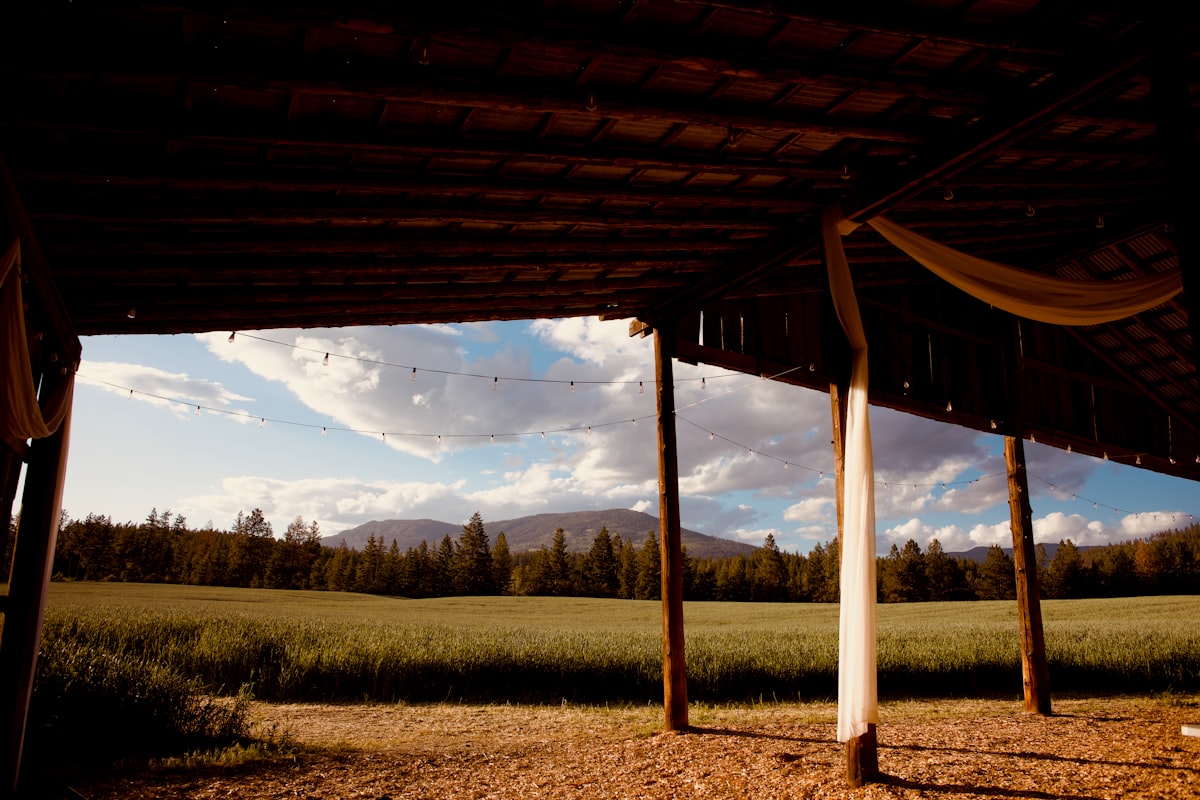
- Barn wedding: Woodgrain or wood-panel designs, paired with a kraft envelope, match reclaimed wood and exposed beams. This pairing also holds up well in photos taken under string lights or exposed bulb fixtures.
- Vineyard wedding: Vineyard and countryside motifs in warm, earthy tones reflect the harvest setting, and tend to look best alongside a menu card in the same palette.
- Mountain or forest wedding: Deep forest greens read better against pine and granite than lighter sage tones do, especially for an invitation that needs to stand out against a busy, tree-lined photo backdrop.
- Backyard or garden wedding: Eucalyptus wreaths or wildflower illustrations echo a planted, personal setting, and usually feel more at home than a heavier woodgrain design would.
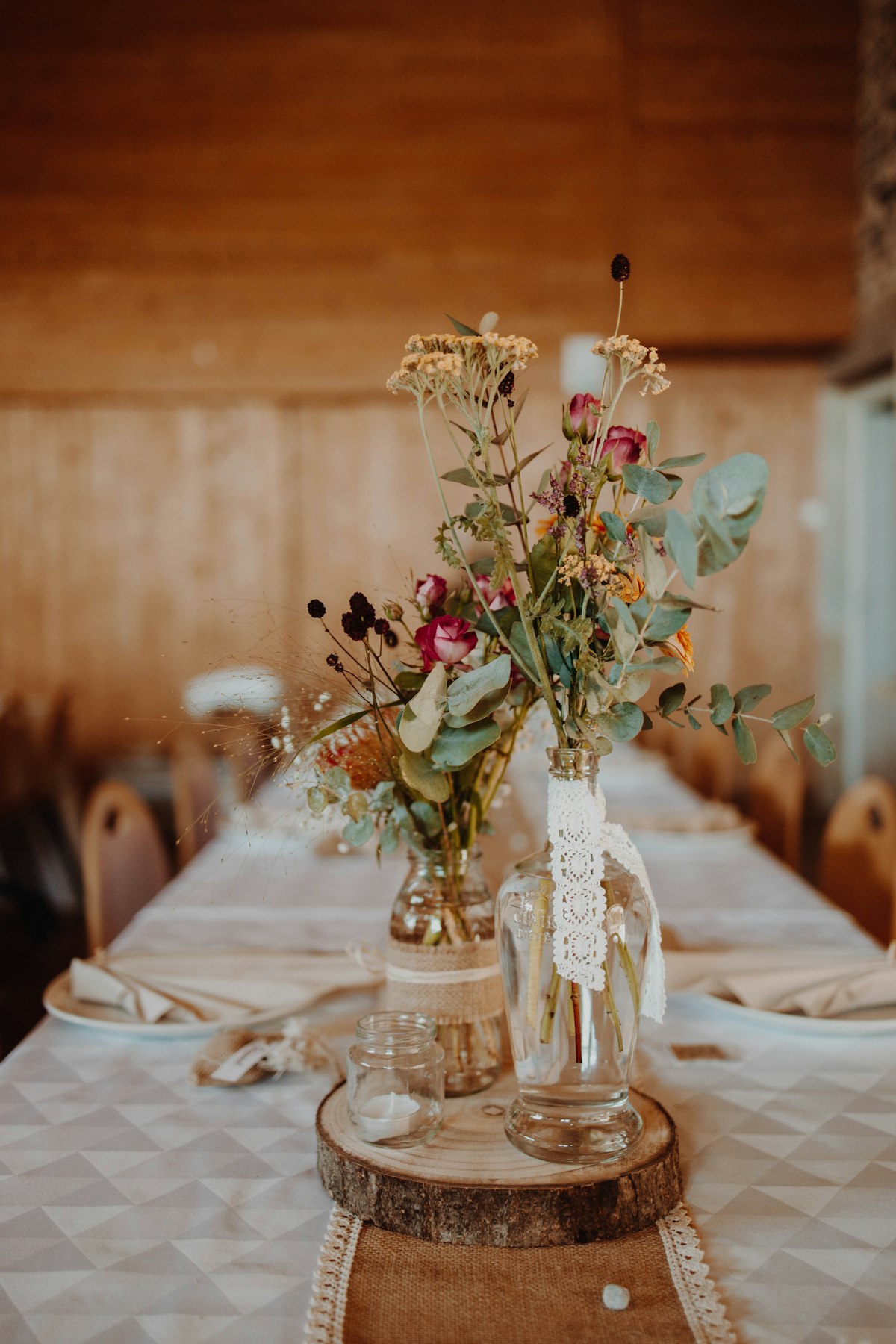
- Farm-to-table reception: Kraft paper textures keep the invitation consistent with a rustic tablescape and handwritten menu cards, particularly for a smaller, family-style dinner.
Wording Your Rustic Wedding Invitation
Rustic wording can run formal or casual. The venue and reception style usually decide which direction fits.
A more formal option, common for a vineyard or evening barn reception:
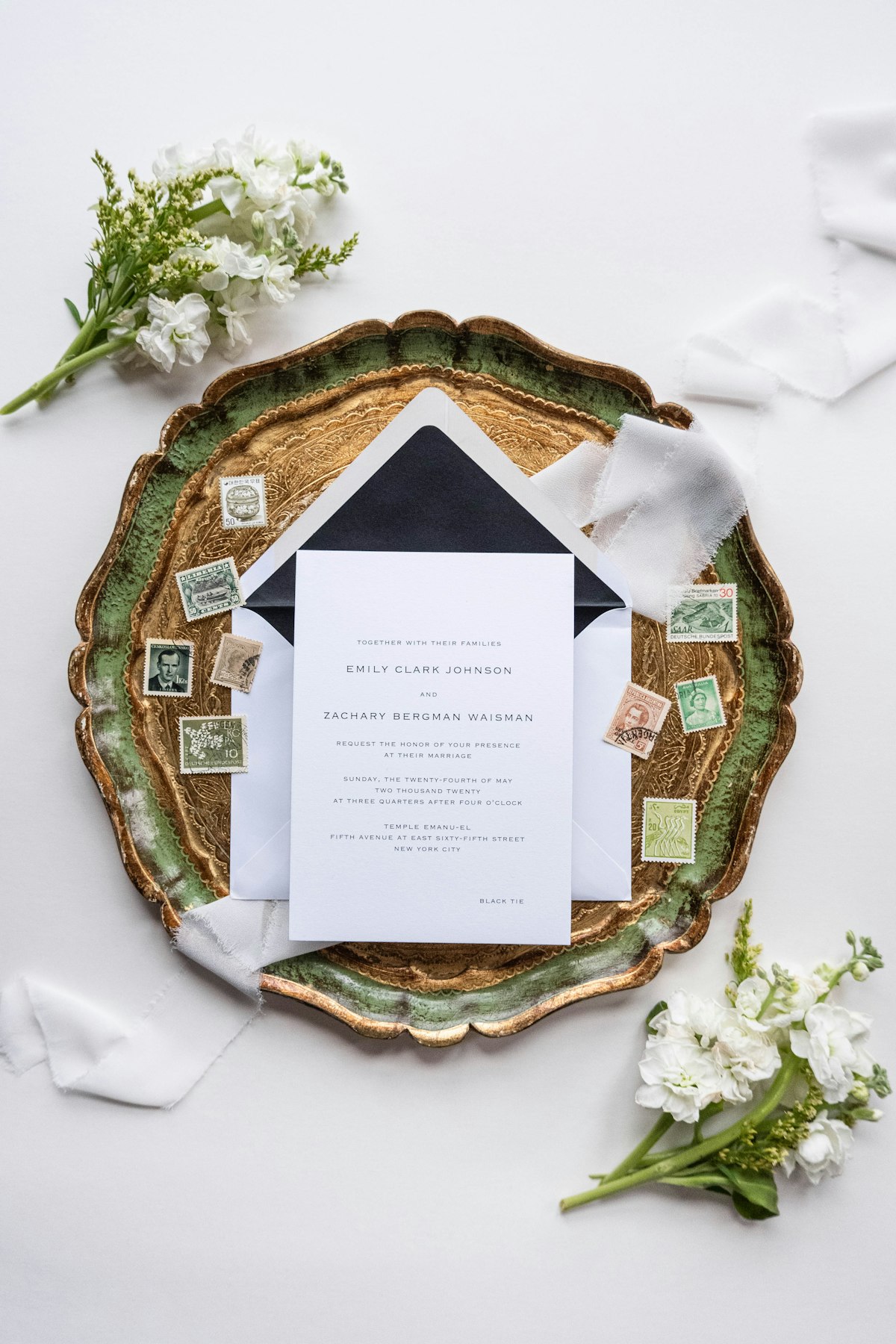
“Together with their families, [Name] and [Name] request the pleasure of your company at their marriage, on [Date], at [Venue].”
A casual option, common for a backyard or daytime farm wedding:
“[Name] and [Name] are tying the knot, and we would love for you to be there. Join us on [Date] at [Venue] for the celebration.”
A middle-ground option that many couples land on:
“[Name] and [Name] invite you to celebrate their wedding day, [Date], at [Venue]. Dinner, dancing, and good company to follow.”
Keep the wording consistent with the invitation’s visual formality. A foil-accented design reads oddly with very casual phrasing, and a plain kraft card can feel stiff with overly formal language. If the reception includes a specific detail worth flagging, such as a family-style dinner or an outdoor ceremony with a rain plan, a short line beneath the main wording is a natural place to add it.
How Much Do Rustic Wedding Invitations Cost?
Pricing varies by format. Digital designs are the most affordable option, often under a dollar per send, while printed suites with envelopes and RSVP cards cost more depending on paper stock and finishing.
| Format | Typical Cost Driver | Best For |
|---|---|---|
| Digital invitation | Design only, no shipping or printing | Fast turnaround, unlimited edits before sending |
| Printed, standard stock | Card stock plus a basic envelope | Traditional mail, moderate budget |
| Printed, kraft or textured stock | Specialty paper plus finishing | Couples wanting the tactile rustic feel in hand |
| Printed, foil or letterpress | Specialty printing process | An elevated rustic look for a formal reception |
A basic printed rustic invitation on standard card stock typically runs a few dollars per piece before shipping. Adding a kraft envelope liner, a wax seal, or foil detailing raises that price. A full print suite, including a save the date, invitation, RSVP card, and thank-you card, costs more than any single piece bought alone.
Digital rustic invitations keep the same woodgrain, greenery, or kraft-paper look as printed versions, at a fraction of the cost and with no shipping wait. One practical advantage of ordering through a platform built for editing: you can preview and adjust the wording, colors, and layout at no charge before you commit to a purchase, which is not something most print-only vendors offer.
Completing the Rustic Look
A rustic wedding invitation works best as part of a coordinated set. Save the dates, RSVP cards, and thank-you cards in a matching motif, such as Vineyard Vignette or Eucalyptus Wreath, keep every guest touchpoint visually consistent from the first announcement through the post-wedding thank-you note.
Save the dates usually go out six to eight months before the wedding, so choosing the motif early gives the rest of the suite time to fall into place. The RSVP card typically carries a simplified version of the main design, just enough to feel connected without repeating every detail. Thank-you cards can reuse the same woodgrain or greenery accent at a smaller scale, which keeps the final piece of correspondence feeling like part of the same story rather than an afterthought.
A wedding website in the same theme extends that consistency further. Guests move between the physical invitation and the online RSVP page, and matching visuals make that transition feel planned rather than mismatched. If you want to see how a rustic design translates across a full suite and a matching site theme, you can explore matching wedding website themes alongside the invitation collection.
For wording help beyond the examples above, a dedicated guide on wedding invitation wording covers more formal and informal phrasing options. If you are still deciding between paper and a fully digital approach, this comparison of a wedding website versus paper invitations lays out the tradeoffs. And for send timing, see the guide on when to send wedding invitations.
Before you commit to a print run, preview the whole suite. Pick a motif that matches your venue, adjust the wording and colors, and see exactly how the save the date, invitation, and RSVP card look together. You can do all of this for free by choosing a design in the rustic invitation collection and editing it before you pay for a single print.
Frequently Asked Questions
What is a rustic wedding invitation?
A rustic wedding invitation uses natural textures and imagery, such as woodgrain, kraft paper, greenery, or wildflowers, to reflect an outdoorsy, countryside wedding theme. It can look polished or handmade depending on the color palette and typography chosen.
What colors work best for rustic wedding invitations?
Sage green, tan, ivory, dusty blue, burgundy, and forest green are the most common choices. These tones echo the natural settings, like barns and vineyards, where rustic weddings usually happen.
Can rustic wedding invitations be sent digitally?
Yes. Digital rustic invitations keep the same woodgrain, greenery, or kraft-paper look as printed versions, and they let couples edit wording and colors before sending, at a lower cost and with faster turnaround.
How much do rustic wedding invitations usually cost?
Pricing varies by format. Digital designs are the most affordable option, often under a dollar per send, while printed suites with envelopes and RSVP cards cost more depending on paper stock and finishing.
How do I match my rustic invitations to my wedding website?
Choosing a coordinated design, such as a matching greenery or woodgrain theme, across the invitation and the wedding website keeps the look consistent from the first save the date through the day-of details.
Rustic wedding invitations flex from a polished vineyard suite in foil and ivory to a handmade kraft-paper card tied with twine. The style works because it takes its cues directly from the venue, whether that is a barn, a forest clearing, a vineyard row, or a backyard tent. Start with the venue, pick the motif that matches it, and build the rest of the suite, save the dates, RSVP cards, thank-you cards, and website, around that same look.
